The art of the chef and the appreciation of good food have been with us since time immemorial, as this work delightfully demonstrates. Dedicating the book to 'professors of culinary science in the United Kingdom', the anonymous author sets out to trace developments 'from the age of pounded acorns to the refinements of modern luxury'. The style is irresistibly extravagant, with vocabulary to match, introducing the reader to the concept of the 'theogastrophilist': one who makes his belly his god. This vividly enjoyable exploration of the pleasures of eating begins its account in ancient Greece,…mehr
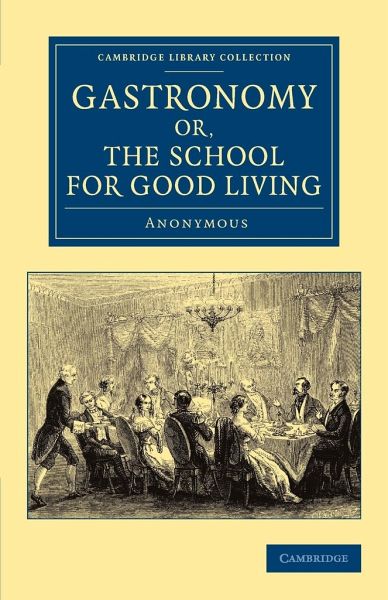
The art of the chef and the appreciation of good food have been with us since time immemorial, as this work delightfully demonstrates. Dedicating the book to 'professors of culinary science in the United Kingdom', the anonymous author sets out to trace developments 'from the age of pounded acorns to the refinements of modern luxury'. The style is irresistibly extravagant, with vocabulary to match, introducing the reader to the concept of the 'theogastrophilist': one who makes his belly his god. This vividly enjoyable exploration of the pleasures of eating begins its account in ancient Greece, and then embarks on a culinary journey through European history, featuring the fourteenth-century French cook Taillevent, the recipe collection Le viandier that was credited to him, and John Evelyn's 1699 vegetarian treatise Acetaria. Of universal appeal, the work was first published in 1814, and ran to a second edition in 1822, which is reissued here.
The author of The Mabinogion is unknown, as the stories were passed down through Welsh oral tradition before being recorded in medieval manuscripts. They were later preserved in the White Book of Rhydderch and the Red Book of Hergest, two 14th-century texts. Though the scribes remain unnamed, their work safeguarded Wales's rich mythological heritage.These tales draw from ancient Celtic mythology, heroic sagas, and supernatural folklore. They reflect the cultural and political landscape of early Wales, blending history with legend. While the original storytellers are lost to time, their influence endures.In the 19th century, Lady Charlotte Guest translated and popularized The Mabinogion, introducing it to a wider English-speaking audience. Her work helped establish the text as a foundational piece of medieval literature and revived interest in Welsh mythology. Thanks to her efforts and the nameless scribes before her, The Mabinogion continues to captivate readers and scholars alike, preserving the voice of a lost era.
Inhaltsangabe
Dedication Preface Glossary The school for good living.