
Andere Kunden interessierten sich auch für
 G T 3 the Unrealised Dream39,99 €
 Mail by Rail51,99 €
 London & North Eastern Railway 4-4-0 Tender Locomotives - North Eastern, North British, Great North of Scotland, L N E R46,99 €
 Diesel and Electric Motive Power on the Southern 1980s to Present32,99 €
 The Kent & East Sussex Railway, 1974-200439,99 €
 Paddington to Birkenhead32,99 €
 Railways in Devon and Cornwall in the Late 20th Century32,99 €







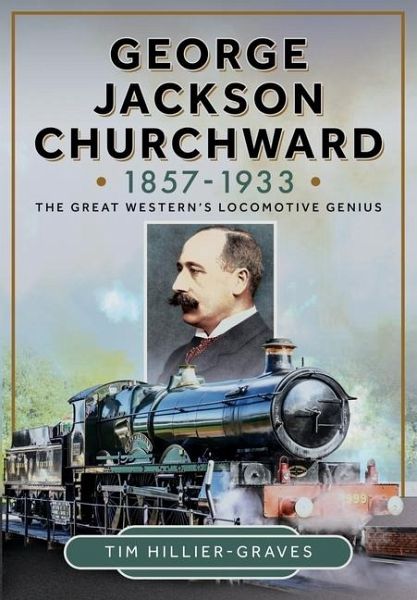
George Churchward is regarded by many, including the towering figures of Nigel Gresley, William Stanier and Andre Chapelon, as the most inventive, ingenious and successful steam locomotive designer there has ever been. When given the opportunity to comment these three exceptional engineers made their admiration for him and his many achievements a matter of historical fact. Now, a 100 or so years since Churchward retired from the GWR, his reputation is just as revered, as is the influence he had on the work of others. But, as with other notable figures, many details of his life and work have become mythologised or forgotten. So the time for an update and re-evaluation of his story is long overdue. In this richly illustrated book the author re-appraises Churchward's life and work and assesses this pivotal period in railway history. In so doing he considers the true extent of his achievements and effect of his work on the great railway engineers that followed and the effect his leadership had on the GWR as a whole and the organisation he controlled at a time of immense social and political change.