
Andere Kunden interessierten sich auch für
 Geschichtswissenschaft im 20. Jahrhundert23,00 €
 Ungeschehene Geschichte25,00 €
 Die Wahrheit der Historiker74,95 €
 Geschichte als Passion35,00 €
 Anekdote - Biographie - Kanon75,00 €
 Geschichte erklären35,00 €
 Geschichte in Zeiten der Unsicherheit29,00 €




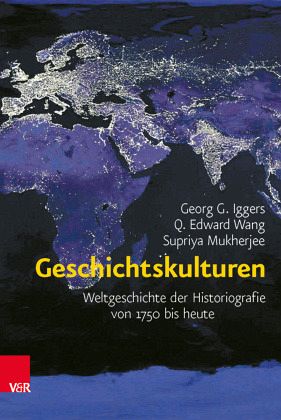
This is the first text on historiography to adopt a comparative, global perspective for the modern era looking not only at developments in the West but at other historiographical traditions in East Asia, India, the Middle East, Latin America, and Sub-Saharan Africa as well. Beginning in the late eighteenth century, the book examines the impact of Western ideas of history on historical writing elsewhere and their interaction with the local traditions in an age of imperialism and colonialism. The authors argue that Western ideas of history were nowhere directly adopted but were accommodated to long standing intellectual and cultural traditions facing the challenges of modernization in an increasingly global environment. The book follows these developments into the current period and discusses the criticisms of postmodernism and postcolonialism of the modern historical profession and the reactions and resonances of historians around the world today. Originally published in 2008, this is not a direct translation of the English edition but a careful revision and updating taking into account the discussions of recent years, With this in mind certain sections have been rewritten, particularly those dealing with global history, feminist and gender history, history and memory, Marxism, and Latin America.
Hinweis: Dieser Artikel kann nur an eine deutsche Lieferadresse ausgeliefert werden.
Hinweis: Dieser Artikel kann nur an eine deutsche Lieferadresse ausgeliefert werden.
Perlentaucher-Notiz zur F.A.Z.-Rezension
Für Andreas Eckert bleiben Wünsche offen bei dieser vor fünf Jahren im englischen Original erschienenen, jetzt überarbeitet und erweitert auf Deutsch vorliegenden Historiografiegeschichte. Was das Autorentrio Georg Iggers, Edward Wang und Supriya Mukherjee anstrebt, nämlich die Wechselwirkung zwischen Geschichtsschreibung und anderen gesellschaftlichen Aspekten sichtbar zu machen, gelingt laut Rezensent nur ansatzweise. Ebenso der avisierte Blick auf westliche und nichtwestliche Interaktion untereinander. Was Eckert bleibt, ist eine mit fundierten, konzisen, wenngleich Regionen recht ungleich gewichtenden Miniaturen garnierte enzyklopädische Studie für Einsteiger in die Globalisierungsgeschichte. Als solche durchaus informativ und verlässlich, meint der Rezensent.
© Perlentaucher Medien GmbH
© Perlentaucher Medien GmbH