

Andere Kunden interessierten sich auch für
 The Brain-Friendly Workplace18,99 €
 Brotopia12,99 €
 Women Money Power18,99 €
 Sidelined23,99 €
 Erasing Institutional Bias18,99 €
 Leadership Toolkit for Asians22,99 €
 Please Sit Over There26,99 €





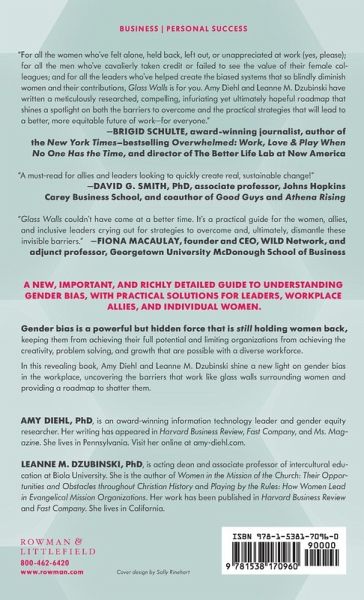
Focused on shifting workplace gender bias, Diehl and Dzubinski base organizational behavior on "equalist" concepts replacing the allegedly controversial "feminist." To support the work that creating gender-equitable environments demands, chapters are based on six clear types of gender bias and contain examples of that bias to illuminate the obstacles for even sheltered or reluctant leaders. An instance in the chapter on male privilege illuminates the two-person career structure most clearly witnessed in the expectations tied to first-lady- and clergy-spouse roles. The authors contribute to reader understanding, expanding the use of their work to make it actionable as they conclude each chapter with a segment outlining strategies to guide three types of team members—leaders, allies, self—in creating a sustainably equitable workplace. For example, in the "Devaluation" chapter, the assignment of office "housework" encourages the employee (self) to prepare and then speak up, providing alternatives to the situation. The practicality and clarity make this a valuable contribution to collections in academic and public libraries.