
- Broschiertes Buch
- Merkliste
- Auf die Merkliste
- Bewerten Bewerten
- Teilen
- Produkt teilen
- Produkterinnerung
- Produkterinnerung
A revolutionary title for and by the global community
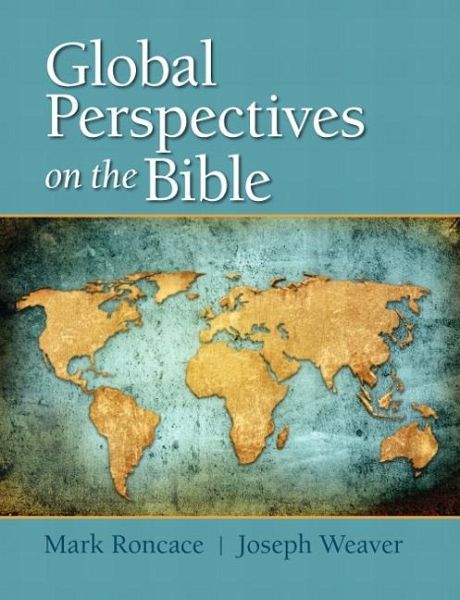
This exciting first edition of Global Perspectives on the Bible, edited by Mark Roncace and Joseph Weaver, collects writings from a variety of geographic, social, cultural, political, economic, and religious settings. The book features forty chapters, each comprised of four short, accessible essays on a specific biblical text. This design creates a focused, dynamic conversation of perspectives, which will in turn prompt engaging conversations in the classroom. Students will learn about themselves and their own particular context as they…mehr
Andere Kunden interessierten sich auch für
 Dwight N. HopkinsBlack Theology-Essays on Global Perspectives50,99 €
 Dwight N. HopkinsBlack Theology-Essays on Global Perspectives31,99 €
 Global Perspectives on Sports and Christianity177,99 €
 Johannes NissenNew Testament and Mission63,35 €
 Thomas SmythThe Unity of the Human Races Proved to Be the Doctrine of Scripture, Reason, and Science36,99 €
 Contemporary African Perspectives on the Bible113,99 €
 Carmen M CusackFish in the Bible59,99 €
-
-
-

A revolutionary title for and by the global community
This exciting first edition of Global Perspectives on the Bible, edited by Mark Roncace and Joseph Weaver, collects writings from a variety of geographic, social, cultural, political, economic, and religious settings. The book features forty chapters, each comprised of four short, accessible essays on a specific biblical text. This design creates a focused, dynamic conversation of perspectives, which will in turn prompt engaging conversations in the classroom. Students will learn about themselves and their own particular context as they explore the ideas and contexts of other biblical interpreters from around the globe.
In addition to presenting truly fresh interpretations of the Bible this is no predictable compendium of scholarly essays the book features discussion questions at the end of each chapter, as well as many additional questions in the Instructor s Resource Manual.
Learning Goals
Upon completing this book, readers will be able to:
Approach the Bible with a better understanding of how the text means different things to different people. Analyze and compare various interpretations of the Bible. Gain a new understanding of their own perspectives on the Bible.
--
ALERT: Before you purchase, check with your instructor or review your course syllabus to ensure that you select the correct ISBN. Several versions of Pearson's MyLab & Mastering products exist for each title, including customized versions for individual schools, and registrations are not transferable. In addition, you may need a CourseID, provided by your instructor, to register for and use Pearson's MyLab & Mastering products.
Packages
Access codes for Pearson's MyLab & Mastering products may not be included when purchasing or renting from companies other than Pearson; check with the seller before completing your purchase.
Used or rental books
If you rent or purchase a used book with an access code, the access code may have been redeemed previously and you may have to purchase a new access code.
Access codes
Access codes that are purchased from sellers other than Pearson carry a higher risk of being either the wrong ISBN or a previously redeemed code. Check with the seller prior to purchase.
This exciting first edition of Global Perspectives on the Bible, edited by Mark Roncace and Joseph Weaver, collects writings from a variety of geographic, social, cultural, political, economic, and religious settings. The book features forty chapters, each comprised of four short, accessible essays on a specific biblical text. This design creates a focused, dynamic conversation of perspectives, which will in turn prompt engaging conversations in the classroom. Students will learn about themselves and their own particular context as they explore the ideas and contexts of other biblical interpreters from around the globe.
In addition to presenting truly fresh interpretations of the Bible this is no predictable compendium of scholarly essays the book features discussion questions at the end of each chapter, as well as many additional questions in the Instructor s Resource Manual.
Learning Goals
Upon completing this book, readers will be able to:
Approach the Bible with a better understanding of how the text means different things to different people. Analyze and compare various interpretations of the Bible. Gain a new understanding of their own perspectives on the Bible.
--
ALERT: Before you purchase, check with your instructor or review your course syllabus to ensure that you select the correct ISBN. Several versions of Pearson's MyLab & Mastering products exist for each title, including customized versions for individual schools, and registrations are not transferable. In addition, you may need a CourseID, provided by your instructor, to register for and use Pearson's MyLab & Mastering products.
Packages
Access codes for Pearson's MyLab & Mastering products may not be included when purchasing or renting from companies other than Pearson; check with the seller before completing your purchase.
Used or rental books
If you rent or purchase a used book with an access code, the access code may have been redeemed previously and you may have to purchase a new access code.
Access codes
Access codes that are purchased from sellers other than Pearson carry a higher risk of being either the wrong ISBN or a previously redeemed code. Check with the seller prior to purchase.
Produktdetails
- Produktdetails
- Verlag: Pearson
- Seitenzahl: 384
- Erscheinungstermin: 26. Februar 2013
- Englisch
- Abmessung: 231mm x 175mm x 18mm
- Gewicht: 100g
- ISBN-13: 9780205865383
- ISBN-10: 0205865380
- Artikelnr.: 36723038
- Herstellerkennzeichnung
- Libri GmbH
- Europaallee 1
- 36244 Bad Hersfeld
- gpsr@libri.de
- Verlag: Pearson
- Seitenzahl: 384
- Erscheinungstermin: 26. Februar 2013
- Englisch
- Abmessung: 231mm x 175mm x 18mm
- Gewicht: 100g
- ISBN-13: 9780205865383
- ISBN-10: 0205865380
- Artikelnr.: 36723038
- Herstellerkennzeichnung
- Libri GmbH
- Europaallee 1
- 36244 Bad Hersfeld
- gpsr@libri.de
Mark Roncace (Ph.D. Emory University) is Associate Professor of Religion at Wingate University in Wingate, North Carolina, USA. He is the author of Jeremiah, Zedekiah, and The Fall of Jerusalem and the co-editor of Teaching the Bible: Practical Strategies for Classroom Instruction and Teaching the Bible Through Popular Culture and the Arts. Joseph Weaver completed a M.A. at Gordon-Conwell Theological Seminary. He is currently an instructor at Wingate University and is completing a Ph.D.
Brief Table of Contents
1. Text: Genesis 1-3
2. Text: Genesis 1-3
3. Text: Genesis 12-21
4. Text: Genesis 22
5. Text: Genesis 25-3
6. Text: Genesis 37-50
7. Text: Exodus 1-15
8. Text: Exodus 20
9. Text: Numbers 22-24, 32, 36
10. Text: Deuteronomy 6, 10, 16, 24
11. Text: Joshua 1-11
12. Text: 1 Samuel 16 - 2 Samuel 21
13. Text: Isaiah 40-55
14. Text: Ezekiel 1-24
15. Text: Jonah
16. Text: Micah 3 and 6
17. Text: Psalm 22, 23, 42, 148
18. Text: Psalm 137
19. Text: Proverbs 31
20. Text: Job
21. Text: Song of Songs
22. Text: Ruth
23. Text: Lamentations
24. Text: Ezra and Nehemiah
25. Text: Matthew 1-2; Luke 1-2
26. Text: Matthew 5-7; Luke 6
27. Text: Luke 10:25-37; Matthew 13:24-30; Matthew 25:1-13
28. Text: Matthew 20:1-16; Matthew 25:14-30; Matthew 13:33 and Luke
13:20-21; Matthew 13:1-23
29. Text: Luke 4:18-19; Matthew 15:4-9; Mark 12:38-44; Mark 7:24-30 and
Matthew 15:21-28
30. Text: Luke 20:20-26 and Matthew 22:15-22 and Mark 12:13-17; Matthew
3:10; Matthew 7:16-20; Matthew 12:33; Luke 13:6-9; Luke 18:18-30
31. Text: Matthew 9:27-30; Mark 4:35-5:1; Matthew 8:5-13
32. Text: John 1-10; 16
33. Text: Gospel of John
34. Text: Matthew 28, Mark 16, Luke 24, John 19-20
35. Text: Acts 2
36. Text: Romans
37. Text: Ephesians
38. Text: Philippians 2
39. Text: Revelation
40. Text: Revelation
Detailed Table of Contents
1. Genesis 1-3
o A Comparison of Chinese Creation Myths and Biblical Texts:
Sonia Kwok Wong (China)
o The Hindu Purusa-Sukta Compared to Biblical Texts: M. Aravind
Jeyakumar (India)
o The Concept of Human Community in African Creation Stories:
David T. Williams (South Africa)
o Six Differences between Two Creation Stories in Genesis: Meir
Bar-Ilan (Israel)
2. Genesis 1-3
o A Theistic Evolutionist Perspective on the Bible and Modern
Science: Patrick Gray (United States)
o A Literal Reading of Genesis 1: Keith Megilligan (United
States)
o Genesis and the Treatment of the Natural World: Jonathan
Merritt (United States)
o Animals and Our Relationship to Them as Outlined in Genesis:
Phillip Sherman (United States)
3. Genesis 12-21
o Parallels Between Life in India and Abraham's Trials: K.B.
Georgekutty (India)
o Raimundo Panikkar's Interpretation of Melchizedek in Genesis
14: Erik Ranstrom (United States)
o An "Ethnic Minority" Interpretation of Hagar and Ishmael:
Janice P. De-Whyte (Ghana and England):
o Sodom and Gomorrah in Light of the Sydney Gay and Lesbian Mardi
Gras: Roland Boer (Australia)
4. Genesis 22
o Genesis 22 and Conflict in the Modern-Day Middle East: Clare
Amos (Lebanon)
o A Comparison of Genesis 22 to the Qur'an: F. Volker
Greifenhagen (Canada)
o A Personal Reflection on the Sacrifice of a Son: Shira Salamone
(United States)
o Five Historical Explanations for Genesis 22 and its Inclusion
in the Scripture: Christo Lombaard (South Africa)
5. Genesis 25-33
o A Jewish Feminist Reflection on Rebekah: Arlette Poland (United
States):
o God's Treatment of Esau as it Relates to Theology and Doctrine:
Shirley Phelps-Roper (United States):
o Leah and the Challenges of Women in Polygynous Partnership:
Madipoane Masenya (South Africa):
o Jacob's Reconciliation with His Father and the Continuing Power
of the Bible:
o Clarence Mitchell (United States)
6. Genesis 37-50
o Forgiveness as a Central Theme of the Joseph Narrative: Eric A.
Seibert (United States)
o Joseph's Actions through a Modern Economic Lens: Wayne Tarrant
(United States)
o An LGBT Reading of Genesis 37-50: Mona West (United States)
o A Personal Conversation with Joseph: Francis G.H. Pang (Hong
Kong and Canada)
7. Exodus 1-15
o Two Aspects of Exodus through a Buddhist Lens: Vanessa R.
Sasson (Canada)
o A Comparison of the Divine Name with Kitaro Nishida's Concept
of God: Eiko Hanaokat (-Kawamura) (Japan)
o The Exodus Story as Historical Fiction: Megan Bishop Moore
(United States)
o A Liberationist Reading of the Exodus Story: Gilbert Lozano
(Brazil)
8. Exodus 20
o The Ten Commandments in an African-American Community: Febbie
C. Dickerson (United States)
o The Ten Commandments and the Separation of Church and State:
Jonathan Redding (United States)
o The Confucian Ideal of Honoring Parents While Also Honoring
God: Maggie Low (Singapore)
o Translating the Ten Commandments into the Native Language of
Greenland: Flemming A.J. Nielsen (Greenland)
9. Numbers 22-24, 32, 36
o The Balaam Story through a Pentecostal Lens: Lee Roy Martin
(United States)
o The Balaam Narrative as a Story about Temptation and
Protection: Tony Wing (United States
o Numbers 22-24 as a Justification for Overrunning Indigenous
Peoples: Roland Boer (Australia)
o Numbers in the Context of Western Colonization of the Islands
of Oceania: Jione Havea (Oceania)
10. Deuteronomy 6, 10, 16, 24
o Korean Celebrations of Culture Compared to Exhortations in
Deuteronomy: Heewon Chung (South Korea)
o Deuteronomy as Inspiration for Chinese Christians Living in
Indonesia: Andrea K. Iskandar (Indonesia)
o Deuteronomy as a Lesson on How to Treat the Oppressed:
Song-Chong Lee (Korea)
o Deuteronomy as a Blueprint for Social Justice: Santiago
Slabodsky (Argentina)
11. Joshua 1-11
o Understanding Joshua through Progressive Revelation: Michael
Penny (United Kingdom)
o Four Strategies for Reading Joshua Non-Violently: Eric A.
Seibert (United States)
o A Defense of God: Stanley V. Udd (United States)
o God as an Egotistical Deity: Maria Vlashchenko (Russia)
12. 1 Samuel 16-2 Samuel 21
o The David Stories as Sanctioning a Life of Reckless Abandon:
Seth Boulton (United States)
o Four Interpretations of the David-Jonathan Relationship: James
N. Pohlig (West Africa)
o The Woman of 2 Samuel 20 and Abigail as Peacemakers: Andreas
Kunz-Lubcke (Germany)
o The Inspiration of Rizpah's Courageous Helplessness: Valerie
Bridgeman (United States)
13. Isaiah 40-55
o Words of Hope for Contemporary Exiles in South and Central
America: Gilbert Lozano (Columbia, Brazil)
o Fear of the Future among Igorot Tribes of the Philippines: R.G.
dela Cruz (Philippines)
o Isaiah as Resistance Literature: Rubertha Taylor (United
States)
o The Myth of Baliraja Compared to the Servant Figure in Isaiah:
Rajkumar Boaz Johnson (India)
14. Ezekiel 1-24
o "Doom and Gloom" in Ezekiel and Today's News Networks: A
Comparison: John Fink (United States)
o God's Mistreatment of Female Jerusalem in Ezekiel 16: Aaron
Koller (United States)
o Ezekiel 16 as Hope and Warning for Orphans in Bulgaria:
Elizabeth A. Steger (Bulgaria)
o Ezekiel 18 in the Context of Shame Cultures and Guilt Cultures:
James N. Pohlig (West Africa)
15. Jonah
o Jonah as Missionary: Jonathan Seitz (Taiwan)
o A Tongan Island Reading of Jonah as Oriented Toward the Ocean:
Nasili Vaka'uta (New Zealand)
o Jonah and the Challenges and Contradictions of Buenos Aires:
Mariel Pons (Argentina)
o Jonah as a Book of Surprises and Reversals: Jione Havea
(Australia)
16. Micah 3 and 6
o Micah 3 as a Warning to Greedy Preachers in Korea: Hyung Won
Lee (Korea)
o A Jewish Lesbian Interpretation of Micah 6:8: Rebecca T. Alpert
(United States)
o Micah and Hope for Toronto's Poor: Shannon E. Baines (Canada)
o "The Image of Limited Good" in Relation to Micah: James N.
Pohlig (Nigeria, Mexico)
17. Psalm 22, 23, 42, 148
o Psalm 22 as an African Spell: Zacharias Kotzé (South Africa)
o A Christian Reading of Psalm 23 and West African Shepherds:
Danielle Smith (Senegal)
o Psalm 42 and Anorexia: Amy Lambert (United States)
o Psalm 148 and the Native American View of Animals: David
Aftandilian (United States
18. Psalm 137
o Psalm 137 and the Histories, Experiences, and Challenges of the
Bahamas: Fiona C. Black (Bahamas)
o "Rivers of Babylon" and the Torture of Detainees in Abu Ghraib:
Erin Runions (United States)
o The Violent Conclusion of Psalm 137 in Relation to 9/11: James
Mackay (United States)
o Righteousness and Hatred in Psalm 137: Maria Vlashchenko
(Russia)
19. Proverbs 31
o Aspiring to Be the Woman of Proverbs 31: Melanie Chitwood
(United States)
o Reading Proverbs 31 Suspiciously: Athalya Brenner (The
Netherlands, Israel)
o Pandita Ramabai's Translation and Use of Proverbs 31: Rajkumar
Boaz Johnson (India)
o "Praise of Lady Yum," Proverbs 31, and a Challenge to
Patriarchy: Heewon Chung (South Korea)
20. Job
o An African-South African Woman's Perspective on Job 3:
Madipoane Masenya (South Africa)
o Job 3 and 42 and Their Relation to People Living with HIV in
South Africa: Gerald West (South Africa)
o Job's Critique of a Theology of Prosperity in Latin America:
Gilbert Lozano (Brazil)
o The Troubling Theology of Job and its Place in Contemporary
Life: Jonathan Redding (United States)
21. Song of Songs
o A Comparison of the Song to Literature and Film in India:
Monica J. Melanchthon (India)
o Hearing the Song as a Secular Cultural Product: Athalya Brenner
(Israel)
o The Song as Jesus' Personal Love Notes: Lynn Cowell (United
States)
o The Song as a Censored Allegory: Roland Boer (Australia)
22. Ruth
o Ruth and the Plight of Foreign Female Workers in Modern-Day
Israel: Athalya Brenner (Israel)
o Ruth as a Successful Global Citizen, Migrant Worker, and
Marriage Migrant: Yani Yoo (Korea)
o Ruth's Relevance to the Same-Sex Marriage Debate: Comea M.
Walthall (United States)
o Ruth as the Ideal Surrogate Mother?: Francis G.H. Pang (Hong
Kong)
23. Lamentations
o The Three Voices of Lamentations and Korean Minjung Theology of
Han: Yeong Mee Lee (Korea)
o Lamentations and the Form and Function of Dalit Poetry: Monica
J. Melanchthon (India)
o The Theological Difficulties of God's Destruction of Jerusalem:
Ulrich Berges (Germany)
o The Depiction of Jerusalem As an Unprotected Widow: Naomi
Graetz (Israel)
24. Ezra and Nehemiah
o Asian North American Women and Ezra's Banishment of Foreign
Wives: Grace Ji-Sun Kim (United States)
o A Cuban Reflection on the Biblical Experience of Exile: Franco
Valdes (Cuba, United States)
o A Few Personal Thoughts on the Identity Crisis of Biblical
Exiles: Danielle Smith (Senegal, United States)
o The Complicated History of the Competition of Ezra and
Nehemiah: Juha Pakkala (Finland)
25. Matthew 1-2; Luke 1-2
o The Annunciation to Mary in the Qur'an: F. Volker Greifenhagen
(Canada)
o The Parallels and Differences Between the Birth Story of Lord
Lao and Jesus: Bede Benjamin Bidlack (United States)
o Herod's Slaughter of Children and Other Atrocities Throughout
Time: Nestor O. Miguez (Argentina)
o Reading Luke's Christmas Story with Those in Haiti: Kent Annan
(Haiti)
26. Matthew 5-7; Luke 6
o Comparing Buddhism's Noble Eightfold Path and Jesus'
Beatitudes: Elizabeth West (United Kingdom)
o The Beatitudes and the Accra Confession: Margaret Aymer (United
States)
o The Sermon on the Mount in Light of Wealthy Batak Christians in
Indonesia: Batara Sihombing (Indonesia)
o Reading Matthew 6 with Those in Impoverished Tanzania: Sakari
Hakkinen (Tanzania)
27. Luke 10:25-37; Matthew 13:24-30; Matthew 25:1-13
o The Parable of the Good Samaritan and Those in Need: James
Wiseman (United States)
o Frederick Douglass's Use of the Good Samaritan in Abolitionist
Rhetoric: Margaret Aymer (United States)
o The Parable of the Weeds and Wheat from the Perspective of
Korean Christianity: Eunjoo Mary Kim (Korea)
o A Comparison of Marriage Practices in India with the Parable of
the Ten Virgins: Surekha Nelavala (India)
28. Matthew 20:1-16; Matthew 25:14-30; Matthew 13:33 and Luke 13:20-21;
Matthew 13:1-23
o The Parable of the Laborers in the Vineyard and the Unemployed
in South Africa: Gerald West and Sithembiso Zwane (South
Africa)
o Reading the Parable of the Talents with First-Century
Palestinian Peasants and Those in India: David Joy (India)
o A Queer Reading of the Parable of the Leaven: Robert E.
Shore-Goss (United States)
o A Confucian Reading of the Parable of the Sower: Kurtis Hagen
(United States)
29. Luke 4:18-19; Matthew 15:4-9; Mark 12:38-44; Mark 7:24-30; Matthew
15:21-28
o Luke 4 and the African-American Bushwick Neighborhood in New
York: Josiah Young (United States)
o Honoring Your Parents and Ancestors: Andrea K. Iskandar (China)
o The Widow's Offering and Dalit Theology: Johnson Thomaskutty
(India)
o Personal Reflections on the "Hybrid" Identity of the Phoenician
Woman: Valarie Bridgeman (United States)
30. Luke 20:20-26; Matthew 22:15-22 and Mark 12:13-17; Matthew 3:10;
Matthew 7:16-20; Matthew 12:33; Luke 13:6-9; Luke 18:18-30
o “A Knife Behind a Smile” and the Interaction Between Jesus and
Jewish Leaders: Ken Chan (China)
o The Metaphor of the Fruit Tree and the Concept of Character:
Bjorn Stærk (Norway)
o Ukraine, the United States, and Jesus' Interaction with the
Rich Young Ruler: Vasyl Khokhla (Ukraine)
o The Rich Young Ruler's Imagined Self-Defense to a Contemporary
Church in Argentina: Nestor O. Miguez (Argentina)
31. Matthew 9:27-30; Mark 4:35-5: 1; Matthew 8:5-13
o The Trouble with "Blind Faith": Bjorn Staerk (Norway)
o Reading the "Calming of the Sea" with Those Living with HIV and
AIDS in South Africa: Gerald West and Bongi Zengele (South
Africa)
o A Comparison of Jesus' Miracles in the Qur'an and the Gospels:
F. Volker Greifenhagen (Canada)
o Four Observations about Jesus' Interaction with the Centurion:
Robert Jager (Slovakia)
32. John 1-10; 16
o The Image of the Good Shepherd as Inspiration for a Prison
Minister: Bilal Ansari (United States)
o Jesus and John the Baptist in the Context of a Group-Oriented
Society: Menghun Goh (Malaysia)
o A Mother's Perspective on the "Born Again" Theme and the
Birthing Metaphor: The: Beth M. Stovell (United States)
o Does God Really Love Everyone?: Shirley Phelps-Roper (United
States)
33. Gospel of John
o An Ecological Reading of John 1 and Jesus as Gardener in His
Encounter with Mary: Robert E. Shore-Goss (United States)
o The Image of the Vine Against the Backdrop of Serbian Agrarian
Culture: G. Kevin Steger (Serbia)
o An Inclusivist Interpretation of John 14:6 through a Baha'i
Lens: Michael Sours (United States
o The Maori concept of Mana as a Vehicle for Understanding Doxa
in John: Derek Tovey (New Zealand)
34. Matthew 28, Mark 16, Luke 24, John 19-20
o Questioning the Historicity of the Resurrection Narratives:
Oyvind Strommen (Norway)
o Jesus' Post-Resurrection Meal Through the Lens of Filipino
Hospitality: Marilou S. Ibita (Philippines)
o A Dalit Indian Reading of John's Crucifixion and Resurrection
Narrative: Joseph Prabhakar Dayam (India)
o A Queer Reading of the Emmaus Story in Luke 24: Robert E.
Shore-Goss (United States)
35. Acts 2
o Pentecost's Diverse Languages from the View of Immigrant
Communities: Margaret Aymer (United States)
o The Influence of Acts 2 on Revolutionary Christian Movements in
the Black Diaspora: Joseph L. Tucker Edmonds (United States)
o The Unification Theme of Acts 2 in View of South Africa's
Experience with Apartheid: David T. Williams (South Africa)
o Five Thoughts on Acts 2 Relating to Theology and Practice in
the Pentecostal Movement: Lee Roy Martin (United States)
36. Romans
o Anti-Judaism As a Result of Misreading of Paul's Theology in
Romans: Fritz Voll (Canada)
o Paul's Inclusion of the Gentiles as an Opening for
non-Christian Traditions: Erik Ranstrom (United States)
o Paul's Identity Against the Backdrop of the People of Hong
Kong: Xiaxia (Esther) Xue (Hong Kong)
o New Zealand's Ethnic and Cultural Diversity and Paul's Vision
of Community: George Wieland (New Zealand)
37. Ephesians
o A Call for Koreans to Practice Right Relationships with God and
Each Other: Johann D. Kim (Korea)
o Ephesians 6:12 in an Ethiopian Context: Rich Hansen (Ethiopia)
o The Supernatural in Ephesians and a Critique of Scientific
Rationalism: J. Ayodeji Adewuya (United States/United Kingdom)
o Comparing Ephesians and the Confucian Vision of Peace: Te-Li
Lau (United States)
38. Philippians 2
o How to Read "Jesus Exalted Above All Others" in the Context of
Inter-Religious Dialogue: Nicholas Alan Worssam (United
Kingdom)
o A Comparison of the Cosmic Being of Hinduism and the Christ of
2:6-8: John Shearer (United States)
o A Baha'i Perspective on the Humility of Christ: Daniel Grolin
(Denmark)
o Jesus' Humility and Selflessness in Opposition to Today's
Self-Centeredness: Paula Roberts (United States)
39. Revelation
o The Construction of Gender in Revelation: Shanell T. Smith
(United States)
o A Goth Reading of Revelation 19-21: Beth M. Stovell (United
States)
o Revelation As a Warming to Contemporary Churches: Brent Roper
(United States)
o A Literal Reading of Revelation: Chris Griffin (United States)
40. Revelation
o Interpreting Revelation in Largely Illiterate Churches in
Africa: Onesimus A. Ngundu (Africa)
o Ukraine and the Vision of Utopia in Revelation: Vasyl Khokhla
(Ukraine)
o A Critique of the Typical Interpretation of Revelation in
Haiti: Ronald Charles (Haiti)
o The “Lukewarm” Church of Laodicea and Morally Inconsistent
Christians in the Philippines: R. G. dela Cruz (Philippines)
1. Text: Genesis 1-3
2. Text: Genesis 1-3
3. Text: Genesis 12-21
4. Text: Genesis 22
5. Text: Genesis 25-3
6. Text: Genesis 37-50
7. Text: Exodus 1-15
8. Text: Exodus 20
9. Text: Numbers 22-24, 32, 36
10. Text: Deuteronomy 6, 10, 16, 24
11. Text: Joshua 1-11
12. Text: 1 Samuel 16 - 2 Samuel 21
13. Text: Isaiah 40-55
14. Text: Ezekiel 1-24
15. Text: Jonah
16. Text: Micah 3 and 6
17. Text: Psalm 22, 23, 42, 148
18. Text: Psalm 137
19. Text: Proverbs 31
20. Text: Job
21. Text: Song of Songs
22. Text: Ruth
23. Text: Lamentations
24. Text: Ezra and Nehemiah
25. Text: Matthew 1-2; Luke 1-2
26. Text: Matthew 5-7; Luke 6
27. Text: Luke 10:25-37; Matthew 13:24-30; Matthew 25:1-13
28. Text: Matthew 20:1-16; Matthew 25:14-30; Matthew 13:33 and Luke
13:20-21; Matthew 13:1-23
29. Text: Luke 4:18-19; Matthew 15:4-9; Mark 12:38-44; Mark 7:24-30 and
Matthew 15:21-28
30. Text: Luke 20:20-26 and Matthew 22:15-22 and Mark 12:13-17; Matthew
3:10; Matthew 7:16-20; Matthew 12:33; Luke 13:6-9; Luke 18:18-30
31. Text: Matthew 9:27-30; Mark 4:35-5:1; Matthew 8:5-13
32. Text: John 1-10; 16
33. Text: Gospel of John
34. Text: Matthew 28, Mark 16, Luke 24, John 19-20
35. Text: Acts 2
36. Text: Romans
37. Text: Ephesians
38. Text: Philippians 2
39. Text: Revelation
40. Text: Revelation
Detailed Table of Contents
1. Genesis 1-3
o A Comparison of Chinese Creation Myths and Biblical Texts:
Sonia Kwok Wong (China)
o The Hindu Purusa-Sukta Compared to Biblical Texts: M. Aravind
Jeyakumar (India)
o The Concept of Human Community in African Creation Stories:
David T. Williams (South Africa)
o Six Differences between Two Creation Stories in Genesis: Meir
Bar-Ilan (Israel)
2. Genesis 1-3
o A Theistic Evolutionist Perspective on the Bible and Modern
Science: Patrick Gray (United States)
o A Literal Reading of Genesis 1: Keith Megilligan (United
States)
o Genesis and the Treatment of the Natural World: Jonathan
Merritt (United States)
o Animals and Our Relationship to Them as Outlined in Genesis:
Phillip Sherman (United States)
3. Genesis 12-21
o Parallels Between Life in India and Abraham's Trials: K.B.
Georgekutty (India)
o Raimundo Panikkar's Interpretation of Melchizedek in Genesis
14: Erik Ranstrom (United States)
o An "Ethnic Minority" Interpretation of Hagar and Ishmael:
Janice P. De-Whyte (Ghana and England):
o Sodom and Gomorrah in Light of the Sydney Gay and Lesbian Mardi
Gras: Roland Boer (Australia)
4. Genesis 22
o Genesis 22 and Conflict in the Modern-Day Middle East: Clare
Amos (Lebanon)
o A Comparison of Genesis 22 to the Qur'an: F. Volker
Greifenhagen (Canada)
o A Personal Reflection on the Sacrifice of a Son: Shira Salamone
(United States)
o Five Historical Explanations for Genesis 22 and its Inclusion
in the Scripture: Christo Lombaard (South Africa)
5. Genesis 25-33
o A Jewish Feminist Reflection on Rebekah: Arlette Poland (United
States):
o God's Treatment of Esau as it Relates to Theology and Doctrine:
Shirley Phelps-Roper (United States):
o Leah and the Challenges of Women in Polygynous Partnership:
Madipoane Masenya (South Africa):
o Jacob's Reconciliation with His Father and the Continuing Power
of the Bible:
o Clarence Mitchell (United States)
6. Genesis 37-50
o Forgiveness as a Central Theme of the Joseph Narrative: Eric A.
Seibert (United States)
o Joseph's Actions through a Modern Economic Lens: Wayne Tarrant
(United States)
o An LGBT Reading of Genesis 37-50: Mona West (United States)
o A Personal Conversation with Joseph: Francis G.H. Pang (Hong
Kong and Canada)
7. Exodus 1-15
o Two Aspects of Exodus through a Buddhist Lens: Vanessa R.
Sasson (Canada)
o A Comparison of the Divine Name with Kitaro Nishida's Concept
of God: Eiko Hanaokat (-Kawamura) (Japan)
o The Exodus Story as Historical Fiction: Megan Bishop Moore
(United States)
o A Liberationist Reading of the Exodus Story: Gilbert Lozano
(Brazil)
8. Exodus 20
o The Ten Commandments in an African-American Community: Febbie
C. Dickerson (United States)
o The Ten Commandments and the Separation of Church and State:
Jonathan Redding (United States)
o The Confucian Ideal of Honoring Parents While Also Honoring
God: Maggie Low (Singapore)
o Translating the Ten Commandments into the Native Language of
Greenland: Flemming A.J. Nielsen (Greenland)
9. Numbers 22-24, 32, 36
o The Balaam Story through a Pentecostal Lens: Lee Roy Martin
(United States)
o The Balaam Narrative as a Story about Temptation and
Protection: Tony Wing (United States
o Numbers 22-24 as a Justification for Overrunning Indigenous
Peoples: Roland Boer (Australia)
o Numbers in the Context of Western Colonization of the Islands
of Oceania: Jione Havea (Oceania)
10. Deuteronomy 6, 10, 16, 24
o Korean Celebrations of Culture Compared to Exhortations in
Deuteronomy: Heewon Chung (South Korea)
o Deuteronomy as Inspiration for Chinese Christians Living in
Indonesia: Andrea K. Iskandar (Indonesia)
o Deuteronomy as a Lesson on How to Treat the Oppressed:
Song-Chong Lee (Korea)
o Deuteronomy as a Blueprint for Social Justice: Santiago
Slabodsky (Argentina)
11. Joshua 1-11
o Understanding Joshua through Progressive Revelation: Michael
Penny (United Kingdom)
o Four Strategies for Reading Joshua Non-Violently: Eric A.
Seibert (United States)
o A Defense of God: Stanley V. Udd (United States)
o God as an Egotistical Deity: Maria Vlashchenko (Russia)
12. 1 Samuel 16-2 Samuel 21
o The David Stories as Sanctioning a Life of Reckless Abandon:
Seth Boulton (United States)
o Four Interpretations of the David-Jonathan Relationship: James
N. Pohlig (West Africa)
o The Woman of 2 Samuel 20 and Abigail as Peacemakers: Andreas
Kunz-Lubcke (Germany)
o The Inspiration of Rizpah's Courageous Helplessness: Valerie
Bridgeman (United States)
13. Isaiah 40-55
o Words of Hope for Contemporary Exiles in South and Central
America: Gilbert Lozano (Columbia, Brazil)
o Fear of the Future among Igorot Tribes of the Philippines: R.G.
dela Cruz (Philippines)
o Isaiah as Resistance Literature: Rubertha Taylor (United
States)
o The Myth of Baliraja Compared to the Servant Figure in Isaiah:
Rajkumar Boaz Johnson (India)
14. Ezekiel 1-24
o "Doom and Gloom" in Ezekiel and Today's News Networks: A
Comparison: John Fink (United States)
o God's Mistreatment of Female Jerusalem in Ezekiel 16: Aaron
Koller (United States)
o Ezekiel 16 as Hope and Warning for Orphans in Bulgaria:
Elizabeth A. Steger (Bulgaria)
o Ezekiel 18 in the Context of Shame Cultures and Guilt Cultures:
James N. Pohlig (West Africa)
15. Jonah
o Jonah as Missionary: Jonathan Seitz (Taiwan)
o A Tongan Island Reading of Jonah as Oriented Toward the Ocean:
Nasili Vaka'uta (New Zealand)
o Jonah and the Challenges and Contradictions of Buenos Aires:
Mariel Pons (Argentina)
o Jonah as a Book of Surprises and Reversals: Jione Havea
(Australia)
16. Micah 3 and 6
o Micah 3 as a Warning to Greedy Preachers in Korea: Hyung Won
Lee (Korea)
o A Jewish Lesbian Interpretation of Micah 6:8: Rebecca T. Alpert
(United States)
o Micah and Hope for Toronto's Poor: Shannon E. Baines (Canada)
o "The Image of Limited Good" in Relation to Micah: James N.
Pohlig (Nigeria, Mexico)
17. Psalm 22, 23, 42, 148
o Psalm 22 as an African Spell: Zacharias Kotzé (South Africa)
o A Christian Reading of Psalm 23 and West African Shepherds:
Danielle Smith (Senegal)
o Psalm 42 and Anorexia: Amy Lambert (United States)
o Psalm 148 and the Native American View of Animals: David
Aftandilian (United States
18. Psalm 137
o Psalm 137 and the Histories, Experiences, and Challenges of the
Bahamas: Fiona C. Black (Bahamas)
o "Rivers of Babylon" and the Torture of Detainees in Abu Ghraib:
Erin Runions (United States)
o The Violent Conclusion of Psalm 137 in Relation to 9/11: James
Mackay (United States)
o Righteousness and Hatred in Psalm 137: Maria Vlashchenko
(Russia)
19. Proverbs 31
o Aspiring to Be the Woman of Proverbs 31: Melanie Chitwood
(United States)
o Reading Proverbs 31 Suspiciously: Athalya Brenner (The
Netherlands, Israel)
o Pandita Ramabai's Translation and Use of Proverbs 31: Rajkumar
Boaz Johnson (India)
o "Praise of Lady Yum," Proverbs 31, and a Challenge to
Patriarchy: Heewon Chung (South Korea)
20. Job
o An African-South African Woman's Perspective on Job 3:
Madipoane Masenya (South Africa)
o Job 3 and 42 and Their Relation to People Living with HIV in
South Africa: Gerald West (South Africa)
o Job's Critique of a Theology of Prosperity in Latin America:
Gilbert Lozano (Brazil)
o The Troubling Theology of Job and its Place in Contemporary
Life: Jonathan Redding (United States)
21. Song of Songs
o A Comparison of the Song to Literature and Film in India:
Monica J. Melanchthon (India)
o Hearing the Song as a Secular Cultural Product: Athalya Brenner
(Israel)
o The Song as Jesus' Personal Love Notes: Lynn Cowell (United
States)
o The Song as a Censored Allegory: Roland Boer (Australia)
22. Ruth
o Ruth and the Plight of Foreign Female Workers in Modern-Day
Israel: Athalya Brenner (Israel)
o Ruth as a Successful Global Citizen, Migrant Worker, and
Marriage Migrant: Yani Yoo (Korea)
o Ruth's Relevance to the Same-Sex Marriage Debate: Comea M.
Walthall (United States)
o Ruth as the Ideal Surrogate Mother?: Francis G.H. Pang (Hong
Kong)
23. Lamentations
o The Three Voices of Lamentations and Korean Minjung Theology of
Han: Yeong Mee Lee (Korea)
o Lamentations and the Form and Function of Dalit Poetry: Monica
J. Melanchthon (India)
o The Theological Difficulties of God's Destruction of Jerusalem:
Ulrich Berges (Germany)
o The Depiction of Jerusalem As an Unprotected Widow: Naomi
Graetz (Israel)
24. Ezra and Nehemiah
o Asian North American Women and Ezra's Banishment of Foreign
Wives: Grace Ji-Sun Kim (United States)
o A Cuban Reflection on the Biblical Experience of Exile: Franco
Valdes (Cuba, United States)
o A Few Personal Thoughts on the Identity Crisis of Biblical
Exiles: Danielle Smith (Senegal, United States)
o The Complicated History of the Competition of Ezra and
Nehemiah: Juha Pakkala (Finland)
25. Matthew 1-2; Luke 1-2
o The Annunciation to Mary in the Qur'an: F. Volker Greifenhagen
(Canada)
o The Parallels and Differences Between the Birth Story of Lord
Lao and Jesus: Bede Benjamin Bidlack (United States)
o Herod's Slaughter of Children and Other Atrocities Throughout
Time: Nestor O. Miguez (Argentina)
o Reading Luke's Christmas Story with Those in Haiti: Kent Annan
(Haiti)
26. Matthew 5-7; Luke 6
o Comparing Buddhism's Noble Eightfold Path and Jesus'
Beatitudes: Elizabeth West (United Kingdom)
o The Beatitudes and the Accra Confession: Margaret Aymer (United
States)
o The Sermon on the Mount in Light of Wealthy Batak Christians in
Indonesia: Batara Sihombing (Indonesia)
o Reading Matthew 6 with Those in Impoverished Tanzania: Sakari
Hakkinen (Tanzania)
27. Luke 10:25-37; Matthew 13:24-30; Matthew 25:1-13
o The Parable of the Good Samaritan and Those in Need: James
Wiseman (United States)
o Frederick Douglass's Use of the Good Samaritan in Abolitionist
Rhetoric: Margaret Aymer (United States)
o The Parable of the Weeds and Wheat from the Perspective of
Korean Christianity: Eunjoo Mary Kim (Korea)
o A Comparison of Marriage Practices in India with the Parable of
the Ten Virgins: Surekha Nelavala (India)
28. Matthew 20:1-16; Matthew 25:14-30; Matthew 13:33 and Luke 13:20-21;
Matthew 13:1-23
o The Parable of the Laborers in the Vineyard and the Unemployed
in South Africa: Gerald West and Sithembiso Zwane (South
Africa)
o Reading the Parable of the Talents with First-Century
Palestinian Peasants and Those in India: David Joy (India)
o A Queer Reading of the Parable of the Leaven: Robert E.
Shore-Goss (United States)
o A Confucian Reading of the Parable of the Sower: Kurtis Hagen
(United States)
29. Luke 4:18-19; Matthew 15:4-9; Mark 12:38-44; Mark 7:24-30; Matthew
15:21-28
o Luke 4 and the African-American Bushwick Neighborhood in New
York: Josiah Young (United States)
o Honoring Your Parents and Ancestors: Andrea K. Iskandar (China)
o The Widow's Offering and Dalit Theology: Johnson Thomaskutty
(India)
o Personal Reflections on the "Hybrid" Identity of the Phoenician
Woman: Valarie Bridgeman (United States)
30. Luke 20:20-26; Matthew 22:15-22 and Mark 12:13-17; Matthew 3:10;
Matthew 7:16-20; Matthew 12:33; Luke 13:6-9; Luke 18:18-30
o “A Knife Behind a Smile” and the Interaction Between Jesus and
Jewish Leaders: Ken Chan (China)
o The Metaphor of the Fruit Tree and the Concept of Character:
Bjorn Stærk (Norway)
o Ukraine, the United States, and Jesus' Interaction with the
Rich Young Ruler: Vasyl Khokhla (Ukraine)
o The Rich Young Ruler's Imagined Self-Defense to a Contemporary
Church in Argentina: Nestor O. Miguez (Argentina)
31. Matthew 9:27-30; Mark 4:35-5: 1; Matthew 8:5-13
o The Trouble with "Blind Faith": Bjorn Staerk (Norway)
o Reading the "Calming of the Sea" with Those Living with HIV and
AIDS in South Africa: Gerald West and Bongi Zengele (South
Africa)
o A Comparison of Jesus' Miracles in the Qur'an and the Gospels:
F. Volker Greifenhagen (Canada)
o Four Observations about Jesus' Interaction with the Centurion:
Robert Jager (Slovakia)
32. John 1-10; 16
o The Image of the Good Shepherd as Inspiration for a Prison
Minister: Bilal Ansari (United States)
o Jesus and John the Baptist in the Context of a Group-Oriented
Society: Menghun Goh (Malaysia)
o A Mother's Perspective on the "Born Again" Theme and the
Birthing Metaphor: The: Beth M. Stovell (United States)
o Does God Really Love Everyone?: Shirley Phelps-Roper (United
States)
33. Gospel of John
o An Ecological Reading of John 1 and Jesus as Gardener in His
Encounter with Mary: Robert E. Shore-Goss (United States)
o The Image of the Vine Against the Backdrop of Serbian Agrarian
Culture: G. Kevin Steger (Serbia)
o An Inclusivist Interpretation of John 14:6 through a Baha'i
Lens: Michael Sours (United States
o The Maori concept of Mana as a Vehicle for Understanding Doxa
in John: Derek Tovey (New Zealand)
34. Matthew 28, Mark 16, Luke 24, John 19-20
o Questioning the Historicity of the Resurrection Narratives:
Oyvind Strommen (Norway)
o Jesus' Post-Resurrection Meal Through the Lens of Filipino
Hospitality: Marilou S. Ibita (Philippines)
o A Dalit Indian Reading of John's Crucifixion and Resurrection
Narrative: Joseph Prabhakar Dayam (India)
o A Queer Reading of the Emmaus Story in Luke 24: Robert E.
Shore-Goss (United States)
35. Acts 2
o Pentecost's Diverse Languages from the View of Immigrant
Communities: Margaret Aymer (United States)
o The Influence of Acts 2 on Revolutionary Christian Movements in
the Black Diaspora: Joseph L. Tucker Edmonds (United States)
o The Unification Theme of Acts 2 in View of South Africa's
Experience with Apartheid: David T. Williams (South Africa)
o Five Thoughts on Acts 2 Relating to Theology and Practice in
the Pentecostal Movement: Lee Roy Martin (United States)
36. Romans
o Anti-Judaism As a Result of Misreading of Paul's Theology in
Romans: Fritz Voll (Canada)
o Paul's Inclusion of the Gentiles as an Opening for
non-Christian Traditions: Erik Ranstrom (United States)
o Paul's Identity Against the Backdrop of the People of Hong
Kong: Xiaxia (Esther) Xue (Hong Kong)
o New Zealand's Ethnic and Cultural Diversity and Paul's Vision
of Community: George Wieland (New Zealand)
37. Ephesians
o A Call for Koreans to Practice Right Relationships with God and
Each Other: Johann D. Kim (Korea)
o Ephesians 6:12 in an Ethiopian Context: Rich Hansen (Ethiopia)
o The Supernatural in Ephesians and a Critique of Scientific
Rationalism: J. Ayodeji Adewuya (United States/United Kingdom)
o Comparing Ephesians and the Confucian Vision of Peace: Te-Li
Lau (United States)
38. Philippians 2
o How to Read "Jesus Exalted Above All Others" in the Context of
Inter-Religious Dialogue: Nicholas Alan Worssam (United
Kingdom)
o A Comparison of the Cosmic Being of Hinduism and the Christ of
2:6-8: John Shearer (United States)
o A Baha'i Perspective on the Humility of Christ: Daniel Grolin
(Denmark)
o Jesus' Humility and Selflessness in Opposition to Today's
Self-Centeredness: Paula Roberts (United States)
39. Revelation
o The Construction of Gender in Revelation: Shanell T. Smith
(United States)
o A Goth Reading of Revelation 19-21: Beth M. Stovell (United
States)
o Revelation As a Warming to Contemporary Churches: Brent Roper
(United States)
o A Literal Reading of Revelation: Chris Griffin (United States)
40. Revelation
o Interpreting Revelation in Largely Illiterate Churches in
Africa: Onesimus A. Ngundu (Africa)
o Ukraine and the Vision of Utopia in Revelation: Vasyl Khokhla
(Ukraine)
o A Critique of the Typical Interpretation of Revelation in
Haiti: Ronald Charles (Haiti)
o The “Lukewarm” Church of Laodicea and Morally Inconsistent
Christians in the Philippines: R. G. dela Cruz (Philippines)
Brief Table of Contents
1. Text: Genesis 1-3
2. Text: Genesis 1-3
3. Text: Genesis 12-21
4. Text: Genesis 22
5. Text: Genesis 25-3
6. Text: Genesis 37-50
7. Text: Exodus 1-15
8. Text: Exodus 20
9. Text: Numbers 22-24, 32, 36
10. Text: Deuteronomy 6, 10, 16, 24
11. Text: Joshua 1-11
12. Text: 1 Samuel 16 - 2 Samuel 21
13. Text: Isaiah 40-55
14. Text: Ezekiel 1-24
15. Text: Jonah
16. Text: Micah 3 and 6
17. Text: Psalm 22, 23, 42, 148
18. Text: Psalm 137
19. Text: Proverbs 31
20. Text: Job
21. Text: Song of Songs
22. Text: Ruth
23. Text: Lamentations
24. Text: Ezra and Nehemiah
25. Text: Matthew 1-2; Luke 1-2
26. Text: Matthew 5-7; Luke 6
27. Text: Luke 10:25-37; Matthew 13:24-30; Matthew 25:1-13
28. Text: Matthew 20:1-16; Matthew 25:14-30; Matthew 13:33 and Luke
13:20-21; Matthew 13:1-23
29. Text: Luke 4:18-19; Matthew 15:4-9; Mark 12:38-44; Mark 7:24-30 and
Matthew 15:21-28
30. Text: Luke 20:20-26 and Matthew 22:15-22 and Mark 12:13-17; Matthew
3:10; Matthew 7:16-20; Matthew 12:33; Luke 13:6-9; Luke 18:18-30
31. Text: Matthew 9:27-30; Mark 4:35-5:1; Matthew 8:5-13
32. Text: John 1-10; 16
33. Text: Gospel of John
34. Text: Matthew 28, Mark 16, Luke 24, John 19-20
35. Text: Acts 2
36. Text: Romans
37. Text: Ephesians
38. Text: Philippians 2
39. Text: Revelation
40. Text: Revelation
Detailed Table of Contents
1. Genesis 1-3
o A Comparison of Chinese Creation Myths and Biblical Texts:
Sonia Kwok Wong (China)
o The Hindu Purusa-Sukta Compared to Biblical Texts: M. Aravind
Jeyakumar (India)
o The Concept of Human Community in African Creation Stories:
David T. Williams (South Africa)
o Six Differences between Two Creation Stories in Genesis: Meir
Bar-Ilan (Israel)
2. Genesis 1-3
o A Theistic Evolutionist Perspective on the Bible and Modern
Science: Patrick Gray (United States)
o A Literal Reading of Genesis 1: Keith Megilligan (United
States)
o Genesis and the Treatment of the Natural World: Jonathan
Merritt (United States)
o Animals and Our Relationship to Them as Outlined in Genesis:
Phillip Sherman (United States)
3. Genesis 12-21
o Parallels Between Life in India and Abraham's Trials: K.B.
Georgekutty (India)
o Raimundo Panikkar's Interpretation of Melchizedek in Genesis
14: Erik Ranstrom (United States)
o An "Ethnic Minority" Interpretation of Hagar and Ishmael:
Janice P. De-Whyte (Ghana and England):
o Sodom and Gomorrah in Light of the Sydney Gay and Lesbian Mardi
Gras: Roland Boer (Australia)
4. Genesis 22
o Genesis 22 and Conflict in the Modern-Day Middle East: Clare
Amos (Lebanon)
o A Comparison of Genesis 22 to the Qur'an: F. Volker
Greifenhagen (Canada)
o A Personal Reflection on the Sacrifice of a Son: Shira Salamone
(United States)
o Five Historical Explanations for Genesis 22 and its Inclusion
in the Scripture: Christo Lombaard (South Africa)
5. Genesis 25-33
o A Jewish Feminist Reflection on Rebekah: Arlette Poland (United
States):
o God's Treatment of Esau as it Relates to Theology and Doctrine:
Shirley Phelps-Roper (United States):
o Leah and the Challenges of Women in Polygynous Partnership:
Madipoane Masenya (South Africa):
o Jacob's Reconciliation with His Father and the Continuing Power
of the Bible:
o Clarence Mitchell (United States)
6. Genesis 37-50
o Forgiveness as a Central Theme of the Joseph Narrative: Eric A.
Seibert (United States)
o Joseph's Actions through a Modern Economic Lens: Wayne Tarrant
(United States)
o An LGBT Reading of Genesis 37-50: Mona West (United States)
o A Personal Conversation with Joseph: Francis G.H. Pang (Hong
Kong and Canada)
7. Exodus 1-15
o Two Aspects of Exodus through a Buddhist Lens: Vanessa R.
Sasson (Canada)
o A Comparison of the Divine Name with Kitaro Nishida's Concept
of God: Eiko Hanaokat (-Kawamura) (Japan)
o The Exodus Story as Historical Fiction: Megan Bishop Moore
(United States)
o A Liberationist Reading of the Exodus Story: Gilbert Lozano
(Brazil)
8. Exodus 20
o The Ten Commandments in an African-American Community: Febbie
C. Dickerson (United States)
o The Ten Commandments and the Separation of Church and State:
Jonathan Redding (United States)
o The Confucian Ideal of Honoring Parents While Also Honoring
God: Maggie Low (Singapore)
o Translating the Ten Commandments into the Native Language of
Greenland: Flemming A.J. Nielsen (Greenland)
9. Numbers 22-24, 32, 36
o The Balaam Story through a Pentecostal Lens: Lee Roy Martin
(United States)
o The Balaam Narrative as a Story about Temptation and
Protection: Tony Wing (United States
o Numbers 22-24 as a Justification for Overrunning Indigenous
Peoples: Roland Boer (Australia)
o Numbers in the Context of Western Colonization of the Islands
of Oceania: Jione Havea (Oceania)
10. Deuteronomy 6, 10, 16, 24
o Korean Celebrations of Culture Compared to Exhortations in
Deuteronomy: Heewon Chung (South Korea)
o Deuteronomy as Inspiration for Chinese Christians Living in
Indonesia: Andrea K. Iskandar (Indonesia)
o Deuteronomy as a Lesson on How to Treat the Oppressed:
Song-Chong Lee (Korea)
o Deuteronomy as a Blueprint for Social Justice: Santiago
Slabodsky (Argentina)
11. Joshua 1-11
o Understanding Joshua through Progressive Revelation: Michael
Penny (United Kingdom)
o Four Strategies for Reading Joshua Non-Violently: Eric A.
Seibert (United States)
o A Defense of God: Stanley V. Udd (United States)
o God as an Egotistical Deity: Maria Vlashchenko (Russia)
12. 1 Samuel 16-2 Samuel 21
o The David Stories as Sanctioning a Life of Reckless Abandon:
Seth Boulton (United States)
o Four Interpretations of the David-Jonathan Relationship: James
N. Pohlig (West Africa)
o The Woman of 2 Samuel 20 and Abigail as Peacemakers: Andreas
Kunz-Lubcke (Germany)
o The Inspiration of Rizpah's Courageous Helplessness: Valerie
Bridgeman (United States)
13. Isaiah 40-55
o Words of Hope for Contemporary Exiles in South and Central
America: Gilbert Lozano (Columbia, Brazil)
o Fear of the Future among Igorot Tribes of the Philippines: R.G.
dela Cruz (Philippines)
o Isaiah as Resistance Literature: Rubertha Taylor (United
States)
o The Myth of Baliraja Compared to the Servant Figure in Isaiah:
Rajkumar Boaz Johnson (India)
14. Ezekiel 1-24
o "Doom and Gloom" in Ezekiel and Today's News Networks: A
Comparison: John Fink (United States)
o God's Mistreatment of Female Jerusalem in Ezekiel 16: Aaron
Koller (United States)
o Ezekiel 16 as Hope and Warning for Orphans in Bulgaria:
Elizabeth A. Steger (Bulgaria)
o Ezekiel 18 in the Context of Shame Cultures and Guilt Cultures:
James N. Pohlig (West Africa)
15. Jonah
o Jonah as Missionary: Jonathan Seitz (Taiwan)
o A Tongan Island Reading of Jonah as Oriented Toward the Ocean:
Nasili Vaka'uta (New Zealand)
o Jonah and the Challenges and Contradictions of Buenos Aires:
Mariel Pons (Argentina)
o Jonah as a Book of Surprises and Reversals: Jione Havea
(Australia)
16. Micah 3 and 6
o Micah 3 as a Warning to Greedy Preachers in Korea: Hyung Won
Lee (Korea)
o A Jewish Lesbian Interpretation of Micah 6:8: Rebecca T. Alpert
(United States)
o Micah and Hope for Toronto's Poor: Shannon E. Baines (Canada)
o "The Image of Limited Good" in Relation to Micah: James N.
Pohlig (Nigeria, Mexico)
17. Psalm 22, 23, 42, 148
o Psalm 22 as an African Spell: Zacharias Kotzé (South Africa)
o A Christian Reading of Psalm 23 and West African Shepherds:
Danielle Smith (Senegal)
o Psalm 42 and Anorexia: Amy Lambert (United States)
o Psalm 148 and the Native American View of Animals: David
Aftandilian (United States
18. Psalm 137
o Psalm 137 and the Histories, Experiences, and Challenges of the
Bahamas: Fiona C. Black (Bahamas)
o "Rivers of Babylon" and the Torture of Detainees in Abu Ghraib:
Erin Runions (United States)
o The Violent Conclusion of Psalm 137 in Relation to 9/11: James
Mackay (United States)
o Righteousness and Hatred in Psalm 137: Maria Vlashchenko
(Russia)
19. Proverbs 31
o Aspiring to Be the Woman of Proverbs 31: Melanie Chitwood
(United States)
o Reading Proverbs 31 Suspiciously: Athalya Brenner (The
Netherlands, Israel)
o Pandita Ramabai's Translation and Use of Proverbs 31: Rajkumar
Boaz Johnson (India)
o "Praise of Lady Yum," Proverbs 31, and a Challenge to
Patriarchy: Heewon Chung (South Korea)
20. Job
o An African-South African Woman's Perspective on Job 3:
Madipoane Masenya (South Africa)
o Job 3 and 42 and Their Relation to People Living with HIV in
South Africa: Gerald West (South Africa)
o Job's Critique of a Theology of Prosperity in Latin America:
Gilbert Lozano (Brazil)
o The Troubling Theology of Job and its Place in Contemporary
Life: Jonathan Redding (United States)
21. Song of Songs
o A Comparison of the Song to Literature and Film in India:
Monica J. Melanchthon (India)
o Hearing the Song as a Secular Cultural Product: Athalya Brenner
(Israel)
o The Song as Jesus' Personal Love Notes: Lynn Cowell (United
States)
o The Song as a Censored Allegory: Roland Boer (Australia)
22. Ruth
o Ruth and the Plight of Foreign Female Workers in Modern-Day
Israel: Athalya Brenner (Israel)
o Ruth as a Successful Global Citizen, Migrant Worker, and
Marriage Migrant: Yani Yoo (Korea)
o Ruth's Relevance to the Same-Sex Marriage Debate: Comea M.
Walthall (United States)
o Ruth as the Ideal Surrogate Mother?: Francis G.H. Pang (Hong
Kong)
23. Lamentations
o The Three Voices of Lamentations and Korean Minjung Theology of
Han: Yeong Mee Lee (Korea)
o Lamentations and the Form and Function of Dalit Poetry: Monica
J. Melanchthon (India)
o The Theological Difficulties of God's Destruction of Jerusalem:
Ulrich Berges (Germany)
o The Depiction of Jerusalem As an Unprotected Widow: Naomi
Graetz (Israel)
24. Ezra and Nehemiah
o Asian North American Women and Ezra's Banishment of Foreign
Wives: Grace Ji-Sun Kim (United States)
o A Cuban Reflection on the Biblical Experience of Exile: Franco
Valdes (Cuba, United States)
o A Few Personal Thoughts on the Identity Crisis of Biblical
Exiles: Danielle Smith (Senegal, United States)
o The Complicated History of the Competition of Ezra and
Nehemiah: Juha Pakkala (Finland)
25. Matthew 1-2; Luke 1-2
o The Annunciation to Mary in the Qur'an: F. Volker Greifenhagen
(Canada)
o The Parallels and Differences Between the Birth Story of Lord
Lao and Jesus: Bede Benjamin Bidlack (United States)
o Herod's Slaughter of Children and Other Atrocities Throughout
Time: Nestor O. Miguez (Argentina)
o Reading Luke's Christmas Story with Those in Haiti: Kent Annan
(Haiti)
26. Matthew 5-7; Luke 6
o Comparing Buddhism's Noble Eightfold Path and Jesus'
Beatitudes: Elizabeth West (United Kingdom)
o The Beatitudes and the Accra Confession: Margaret Aymer (United
States)
o The Sermon on the Mount in Light of Wealthy Batak Christians in
Indonesia: Batara Sihombing (Indonesia)
o Reading Matthew 6 with Those in Impoverished Tanzania: Sakari
Hakkinen (Tanzania)
27. Luke 10:25-37; Matthew 13:24-30; Matthew 25:1-13
o The Parable of the Good Samaritan and Those in Need: James
Wiseman (United States)
o Frederick Douglass's Use of the Good Samaritan in Abolitionist
Rhetoric: Margaret Aymer (United States)
o The Parable of the Weeds and Wheat from the Perspective of
Korean Christianity: Eunjoo Mary Kim (Korea)
o A Comparison of Marriage Practices in India with the Parable of
the Ten Virgins: Surekha Nelavala (India)
28. Matthew 20:1-16; Matthew 25:14-30; Matthew 13:33 and Luke 13:20-21;
Matthew 13:1-23
o The Parable of the Laborers in the Vineyard and the Unemployed
in South Africa: Gerald West and Sithembiso Zwane (South
Africa)
o Reading the Parable of the Talents with First-Century
Palestinian Peasants and Those in India: David Joy (India)
o A Queer Reading of the Parable of the Leaven: Robert E.
Shore-Goss (United States)
o A Confucian Reading of the Parable of the Sower: Kurtis Hagen
(United States)
29. Luke 4:18-19; Matthew 15:4-9; Mark 12:38-44; Mark 7:24-30; Matthew
15:21-28
o Luke 4 and the African-American Bushwick Neighborhood in New
York: Josiah Young (United States)
o Honoring Your Parents and Ancestors: Andrea K. Iskandar (China)
o The Widow's Offering and Dalit Theology: Johnson Thomaskutty
(India)
o Personal Reflections on the "Hybrid" Identity of the Phoenician
Woman: Valarie Bridgeman (United States)
30. Luke 20:20-26; Matthew 22:15-22 and Mark 12:13-17; Matthew 3:10;
Matthew 7:16-20; Matthew 12:33; Luke 13:6-9; Luke 18:18-30
o “A Knife Behind a Smile” and the Interaction Between Jesus and
Jewish Leaders: Ken Chan (China)
o The Metaphor of the Fruit Tree and the Concept of Character:
Bjorn Stærk (Norway)
o Ukraine, the United States, and Jesus' Interaction with the
Rich Young Ruler: Vasyl Khokhla (Ukraine)
o The Rich Young Ruler's Imagined Self-Defense to a Contemporary
Church in Argentina: Nestor O. Miguez (Argentina)
31. Matthew 9:27-30; Mark 4:35-5: 1; Matthew 8:5-13
o The Trouble with "Blind Faith": Bjorn Staerk (Norway)
o Reading the "Calming of the Sea" with Those Living with HIV and
AIDS in South Africa: Gerald West and Bongi Zengele (South
Africa)
o A Comparison of Jesus' Miracles in the Qur'an and the Gospels:
F. Volker Greifenhagen (Canada)
o Four Observations about Jesus' Interaction with the Centurion:
Robert Jager (Slovakia)
32. John 1-10; 16
o The Image of the Good Shepherd as Inspiration for a Prison
Minister: Bilal Ansari (United States)
o Jesus and John the Baptist in the Context of a Group-Oriented
Society: Menghun Goh (Malaysia)
o A Mother's Perspective on the "Born Again" Theme and the
Birthing Metaphor: The: Beth M. Stovell (United States)
o Does God Really Love Everyone?: Shirley Phelps-Roper (United
States)
33. Gospel of John
o An Ecological Reading of John 1 and Jesus as Gardener in His
Encounter with Mary: Robert E. Shore-Goss (United States)
o The Image of the Vine Against the Backdrop of Serbian Agrarian
Culture: G. Kevin Steger (Serbia)
o An Inclusivist Interpretation of John 14:6 through a Baha'i
Lens: Michael Sours (United States
o The Maori concept of Mana as a Vehicle for Understanding Doxa
in John: Derek Tovey (New Zealand)
34. Matthew 28, Mark 16, Luke 24, John 19-20
o Questioning the Historicity of the Resurrection Narratives:
Oyvind Strommen (Norway)
o Jesus' Post-Resurrection Meal Through the Lens of Filipino
Hospitality: Marilou S. Ibita (Philippines)
o A Dalit Indian Reading of John's Crucifixion and Resurrection
Narrative: Joseph Prabhakar Dayam (India)
o A Queer Reading of the Emmaus Story in Luke 24: Robert E.
Shore-Goss (United States)
35. Acts 2
o Pentecost's Diverse Languages from the View of Immigrant
Communities: Margaret Aymer (United States)
o The Influence of Acts 2 on Revolutionary Christian Movements in
the Black Diaspora: Joseph L. Tucker Edmonds (United States)
o The Unification Theme of Acts 2 in View of South Africa's
Experience with Apartheid: David T. Williams (South Africa)
o Five Thoughts on Acts 2 Relating to Theology and Practice in
the Pentecostal Movement: Lee Roy Martin (United States)
36. Romans
o Anti-Judaism As a Result of Misreading of Paul's Theology in
Romans: Fritz Voll (Canada)
o Paul's Inclusion of the Gentiles as an Opening for
non-Christian Traditions: Erik Ranstrom (United States)
o Paul's Identity Against the Backdrop of the People of Hong
Kong: Xiaxia (Esther) Xue (Hong Kong)
o New Zealand's Ethnic and Cultural Diversity and Paul's Vision
of Community: George Wieland (New Zealand)
37. Ephesians
o A Call for Koreans to Practice Right Relationships with God and
Each Other: Johann D. Kim (Korea)
o Ephesians 6:12 in an Ethiopian Context: Rich Hansen (Ethiopia)
o The Supernatural in Ephesians and a Critique of Scientific
Rationalism: J. Ayodeji Adewuya (United States/United Kingdom)
o Comparing Ephesians and the Confucian Vision of Peace: Te-Li
Lau (United States)
38. Philippians 2
o How to Read "Jesus Exalted Above All Others" in the Context of
Inter-Religious Dialogue: Nicholas Alan Worssam (United
Kingdom)
o A Comparison of the Cosmic Being of Hinduism and the Christ of
2:6-8: John Shearer (United States)
o A Baha'i Perspective on the Humility of Christ: Daniel Grolin
(Denmark)
o Jesus' Humility and Selflessness in Opposition to Today's
Self-Centeredness: Paula Roberts (United States)
39. Revelation
o The Construction of Gender in Revelation: Shanell T. Smith
(United States)
o A Goth Reading of Revelation 19-21: Beth M. Stovell (United
States)
o Revelation As a Warming to Contemporary Churches: Brent Roper
(United States)
o A Literal Reading of Revelation: Chris Griffin (United States)
40. Revelation
o Interpreting Revelation in Largely Illiterate Churches in
Africa: Onesimus A. Ngundu (Africa)
o Ukraine and the Vision of Utopia in Revelation: Vasyl Khokhla
(Ukraine)
o A Critique of the Typical Interpretation of Revelation in
Haiti: Ronald Charles (Haiti)
o The “Lukewarm” Church of Laodicea and Morally Inconsistent
Christians in the Philippines: R. G. dela Cruz (Philippines)
1. Text: Genesis 1-3
2. Text: Genesis 1-3
3. Text: Genesis 12-21
4. Text: Genesis 22
5. Text: Genesis 25-3
6. Text: Genesis 37-50
7. Text: Exodus 1-15
8. Text: Exodus 20
9. Text: Numbers 22-24, 32, 36
10. Text: Deuteronomy 6, 10, 16, 24
11. Text: Joshua 1-11
12. Text: 1 Samuel 16 - 2 Samuel 21
13. Text: Isaiah 40-55
14. Text: Ezekiel 1-24
15. Text: Jonah
16. Text: Micah 3 and 6
17. Text: Psalm 22, 23, 42, 148
18. Text: Psalm 137
19. Text: Proverbs 31
20. Text: Job
21. Text: Song of Songs
22. Text: Ruth
23. Text: Lamentations
24. Text: Ezra and Nehemiah
25. Text: Matthew 1-2; Luke 1-2
26. Text: Matthew 5-7; Luke 6
27. Text: Luke 10:25-37; Matthew 13:24-30; Matthew 25:1-13
28. Text: Matthew 20:1-16; Matthew 25:14-30; Matthew 13:33 and Luke
13:20-21; Matthew 13:1-23
29. Text: Luke 4:18-19; Matthew 15:4-9; Mark 12:38-44; Mark 7:24-30 and
Matthew 15:21-28
30. Text: Luke 20:20-26 and Matthew 22:15-22 and Mark 12:13-17; Matthew
3:10; Matthew 7:16-20; Matthew 12:33; Luke 13:6-9; Luke 18:18-30
31. Text: Matthew 9:27-30; Mark 4:35-5:1; Matthew 8:5-13
32. Text: John 1-10; 16
33. Text: Gospel of John
34. Text: Matthew 28, Mark 16, Luke 24, John 19-20
35. Text: Acts 2
36. Text: Romans
37. Text: Ephesians
38. Text: Philippians 2
39. Text: Revelation
40. Text: Revelation
Detailed Table of Contents
1. Genesis 1-3
o A Comparison of Chinese Creation Myths and Biblical Texts:
Sonia Kwok Wong (China)
o The Hindu Purusa-Sukta Compared to Biblical Texts: M. Aravind
Jeyakumar (India)
o The Concept of Human Community in African Creation Stories:
David T. Williams (South Africa)
o Six Differences between Two Creation Stories in Genesis: Meir
Bar-Ilan (Israel)
2. Genesis 1-3
o A Theistic Evolutionist Perspective on the Bible and Modern
Science: Patrick Gray (United States)
o A Literal Reading of Genesis 1: Keith Megilligan (United
States)
o Genesis and the Treatment of the Natural World: Jonathan
Merritt (United States)
o Animals and Our Relationship to Them as Outlined in Genesis:
Phillip Sherman (United States)
3. Genesis 12-21
o Parallels Between Life in India and Abraham's Trials: K.B.
Georgekutty (India)
o Raimundo Panikkar's Interpretation of Melchizedek in Genesis
14: Erik Ranstrom (United States)
o An "Ethnic Minority" Interpretation of Hagar and Ishmael:
Janice P. De-Whyte (Ghana and England):
o Sodom and Gomorrah in Light of the Sydney Gay and Lesbian Mardi
Gras: Roland Boer (Australia)
4. Genesis 22
o Genesis 22 and Conflict in the Modern-Day Middle East: Clare
Amos (Lebanon)
o A Comparison of Genesis 22 to the Qur'an: F. Volker
Greifenhagen (Canada)
o A Personal Reflection on the Sacrifice of a Son: Shira Salamone
(United States)
o Five Historical Explanations for Genesis 22 and its Inclusion
in the Scripture: Christo Lombaard (South Africa)
5. Genesis 25-33
o A Jewish Feminist Reflection on Rebekah: Arlette Poland (United
States):
o God's Treatment of Esau as it Relates to Theology and Doctrine:
Shirley Phelps-Roper (United States):
o Leah and the Challenges of Women in Polygynous Partnership:
Madipoane Masenya (South Africa):
o Jacob's Reconciliation with His Father and the Continuing Power
of the Bible:
o Clarence Mitchell (United States)
6. Genesis 37-50
o Forgiveness as a Central Theme of the Joseph Narrative: Eric A.
Seibert (United States)
o Joseph's Actions through a Modern Economic Lens: Wayne Tarrant
(United States)
o An LGBT Reading of Genesis 37-50: Mona West (United States)
o A Personal Conversation with Joseph: Francis G.H. Pang (Hong
Kong and Canada)
7. Exodus 1-15
o Two Aspects of Exodus through a Buddhist Lens: Vanessa R.
Sasson (Canada)
o A Comparison of the Divine Name with Kitaro Nishida's Concept
of God: Eiko Hanaokat (-Kawamura) (Japan)
o The Exodus Story as Historical Fiction: Megan Bishop Moore
(United States)
o A Liberationist Reading of the Exodus Story: Gilbert Lozano
(Brazil)
8. Exodus 20
o The Ten Commandments in an African-American Community: Febbie
C. Dickerson (United States)
o The Ten Commandments and the Separation of Church and State:
Jonathan Redding (United States)
o The Confucian Ideal of Honoring Parents While Also Honoring
God: Maggie Low (Singapore)
o Translating the Ten Commandments into the Native Language of
Greenland: Flemming A.J. Nielsen (Greenland)
9. Numbers 22-24, 32, 36
o The Balaam Story through a Pentecostal Lens: Lee Roy Martin
(United States)
o The Balaam Narrative as a Story about Temptation and
Protection: Tony Wing (United States
o Numbers 22-24 as a Justification for Overrunning Indigenous
Peoples: Roland Boer (Australia)
o Numbers in the Context of Western Colonization of the Islands
of Oceania: Jione Havea (Oceania)
10. Deuteronomy 6, 10, 16, 24
o Korean Celebrations of Culture Compared to Exhortations in
Deuteronomy: Heewon Chung (South Korea)
o Deuteronomy as Inspiration for Chinese Christians Living in
Indonesia: Andrea K. Iskandar (Indonesia)
o Deuteronomy as a Lesson on How to Treat the Oppressed:
Song-Chong Lee (Korea)
o Deuteronomy as a Blueprint for Social Justice: Santiago
Slabodsky (Argentina)
11. Joshua 1-11
o Understanding Joshua through Progressive Revelation: Michael
Penny (United Kingdom)
o Four Strategies for Reading Joshua Non-Violently: Eric A.
Seibert (United States)
o A Defense of God: Stanley V. Udd (United States)
o God as an Egotistical Deity: Maria Vlashchenko (Russia)
12. 1 Samuel 16-2 Samuel 21
o The David Stories as Sanctioning a Life of Reckless Abandon:
Seth Boulton (United States)
o Four Interpretations of the David-Jonathan Relationship: James
N. Pohlig (West Africa)
o The Woman of 2 Samuel 20 and Abigail as Peacemakers: Andreas
Kunz-Lubcke (Germany)
o The Inspiration of Rizpah's Courageous Helplessness: Valerie
Bridgeman (United States)
13. Isaiah 40-55
o Words of Hope for Contemporary Exiles in South and Central
America: Gilbert Lozano (Columbia, Brazil)
o Fear of the Future among Igorot Tribes of the Philippines: R.G.
dela Cruz (Philippines)
o Isaiah as Resistance Literature: Rubertha Taylor (United
States)
o The Myth of Baliraja Compared to the Servant Figure in Isaiah:
Rajkumar Boaz Johnson (India)
14. Ezekiel 1-24
o "Doom and Gloom" in Ezekiel and Today's News Networks: A
Comparison: John Fink (United States)
o God's Mistreatment of Female Jerusalem in Ezekiel 16: Aaron
Koller (United States)
o Ezekiel 16 as Hope and Warning for Orphans in Bulgaria:
Elizabeth A. Steger (Bulgaria)
o Ezekiel 18 in the Context of Shame Cultures and Guilt Cultures:
James N. Pohlig (West Africa)
15. Jonah
o Jonah as Missionary: Jonathan Seitz (Taiwan)
o A Tongan Island Reading of Jonah as Oriented Toward the Ocean:
Nasili Vaka'uta (New Zealand)
o Jonah and the Challenges and Contradictions of Buenos Aires:
Mariel Pons (Argentina)
o Jonah as a Book of Surprises and Reversals: Jione Havea
(Australia)
16. Micah 3 and 6
o Micah 3 as a Warning to Greedy Preachers in Korea: Hyung Won
Lee (Korea)
o A Jewish Lesbian Interpretation of Micah 6:8: Rebecca T. Alpert
(United States)
o Micah and Hope for Toronto's Poor: Shannon E. Baines (Canada)
o "The Image of Limited Good" in Relation to Micah: James N.
Pohlig (Nigeria, Mexico)
17. Psalm 22, 23, 42, 148
o Psalm 22 as an African Spell: Zacharias Kotzé (South Africa)
o A Christian Reading of Psalm 23 and West African Shepherds:
Danielle Smith (Senegal)
o Psalm 42 and Anorexia: Amy Lambert (United States)
o Psalm 148 and the Native American View of Animals: David
Aftandilian (United States
18. Psalm 137
o Psalm 137 and the Histories, Experiences, and Challenges of the
Bahamas: Fiona C. Black (Bahamas)
o "Rivers of Babylon" and the Torture of Detainees in Abu Ghraib:
Erin Runions (United States)
o The Violent Conclusion of Psalm 137 in Relation to 9/11: James
Mackay (United States)
o Righteousness and Hatred in Psalm 137: Maria Vlashchenko
(Russia)
19. Proverbs 31
o Aspiring to Be the Woman of Proverbs 31: Melanie Chitwood
(United States)
o Reading Proverbs 31 Suspiciously: Athalya Brenner (The
Netherlands, Israel)
o Pandita Ramabai's Translation and Use of Proverbs 31: Rajkumar
Boaz Johnson (India)
o "Praise of Lady Yum," Proverbs 31, and a Challenge to
Patriarchy: Heewon Chung (South Korea)
20. Job
o An African-South African Woman's Perspective on Job 3:
Madipoane Masenya (South Africa)
o Job 3 and 42 and Their Relation to People Living with HIV in
South Africa: Gerald West (South Africa)
o Job's Critique of a Theology of Prosperity in Latin America:
Gilbert Lozano (Brazil)
o The Troubling Theology of Job and its Place in Contemporary
Life: Jonathan Redding (United States)
21. Song of Songs
o A Comparison of the Song to Literature and Film in India:
Monica J. Melanchthon (India)
o Hearing the Song as a Secular Cultural Product: Athalya Brenner
(Israel)
o The Song as Jesus' Personal Love Notes: Lynn Cowell (United
States)
o The Song as a Censored Allegory: Roland Boer (Australia)
22. Ruth
o Ruth and the Plight of Foreign Female Workers in Modern-Day
Israel: Athalya Brenner (Israel)
o Ruth as a Successful Global Citizen, Migrant Worker, and
Marriage Migrant: Yani Yoo (Korea)
o Ruth's Relevance to the Same-Sex Marriage Debate: Comea M.
Walthall (United States)
o Ruth as the Ideal Surrogate Mother?: Francis G.H. Pang (Hong
Kong)
23. Lamentations
o The Three Voices of Lamentations and Korean Minjung Theology of
Han: Yeong Mee Lee (Korea)
o Lamentations and the Form and Function of Dalit Poetry: Monica
J. Melanchthon (India)
o The Theological Difficulties of God's Destruction of Jerusalem:
Ulrich Berges (Germany)
o The Depiction of Jerusalem As an Unprotected Widow: Naomi
Graetz (Israel)
24. Ezra and Nehemiah
o Asian North American Women and Ezra's Banishment of Foreign
Wives: Grace Ji-Sun Kim (United States)
o A Cuban Reflection on the Biblical Experience of Exile: Franco
Valdes (Cuba, United States)
o A Few Personal Thoughts on the Identity Crisis of Biblical
Exiles: Danielle Smith (Senegal, United States)
o The Complicated History of the Competition of Ezra and
Nehemiah: Juha Pakkala (Finland)
25. Matthew 1-2; Luke 1-2
o The Annunciation to Mary in the Qur'an: F. Volker Greifenhagen
(Canada)
o The Parallels and Differences Between the Birth Story of Lord
Lao and Jesus: Bede Benjamin Bidlack (United States)
o Herod's Slaughter of Children and Other Atrocities Throughout
Time: Nestor O. Miguez (Argentina)
o Reading Luke's Christmas Story with Those in Haiti: Kent Annan
(Haiti)
26. Matthew 5-7; Luke 6
o Comparing Buddhism's Noble Eightfold Path and Jesus'
Beatitudes: Elizabeth West (United Kingdom)
o The Beatitudes and the Accra Confession: Margaret Aymer (United
States)
o The Sermon on the Mount in Light of Wealthy Batak Christians in
Indonesia: Batara Sihombing (Indonesia)
o Reading Matthew 6 with Those in Impoverished Tanzania: Sakari
Hakkinen (Tanzania)
27. Luke 10:25-37; Matthew 13:24-30; Matthew 25:1-13
o The Parable of the Good Samaritan and Those in Need: James
Wiseman (United States)
o Frederick Douglass's Use of the Good Samaritan in Abolitionist
Rhetoric: Margaret Aymer (United States)
o The Parable of the Weeds and Wheat from the Perspective of
Korean Christianity: Eunjoo Mary Kim (Korea)
o A Comparison of Marriage Practices in India with the Parable of
the Ten Virgins: Surekha Nelavala (India)
28. Matthew 20:1-16; Matthew 25:14-30; Matthew 13:33 and Luke 13:20-21;
Matthew 13:1-23
o The Parable of the Laborers in the Vineyard and the Unemployed
in South Africa: Gerald West and Sithembiso Zwane (South
Africa)
o Reading the Parable of the Talents with First-Century
Palestinian Peasants and Those in India: David Joy (India)
o A Queer Reading of the Parable of the Leaven: Robert E.
Shore-Goss (United States)
o A Confucian Reading of the Parable of the Sower: Kurtis Hagen
(United States)
29. Luke 4:18-19; Matthew 15:4-9; Mark 12:38-44; Mark 7:24-30; Matthew
15:21-28
o Luke 4 and the African-American Bushwick Neighborhood in New
York: Josiah Young (United States)
o Honoring Your Parents and Ancestors: Andrea K. Iskandar (China)
o The Widow's Offering and Dalit Theology: Johnson Thomaskutty
(India)
o Personal Reflections on the "Hybrid" Identity of the Phoenician
Woman: Valarie Bridgeman (United States)
30. Luke 20:20-26; Matthew 22:15-22 and Mark 12:13-17; Matthew 3:10;
Matthew 7:16-20; Matthew 12:33; Luke 13:6-9; Luke 18:18-30
o “A Knife Behind a Smile” and the Interaction Between Jesus and
Jewish Leaders: Ken Chan (China)
o The Metaphor of the Fruit Tree and the Concept of Character:
Bjorn Stærk (Norway)
o Ukraine, the United States, and Jesus' Interaction with the
Rich Young Ruler: Vasyl Khokhla (Ukraine)
o The Rich Young Ruler's Imagined Self-Defense to a Contemporary
Church in Argentina: Nestor O. Miguez (Argentina)
31. Matthew 9:27-30; Mark 4:35-5: 1; Matthew 8:5-13
o The Trouble with "Blind Faith": Bjorn Staerk (Norway)
o Reading the "Calming of the Sea" with Those Living with HIV and
AIDS in South Africa: Gerald West and Bongi Zengele (South
Africa)
o A Comparison of Jesus' Miracles in the Qur'an and the Gospels:
F. Volker Greifenhagen (Canada)
o Four Observations about Jesus' Interaction with the Centurion:
Robert Jager (Slovakia)
32. John 1-10; 16
o The Image of the Good Shepherd as Inspiration for a Prison
Minister: Bilal Ansari (United States)
o Jesus and John the Baptist in the Context of a Group-Oriented
Society: Menghun Goh (Malaysia)
o A Mother's Perspective on the "Born Again" Theme and the
Birthing Metaphor: The: Beth M. Stovell (United States)
o Does God Really Love Everyone?: Shirley Phelps-Roper (United
States)
33. Gospel of John
o An Ecological Reading of John 1 and Jesus as Gardener in His
Encounter with Mary: Robert E. Shore-Goss (United States)
o The Image of the Vine Against the Backdrop of Serbian Agrarian
Culture: G. Kevin Steger (Serbia)
o An Inclusivist Interpretation of John 14:6 through a Baha'i
Lens: Michael Sours (United States
o The Maori concept of Mana as a Vehicle for Understanding Doxa
in John: Derek Tovey (New Zealand)
34. Matthew 28, Mark 16, Luke 24, John 19-20
o Questioning the Historicity of the Resurrection Narratives:
Oyvind Strommen (Norway)
o Jesus' Post-Resurrection Meal Through the Lens of Filipino
Hospitality: Marilou S. Ibita (Philippines)
o A Dalit Indian Reading of John's Crucifixion and Resurrection
Narrative: Joseph Prabhakar Dayam (India)
o A Queer Reading of the Emmaus Story in Luke 24: Robert E.
Shore-Goss (United States)
35. Acts 2
o Pentecost's Diverse Languages from the View of Immigrant
Communities: Margaret Aymer (United States)
o The Influence of Acts 2 on Revolutionary Christian Movements in
the Black Diaspora: Joseph L. Tucker Edmonds (United States)
o The Unification Theme of Acts 2 in View of South Africa's
Experience with Apartheid: David T. Williams (South Africa)
o Five Thoughts on Acts 2 Relating to Theology and Practice in
the Pentecostal Movement: Lee Roy Martin (United States)
36. Romans
o Anti-Judaism As a Result of Misreading of Paul's Theology in
Romans: Fritz Voll (Canada)
o Paul's Inclusion of the Gentiles as an Opening for
non-Christian Traditions: Erik Ranstrom (United States)
o Paul's Identity Against the Backdrop of the People of Hong
Kong: Xiaxia (Esther) Xue (Hong Kong)
o New Zealand's Ethnic and Cultural Diversity and Paul's Vision
of Community: George Wieland (New Zealand)
37. Ephesians
o A Call for Koreans to Practice Right Relationships with God and
Each Other: Johann D. Kim (Korea)
o Ephesians 6:12 in an Ethiopian Context: Rich Hansen (Ethiopia)
o The Supernatural in Ephesians and a Critique of Scientific
Rationalism: J. Ayodeji Adewuya (United States/United Kingdom)
o Comparing Ephesians and the Confucian Vision of Peace: Te-Li
Lau (United States)
38. Philippians 2
o How to Read "Jesus Exalted Above All Others" in the Context of
Inter-Religious Dialogue: Nicholas Alan Worssam (United
Kingdom)
o A Comparison of the Cosmic Being of Hinduism and the Christ of
2:6-8: John Shearer (United States)
o A Baha'i Perspective on the Humility of Christ: Daniel Grolin
(Denmark)
o Jesus' Humility and Selflessness in Opposition to Today's
Self-Centeredness: Paula Roberts (United States)
39. Revelation
o The Construction of Gender in Revelation: Shanell T. Smith
(United States)
o A Goth Reading of Revelation 19-21: Beth M. Stovell (United
States)
o Revelation As a Warming to Contemporary Churches: Brent Roper
(United States)
o A Literal Reading of Revelation: Chris Griffin (United States)
40. Revelation
o Interpreting Revelation in Largely Illiterate Churches in
Africa: Onesimus A. Ngundu (Africa)
o Ukraine and the Vision of Utopia in Revelation: Vasyl Khokhla
(Ukraine)
o A Critique of the Typical Interpretation of Revelation in
Haiti: Ronald Charles (Haiti)
o The “Lukewarm” Church of Laodicea and Morally Inconsistent
Christians in the Philippines: R. G. dela Cruz (Philippines)