
Andere Kunden interessierten sich auch für
 The Dignity of Chartism20,99 €
 The Writings of Thomas Paine;25,99 €
 1683-192022,99 €
 The New Voter: Things He and She Ought to Know About Politics and Citizenship24,99 €
 Wars of the 21st Century: New Threats, New Fears13,99 €
 The Price of Citizenship63,99 €
 The Political Situation17,99 €



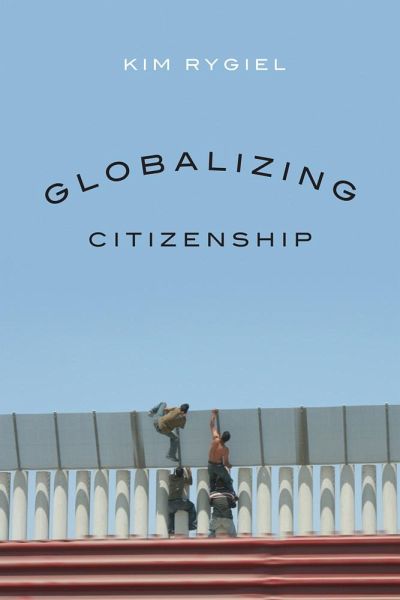
The events of 9/11 exposed and enhanced tensions between globalcapitalism and the nation-state. Governments struggle more than ever togovern populations and manage cross-border traffic without building newbarriers to trade and commerce. What does citizenship mean in thiscontext? Is it in crisis? Kim Rygiel explores these questions by examining border anddetention policies in the United States, the United Kingdom, Canada,and Australia as part of a larger politics of citizenship that preceded9/11. Building on Foucault's concept of biopolitics, she arguesthat citizenship is becoming a globalizing regime to govern mobility asnations harmonize border and detention policies, outsource statefunctions to international organizations and private companies, andrely on technologies of governing to discipline the body. The newmobility regime is not only deepening boundaries based on race, class,and gender, it is causing Western nations to embrace a moretechnocratic, depoliticized understanding of citizenship.