
Andere Kunden interessierten sich auch für
 Critique of Liberal Reason28,99 €
 Troubled Legitimization15,99 €
 Gnostic Philosophy33,99 €
 Richard Price and the Foundation of Virtue24,99 €
 Myth and Ideology16,99 €
 Practical Rationality & Human Difference27,99 €
 Road to October 714,99 €



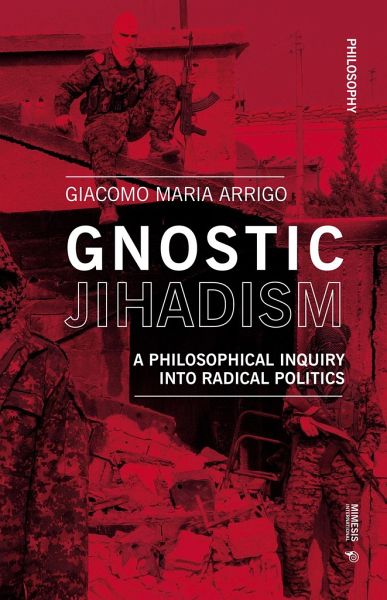
This book explores the radical Islamist mindset by adopting the philosophical category of revolutionary Gnosticism. Already used for the study of other revolutionary phenomena such as Nazism, Bolshevism and Jacobinism, never before has this notion been adopted in relation to Salafi -Jihadism, the latest existing revolutionary ideology. The consistency of Salafi -Jihadism with revolutionary Gnosticism reveals a conception of the world that stands in the forgetfulness of a pure transcendent dimension, notwithstanding the apparent spiritual framework and religious justifications that jihadists provide. Through the examination of Islamist sermons and texts in light of a distinct philosophical tradition, this book investigates the activist redemptive effort of Salafi -Jihadism, which leaves God without a clear possibility of intervening in human affairs.