
Dr. Christopher Southgate (UK University of Exeter), Professor Paul S. Fiddes (UK University of Oxford), Rev Dr Michael Lloyd (Wycliffe Hall, University of Oxford, UK)
God, Struggle, and Suffering in the Evolution of Life

Dr. Christopher Southgate (UK University of Exeter), Professor Paul S. Fiddes (UK University of Oxford), Rev Dr Michael Lloyd (Wycliffe Hall, University of Oxford, UK)
God, Struggle, and Suffering in the Evolution of Life
- Broschiertes Buch
- Merkliste
- Auf die Merkliste
- Bewerten Bewerten
- Teilen
- Produkt teilen
- Produkterinnerung
- Produkterinnerung
Focuses on conversation with six scholars concerning the theological suffering in the non-human world, over millions of years.
Andere Kunden interessierten sich auch für
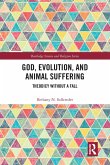
 Bethany N. SollerederGod, Evolution, and Animal Suffering55,99 €
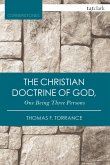
 Very Revd Thomas F. TorranceThe Christian Doctrine of God, One Being Three Persons37,99 €
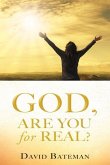
 David BatemanGod, Are You for Real?10,99 €
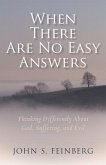
 John FeinbergWhen There Are No Easy Answers - Thinking Differently About God, Suffering and Evil, and Evil19,99 €
 Salih Sayilgan (Washington DC Georgetown University)God, Evil, and Suffering in Islam31,99 €
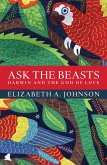
 Elizabeth A. JohnsonAsk the Beasts: Darwin and the God of Love26,99 €
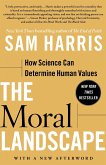
 Sam HarrisThe Moral Landscape13,99 €
-
-
-

Focuses on conversation with six scholars concerning the theological suffering in the non-human world, over millions of years.
Produktdetails
- Produktdetails
- Verlag: Bloomsbury Publishing PLC
- Seitenzahl: 208
- Erscheinungstermin: 16. Oktober 2025
- Englisch
- Abmessung: 216mm x 138mm x 25mm
- Gewicht: 266g
- ISBN-13: 9780567716484
- ISBN-10: 0567716481
- Artikelnr.: 73246878
- Herstellerkennzeichnung
- Libri GmbH
- Europaallee 1
- 36244 Bad Hersfeld
- gpsr@libri.de
- Verlag: Bloomsbury Publishing PLC
- Seitenzahl: 208
- Erscheinungstermin: 16. Oktober 2025
- Englisch
- Abmessung: 216mm x 138mm x 25mm
- Gewicht: 266g
- ISBN-13: 9780567716484
- ISBN-10: 0567716481
- Artikelnr.: 73246878
- Herstellerkennzeichnung
- Libri GmbH
- Europaallee 1
- 36244 Bad Hersfeld
- gpsr@libri.de
Christopher Southgate is Research Fellow in Theology at the University of Exeter, UK.
Chapter 1: Introduction by Christopher Southgate
Chapter 2:
2.1 Michael Lloyd (Wycliffe Hall, Oxford, UK)
2.1.1 On an originating cause of disvalues in the natural world
2.1.2 On God's relation to the suffering of non-human creatures
2.1.3 On the role of atonement
2.1.4 On the eschatological life of creatures
2.1.5 Lloyd on the strengths and weakness of his scheme
2.2 Neil Messer (Baylor University, USA)
2.2.1 On an originating cause of disvalues in the natural world
2.2.2 On God's relation to the suffering of non-human creatures
2.2.3 On the role of atonement
2.2.4 On the eschatological life of creatures
2.2.5 Messer on the strengths and weaknesses of his scheme
2.3 Christopher Southgate (University of Exeter, UK)
2.3.1 On an originating cause of disvalues in the natural world
2.3.2 On God's relation to the suffering of non-human creatures
2.3.3 On the role of atonement
2.3.4 On the eschatological life of creatures
2.3.5 Southgate on the strengths and weaknesses of his scheme
2.4 Bethany Sollereder (University of Edinburgh, UK)
2.4.1 On an originating cause of disvalues in the natural world
2.4.2 On God's relation to the suffering of non-human creatures
2.4.3 On the role of atonement
2.4.4 On the eschatological life of creatures
2.4.5 Sollereder on the strengths and weakness of her scheme
2.5 Response by Paul Fiddes (University of Oxford, UK) to the initial
position papers, and outlining of his own position
2.5.1 Four position papers, two groups
2.5.2 An originating cause and an ongoing relation
2.5.3 The resistance to God in all creation
2.5.4 Atonement and eschatology
Chapter 3
3.1 Michael Lloyd
3.1.1 Is my three-fold taxonomy too rigid?
3.1.2 Is God the ultimate 'cause' of the disvalues of creation?
3.1.3 How far does the Fall of the Angels hypothesis get us?
3.1.4 Why does God not use divine power to prevent or ameliorate suffering?
3.1.5 If God's action in the world is non-coercive, how can we sustain
eschatological hope?
3.1.6 Could the process of evolution have happened otherwise?
3.1.7 Three questions for the Resistance Theodicy
3.2 Neil Messer
3.2.1 Das Nichtige, resistance, and originating causes
3.2.2 Death, pain, and suffering
3.2.3 Divine co-suffering, atonement, and eschatology
3.2.4 Conclusion
3.3. Christopher Southgate
3.3.1 Two emerging emphases
3.3.2 God's onging providential engagement
3.3.3 Atonement and eschatology
3.4 Bethany Sollereder
3.4.1 The necessity of suffering
3.4.2 The Cooperation of God with the world
3.4.3 Eschatological Hope
3.4.4 Resistance and Reconciliation in Humans
3.5 Paul Fiddes
3.5.1 The nature of theodicy
3.5.2 Proportionate and disproportionate suffering
3.5.3 The state of a fallen universe
3.5.4 The 'only way' and the argument from non-being
3.5.5 The nature of freedom
3.5.6 The response of creatures to an open-ended purpose
3.5.7 Suffering as something strange to God
3.5.8 Divine cooperation and the new creation
Chapter 4 Mark Wynn (University of Oxford, UK): reflection on the
conversation
Chapter 5 Christopher Southgate: conclusion
Bibliography
Index
Chapter 2:
2.1 Michael Lloyd (Wycliffe Hall, Oxford, UK)
2.1.1 On an originating cause of disvalues in the natural world
2.1.2 On God's relation to the suffering of non-human creatures
2.1.3 On the role of atonement
2.1.4 On the eschatological life of creatures
2.1.5 Lloyd on the strengths and weakness of his scheme
2.2 Neil Messer (Baylor University, USA)
2.2.1 On an originating cause of disvalues in the natural world
2.2.2 On God's relation to the suffering of non-human creatures
2.2.3 On the role of atonement
2.2.4 On the eschatological life of creatures
2.2.5 Messer on the strengths and weaknesses of his scheme
2.3 Christopher Southgate (University of Exeter, UK)
2.3.1 On an originating cause of disvalues in the natural world
2.3.2 On God's relation to the suffering of non-human creatures
2.3.3 On the role of atonement
2.3.4 On the eschatological life of creatures
2.3.5 Southgate on the strengths and weaknesses of his scheme
2.4 Bethany Sollereder (University of Edinburgh, UK)
2.4.1 On an originating cause of disvalues in the natural world
2.4.2 On God's relation to the suffering of non-human creatures
2.4.3 On the role of atonement
2.4.4 On the eschatological life of creatures
2.4.5 Sollereder on the strengths and weakness of her scheme
2.5 Response by Paul Fiddes (University of Oxford, UK) to the initial
position papers, and outlining of his own position
2.5.1 Four position papers, two groups
2.5.2 An originating cause and an ongoing relation
2.5.3 The resistance to God in all creation
2.5.4 Atonement and eschatology
Chapter 3
3.1 Michael Lloyd
3.1.1 Is my three-fold taxonomy too rigid?
3.1.2 Is God the ultimate 'cause' of the disvalues of creation?
3.1.3 How far does the Fall of the Angels hypothesis get us?
3.1.4 Why does God not use divine power to prevent or ameliorate suffering?
3.1.5 If God's action in the world is non-coercive, how can we sustain
eschatological hope?
3.1.6 Could the process of evolution have happened otherwise?
3.1.7 Three questions for the Resistance Theodicy
3.2 Neil Messer
3.2.1 Das Nichtige, resistance, and originating causes
3.2.2 Death, pain, and suffering
3.2.3 Divine co-suffering, atonement, and eschatology
3.2.4 Conclusion
3.3. Christopher Southgate
3.3.1 Two emerging emphases
3.3.2 God's onging providential engagement
3.3.3 Atonement and eschatology
3.4 Bethany Sollereder
3.4.1 The necessity of suffering
3.4.2 The Cooperation of God with the world
3.4.3 Eschatological Hope
3.4.4 Resistance and Reconciliation in Humans
3.5 Paul Fiddes
3.5.1 The nature of theodicy
3.5.2 Proportionate and disproportionate suffering
3.5.3 The state of a fallen universe
3.5.4 The 'only way' and the argument from non-being
3.5.5 The nature of freedom
3.5.6 The response of creatures to an open-ended purpose
3.5.7 Suffering as something strange to God
3.5.8 Divine cooperation and the new creation
Chapter 4 Mark Wynn (University of Oxford, UK): reflection on the
conversation
Chapter 5 Christopher Southgate: conclusion
Bibliography
Index
Chapter 1: Introduction by Christopher Southgate
Chapter 2:
2.1 Michael Lloyd (Wycliffe Hall, Oxford, UK)
2.1.1 On an originating cause of disvalues in the natural world
2.1.2 On God's relation to the suffering of non-human creatures
2.1.3 On the role of atonement
2.1.4 On the eschatological life of creatures
2.1.5 Lloyd on the strengths and weakness of his scheme
2.2 Neil Messer (Baylor University, USA)
2.2.1 On an originating cause of disvalues in the natural world
2.2.2 On God's relation to the suffering of non-human creatures
2.2.3 On the role of atonement
2.2.4 On the eschatological life of creatures
2.2.5 Messer on the strengths and weaknesses of his scheme
2.3 Christopher Southgate (University of Exeter, UK)
2.3.1 On an originating cause of disvalues in the natural world
2.3.2 On God's relation to the suffering of non-human creatures
2.3.3 On the role of atonement
2.3.4 On the eschatological life of creatures
2.3.5 Southgate on the strengths and weaknesses of his scheme
2.4 Bethany Sollereder (University of Edinburgh, UK)
2.4.1 On an originating cause of disvalues in the natural world
2.4.2 On God's relation to the suffering of non-human creatures
2.4.3 On the role of atonement
2.4.4 On the eschatological life of creatures
2.4.5 Sollereder on the strengths and weakness of her scheme
2.5 Response by Paul Fiddes (University of Oxford, UK) to the initial
position papers, and outlining of his own position
2.5.1 Four position papers, two groups
2.5.2 An originating cause and an ongoing relation
2.5.3 The resistance to God in all creation
2.5.4 Atonement and eschatology
Chapter 3
3.1 Michael Lloyd
3.1.1 Is my three-fold taxonomy too rigid?
3.1.2 Is God the ultimate 'cause' of the disvalues of creation?
3.1.3 How far does the Fall of the Angels hypothesis get us?
3.1.4 Why does God not use divine power to prevent or ameliorate suffering?
3.1.5 If God's action in the world is non-coercive, how can we sustain
eschatological hope?
3.1.6 Could the process of evolution have happened otherwise?
3.1.7 Three questions for the Resistance Theodicy
3.2 Neil Messer
3.2.1 Das Nichtige, resistance, and originating causes
3.2.2 Death, pain, and suffering
3.2.3 Divine co-suffering, atonement, and eschatology
3.2.4 Conclusion
3.3. Christopher Southgate
3.3.1 Two emerging emphases
3.3.2 God's onging providential engagement
3.3.3 Atonement and eschatology
3.4 Bethany Sollereder
3.4.1 The necessity of suffering
3.4.2 The Cooperation of God with the world
3.4.3 Eschatological Hope
3.4.4 Resistance and Reconciliation in Humans
3.5 Paul Fiddes
3.5.1 The nature of theodicy
3.5.2 Proportionate and disproportionate suffering
3.5.3 The state of a fallen universe
3.5.4 The 'only way' and the argument from non-being
3.5.5 The nature of freedom
3.5.6 The response of creatures to an open-ended purpose
3.5.7 Suffering as something strange to God
3.5.8 Divine cooperation and the new creation
Chapter 4 Mark Wynn (University of Oxford, UK): reflection on the
conversation
Chapter 5 Christopher Southgate: conclusion
Bibliography
Index
Chapter 2:
2.1 Michael Lloyd (Wycliffe Hall, Oxford, UK)
2.1.1 On an originating cause of disvalues in the natural world
2.1.2 On God's relation to the suffering of non-human creatures
2.1.3 On the role of atonement
2.1.4 On the eschatological life of creatures
2.1.5 Lloyd on the strengths and weakness of his scheme
2.2 Neil Messer (Baylor University, USA)
2.2.1 On an originating cause of disvalues in the natural world
2.2.2 On God's relation to the suffering of non-human creatures
2.2.3 On the role of atonement
2.2.4 On the eschatological life of creatures
2.2.5 Messer on the strengths and weaknesses of his scheme
2.3 Christopher Southgate (University of Exeter, UK)
2.3.1 On an originating cause of disvalues in the natural world
2.3.2 On God's relation to the suffering of non-human creatures
2.3.3 On the role of atonement
2.3.4 On the eschatological life of creatures
2.3.5 Southgate on the strengths and weaknesses of his scheme
2.4 Bethany Sollereder (University of Edinburgh, UK)
2.4.1 On an originating cause of disvalues in the natural world
2.4.2 On God's relation to the suffering of non-human creatures
2.4.3 On the role of atonement
2.4.4 On the eschatological life of creatures
2.4.5 Sollereder on the strengths and weakness of her scheme
2.5 Response by Paul Fiddes (University of Oxford, UK) to the initial
position papers, and outlining of his own position
2.5.1 Four position papers, two groups
2.5.2 An originating cause and an ongoing relation
2.5.3 The resistance to God in all creation
2.5.4 Atonement and eschatology
Chapter 3
3.1 Michael Lloyd
3.1.1 Is my three-fold taxonomy too rigid?
3.1.2 Is God the ultimate 'cause' of the disvalues of creation?
3.1.3 How far does the Fall of the Angels hypothesis get us?
3.1.4 Why does God not use divine power to prevent or ameliorate suffering?
3.1.5 If God's action in the world is non-coercive, how can we sustain
eschatological hope?
3.1.6 Could the process of evolution have happened otherwise?
3.1.7 Three questions for the Resistance Theodicy
3.2 Neil Messer
3.2.1 Das Nichtige, resistance, and originating causes
3.2.2 Death, pain, and suffering
3.2.3 Divine co-suffering, atonement, and eschatology
3.2.4 Conclusion
3.3. Christopher Southgate
3.3.1 Two emerging emphases
3.3.2 God's onging providential engagement
3.3.3 Atonement and eschatology
3.4 Bethany Sollereder
3.4.1 The necessity of suffering
3.4.2 The Cooperation of God with the world
3.4.3 Eschatological Hope
3.4.4 Resistance and Reconciliation in Humans
3.5 Paul Fiddes
3.5.1 The nature of theodicy
3.5.2 Proportionate and disproportionate suffering
3.5.3 The state of a fallen universe
3.5.4 The 'only way' and the argument from non-being
3.5.5 The nature of freedom
3.5.6 The response of creatures to an open-ended purpose
3.5.7 Suffering as something strange to God
3.5.8 Divine cooperation and the new creation
Chapter 4 Mark Wynn (University of Oxford, UK): reflection on the
conversation
Chapter 5 Christopher Southgate: conclusion
Bibliography
Index