
Andere Kunden interessierten sich auch für
 Clavis Poetica Antiquae Linguae Septemtrionalis Quam E Lexico Poëtico Sveinbjörnis Egilssonii Collegit Et In Ordinem Redegit Benedictus Gröndal: Edidi22,99 €
 Post Tenebras Lux: Poésies...17,99 €
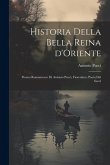
 Historia della bella reina d'Oriente; poema romanzesco di Antonio Pucci, Fiorentino, poeta del secol15,99 €
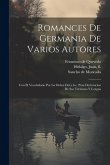
 Romances de germania de varios autores: Con el vocabulario por la orden del a.b.c. para declaracion de sus términos y lengua23,99 €
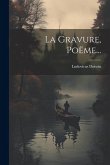
 La Gravure, Poëme...17,99 €
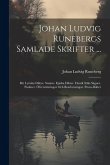
 Johan Ludvig Runebergs Samlade Skrifter ...: Bd. Lyriska Dikter. Smärre Episka Dikter. Fänrik Ståls Sägner. Psalmer. Öfversättningar Och Bearbetningar28,99 €
 Poesie Edite Ed Inedite Di Lorenzo Mascheroni15,99 €
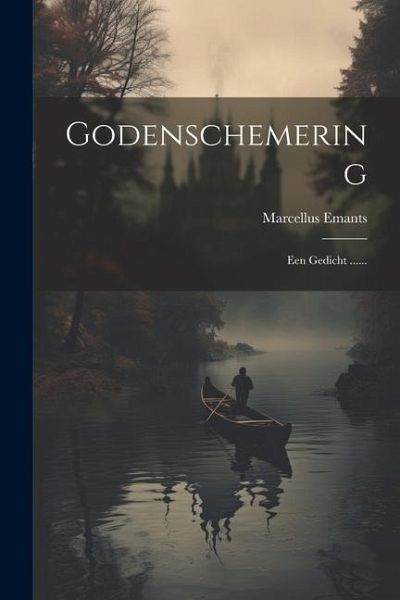
Godenschemering is een belangrijk gedicht uit de Nederlandse literatuur. Het gedicht beschrijft de ondergang van het heidendom en de opkomst van het christendom. This work has been selected by scholars as being culturally important, and is part of the knowledge base of civilization as we know it. This work is in the "public domain in the United States of America, and possibly other nations. Within the United States, you may freely copy and distribute this work, as no entity (individual or corporate) has a copyright on the body of the work. Scholars believe, and we concur, that this work is important enough to be preserved, reproduced, and made generally available to the public. We appreciate your support of the preservation process, and thank you for being an important part of keeping this knowledge alive and relevant.