
Andere Kunden interessierten sich auch für
 Chaos to Context17,99 €
 The SAGE Handbook of Autism and Education133,99 €
 Autism and Early Years Practice35,99 €
 Autism from the Inside Out32,75 €
 Autism Works26,99 €
 College Success for Students on the Autism Spectrum32,99 €
 Children in Difficulty35,99 €

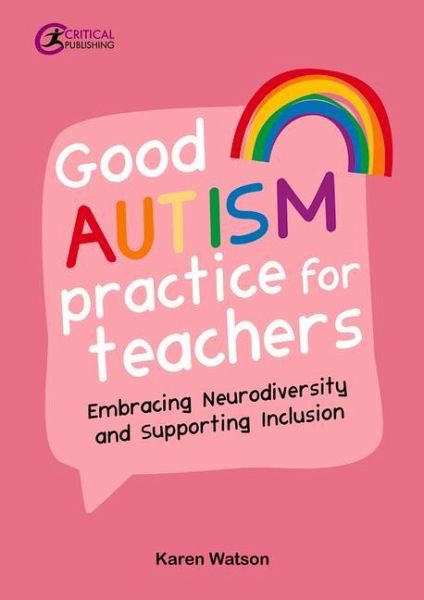
Find out more about inclusive teaching with Good Autism Practice for Teachers, a well-regarded guide that equips educators with practical, evidence-informed strategies to support neurodivergent learners. Whether you're a seasoned teacher or a trainee, including SENCOs, this book is your key to transforming your classroom.
Explore the theory around autism, delving into topics such as;
procedural /semantic memory,executive functioning,expressive/receptive language,sensory integration,behaviour as communication, andthe importance of emotional literacy, co-regulation and resilience.
Packed with plenty of actionable advice you can incorporate into your everyday teaching, and high-quality strategies designed to foster positive relationships, enhance teaching and optimise learning outcomes.
Good Autism Practice for Teachers isn't about prescribing one-size-fits-all solutions; it's about empowering you to make informed decisions tailored to your unique class and students.
Explore the theory around autism, delving into topics such as;
procedural /semantic memory,executive functioning,expressive/receptive language,sensory integration,behaviour as communication, andthe importance of emotional literacy, co-regulation and resilience.
Packed with plenty of actionable advice you can incorporate into your everyday teaching, and high-quality strategies designed to foster positive relationships, enhance teaching and optimise learning outcomes.
Good Autism Practice for Teachers isn't about prescribing one-size-fits-all solutions; it's about empowering you to make informed decisions tailored to your unique class and students.
This is a well-structured text, with useful images / visuals to support deeper understanding and with many examples of best practice. Each chapter includes key points, reflective questions and information on further reading and associated references.
The chapter on 'Change the Language', is typical of the book's format, in the ways in which, for example, Watson carefully explains the power of language and the need for all adults to be vigilant in challenging inappropriate language choices and respecting the needs of the autistic community.
This is a very accessible book and I can see that it will become well-used and often referred to, as Watson hopes.
Mary Mountstephen, SEN magazine
The chapter on 'Change the Language', is typical of the book's format, in the ways in which, for example, Watson carefully explains the power of language and the need for all adults to be vigilant in challenging inappropriate language choices and respecting the needs of the autistic community.
This is a very accessible book and I can see that it will become well-used and often referred to, as Watson hopes.
Mary Mountstephen, SEN magazine