
Andere Kunden interessierten sich auch für
 An Aristocratic Compatibilist's Providence192,99 €
 Saint Paul and Contemporary European Philosophy116,99 €
 Zinoviy Otenskiy and the Trinitarian Controversy in Sixteenth-Century Russia202,99 €
 Marsilii de Inghen Quaestiones Super Quattuor Libros Sententiarum115,99 €
 The Eastern Christian Tradition in Modern Russian Thought and Beyond139,99 €
 John Duns Scotus on Grace and the Trinitarian Missions121,99 €
 Bird of Many Plumes: Conceptions and Applications of Authority in the Thought of William of Saint-Thierry146,99 €

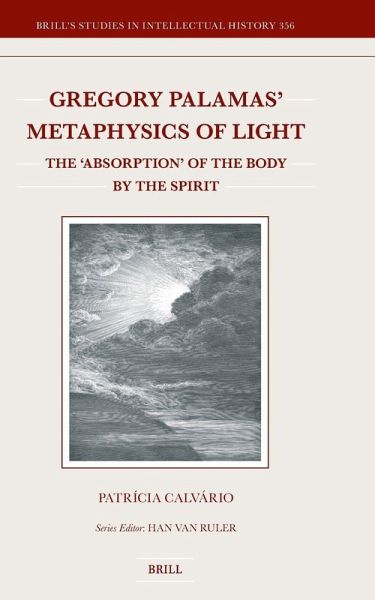
This book examines Gregory Palamas' perspective on light, applying the 'metaphysics of light' framework introduced by Clemens Baeumker and adapting it to propose a new theoretical approach to Palamas' thought. It explores Palamas' understanding of light, addressing its ontological, epistemological, and transformative aspects, which he articulates through the integration of scriptural exegesis and the direct experiences of monastic prayer. The analysis covers Palamas' key concepts, from the essence-energy distinction to the potential for experiencing the divine through the body in this life. The book situates Palamas' thought both within its historical context and the broader field of metaphysics, providing a philosophical perspective. This meticulous study invites readers interested in the intersections of Byzantine theology, philosophy, and metaphysics, offering a comprehensive examination of a system that challenges conventional views on corporeality and finitude.