The grounded theory method is founded on a view of analysis whereby the research questions and potential hypotheses are not articulated at the outset; rather, the researcher initially seeks to gain familiarity with a research context, and only in later stages does the process become progressively more focused and targeted. As such, the grounded theory method uses familiar research tools and techniques (coding, sampling, classification) but in distinctive and innovative ways. As a result, the method is one of the most widely used-if not the most widely used-method in current qualitative…mehr
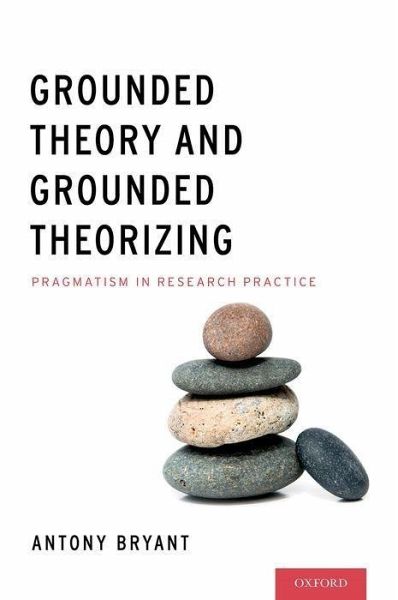
The grounded theory method is founded on a view of analysis whereby the research questions and potential hypotheses are not articulated at the outset; rather, the researcher initially seeks to gain familiarity with a research context, and only in later stages does the process become progressively more focused and targeted. As such, the grounded theory method uses familiar research tools and techniques (coding, sampling, classification) but in distinctive and innovative ways. As a result, the method is one of the most widely used-if not the most widely used-method in current qualitative research. Initially aimed at the social sciences, the grounded theory method has now spread so far that it can be found in almost any subject area or discipline in which people are observed or interviewed as participants. In Grounded Theory and Grounded Theorizing: Pragmatism in Research Practice, author Antony Bryant illustrates the key features of grounded theory method by showcasing examples from several of his most successful doctoral students. In this accessible volume, Bryant provides expert guidance on the use of grounded theory method in qualitative research by emphasizing and illustrating the essential features and background of the method for readers and researchers of all levels and competencies.
Antony Bryant is Professor of Informatics at Leeds Beckett University (formerly Leeds Polytechnic, and Leeds Metropolitan University) in the United Kingdom. He has been Professor of Informatics since 1994, teaching a range of courses at undergraduate and post-graduate levels; also developing and teaching a wide range of post-graduate courses in The Netherlands, South Africa, Malaysia, and China. He has supervised over 40 doctoral students, in topics including formal specification of software systems, development of quality and maturity frameworks, new forms of business modelling, and various aspects of e-government and e-democracy. He has written and taught extensively on research methods, with a particular interest in qualitative research methods, and the grounded theory method in particular.
Inhaltsangabe
Introduction: Not Another Book on Grounded Theory Part I: Research and Research Methods 1. Why (do) Research? 2. Research Methods Part II: The Grounded Theory Method: Background and Overview 3. 1967 And All That 4. The Grounded Theory Method: An Overview Part III: Grounded Theorizing 5. Coding: Terminology and Clarification 6. A Coding Exercise 7. An Abbreviated Example: Research Pitching 8. Process and Procedure: Getting Started and Moving Forwards 9. Coding Strategies: Tales From the Front-line 10. Reflecting and Recording: Memoing and Reflective Research Practice 11. Moving On: Later Sampling, Coding and Analyzing 12. Getting to an End-point: Theoretical Saturation 13. Abduction: No Longer an Alien Concept Part IV: Themes and Variations 14. A Grounded Theory of Grounded Theory Journal Papers 15. Another View of GTM: Another Way of Modelling 16. It's All in the Big Data: Data, Big Data, and GTM 17. GTM and Pragmatism: Instrumental Theorizing 18. GTM as a Guide to Good Research Practice 19. Four Accounts of Grounded Theorizing 20. The Survival of the Grounded Theorist
Introduction: Not Another Book on Grounded Theory Part I: Research and Research Methods 1. Why (do) Research? 2. Research Methods Part II: The Grounded Theory Method: Background and Overview 3. 1967 And All That 4. The Grounded Theory Method: An Overview Part III: Grounded Theorizing 5. Coding: Terminology and Clarification 6. A Coding Exercise 7. An Abbreviated Example: Research Pitching 8. Process and Procedure: Getting Started and Moving Forwards 9. Coding Strategies: Tales From the Front-line 10. Reflecting and Recording: Memoing and Reflective Research Practice 11. Moving On: Later Sampling, Coding and Analyzing 12. Getting to an End-point: Theoretical Saturation 13. Abduction: No Longer an Alien Concept Part IV: Themes and Variations 14. A Grounded Theory of Grounded Theory Journal Papers 15. Another View of GTM: Another Way of Modelling 16. It's All in the Big Data: Data, Big Data, and GTM 17. GTM and Pragmatism: Instrumental Theorizing 18. GTM as a Guide to Good Research Practice 19. Four Accounts of Grounded Theorizing 20. The Survival of the Grounded Theorist
Es gelten unsere Allgemeinen Geschäftsbedingungen: www.buecher.de/agb
Impressum
www.buecher.de ist ein Internetauftritt der buecher.de internetstores GmbH
Geschäftsführung: Monica Sawhney | Roland Kölbl | Günter Hilger
Sitz der Gesellschaft: Batheyer Straße 115 - 117, 58099 Hagen
Postanschrift: Bürgermeister-Wegele-Str. 12, 86167 Augsburg
Amtsgericht Hagen HRB 13257
Steuernummer: 321/5800/1497
USt-IdNr: DE450055826