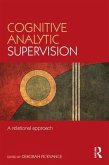
Margaret Smith is a psychodynamic psychotherapist and group analyst working in private practice with a special interest in group supervision. She is an independent member of the United Kingdom Council for Psychotherapy (UKCP), a Member of the Institute of Group Analysis (IGA) and British Association for Psychoanalytic and Psychodynamic Supervision (BAPPS). Margaret Gallop is a group analytic psychotherapist in private practice with a special interest in supervision. She is a Member of the Institute for Group Analysis and a Member of the United Kingdom Council for Psychotherapy (UKCP). She is a former co-convenor of the IGA Diploma in 'Using the Group as a Medium for Supervision'.
Inhaltsangabe
About the authors Acknowledgements List of illustrations Introduction Section one: A history of group analysis 1. History: SH Foulkes and the beginning of group analysis Section two: Group Analytic theory 2. 'To supplement' or 'build anew': Foulkes' sociogenetic theory of the mind 3. Some key group analytic concepts Section three: The history of group supervision 4. In the beginning: The roots of group analytic supervision 5. Section four: A group analytic model of supervision 6. The clinical hexagon: A group analytic Model of supervision 7. Dynamic administration: Managing the boundaries of group supervision Section five: Caring for the carers 8. The supervisory alliance: creating sustaining relationships in group supervision 9. To set the darkness echoing': the supervisees experience of group supervision 10. Enough and to spare: the function of supervision groups in supporting the psychological needs of staff working in demanding professions. Section six: Using the group as the medium for supervision 11. Parallel process: processing role responsiveness in group supervision 12. What am I missing? What is not being voiced? Using the multiple perspectives of diversity in the group supervision group. 13. Through a glass darkly: a reflecting team model of supervision
About the authors Acknowledgements List of illustrations Introduction Section one: A history of group analysis 1. History: SH Foulkes and the beginning of group analysis Section two: Group Analytic theory 2. 'To supplement' or 'build anew': Foulkes' sociogenetic theory of the mind 3. Some key group analytic concepts Section three: The history of group supervision 4. In the beginning: The roots of group analytic supervision 5. Section four: A group analytic model of supervision 6. The clinical hexagon: A group analytic Model of supervision 7. Dynamic administration: Managing the boundaries of group supervision Section five: Caring for the carers 8. The supervisory alliance: creating sustaining relationships in group supervision 9. To set the darkness echoing': the supervisees experience of group supervision 10. Enough and to spare: the function of supervision groups in supporting the psychological needs of staff working in demanding professions. Section six: Using the group as the medium for supervision 11. Parallel process: processing role responsiveness in group supervision 12. What am I missing? What is not being voiced? Using the multiple perspectives of diversity in the group supervision group. 13. Through a glass darkly: a reflecting team model of supervision
Es gelten unsere Allgemeinen Geschäftsbedingungen: www.buecher.de/agb
Impressum
www.buecher.de ist ein Internetauftritt der buecher.de internetstores GmbH
Geschäftsführung: Monica Sawhney | Roland Kölbl | Günter Hilger
Sitz der Gesellschaft: Batheyer Straße 115 - 117, 58099 Hagen
Postanschrift: Bürgermeister-Wegele-Str. 12, 86167 Augsburg
Amtsgericht Hagen HRB 13257
Steuernummer: 321/5800/1497
USt-IdNr: DE450055826