
Andere Kunden interessierten sich auch für
 Twelver Shiism137,99 €
 Religion, Orientalism and Modernity127,99 €
 Fatimid Cosmopolitanism127,99 €
 The 1820 Russian Survey of the Khanate of Shirvan137,99 €
 Recognition in the Arabic Narrative Tradition127,99 €
 A Neo-Fatimid Treasury of Books141,99 €
 Late Antiquity116,99 €






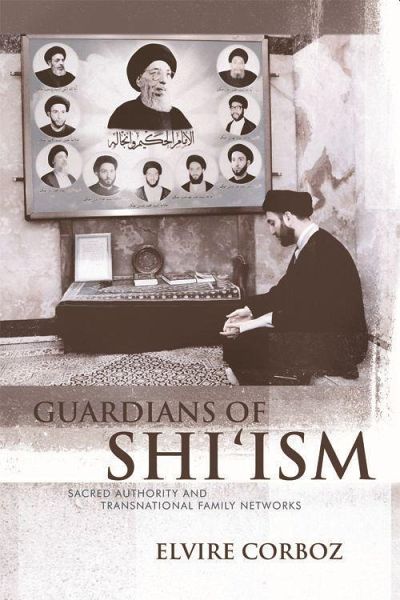
Based on a political sociology of two families of religious scholars, al-Hakim and al-Khu'i, Elvire Corboz explains the internal workings of transnational leadership patterns in Shi`ism for the first time. Corboz compares the multifaceted roles played by Shi`i clerics in contemporary affairs with selective narratives about the traditional system of religious authority (the marja`iyya), political organisations, and international charities. Whether informal or institutionalised, their authority networks are in constant negotiation between communities and states in Iraq, Iran, other Middle Eastern countries, the Indian sub-continent South-East Asia, and the West. This multi-sited approach clarifies the local and transnational dynamics that underpin clerical authority.