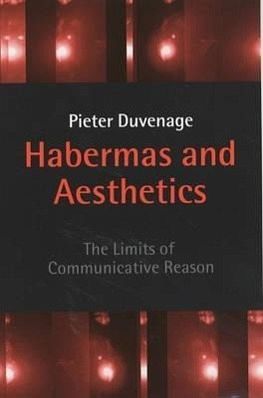
In this important new study, Pieter Duvenage shows that Habermas's work on aesthetics, far from being marginal to his core concerns, is central to understanding and evaluating Habermas's entire theoretical enterprise. * This important new study shows that Habermas's work on aesthetics is central to understanding and evaluating his entire theoretical enterprise. * Duvenage demonstrates that, in the first phase of his intellectual career, Habermas emphasizes the communicative and societal relevance of art; in the second phase, the idea of a communicative aesthetics is worked out in terms of a…mehr
In this important new study, Pieter Duvenage shows that Habermas's work on aesthetics, far from being marginal to his core concerns, is central to understanding and evaluating Habermas's entire theoretical enterprise. * This important new study shows that Habermas's work on aesthetics is central to understanding and evaluating his entire theoretical enterprise. * Duvenage demonstrates that, in the first phase of his intellectual career, Habermas emphasizes the communicative and societal relevance of art; in the second phase, the idea of a communicative aesthetics is worked out in terms of a theory of rationality. * Reveals that Habermas's later work offers a third, albeit undeveloped, alternative that suggests a convergence of the two. * Offers a critical perspective on the role of aesthetics in Habermas's work and proposes possible alternatives.
Pieter Duvenage is Associate Professor in the Department of Communication at Rand Afrikaans University, South Africa.
Inhaltsangabe
Preface. Acknowledgements. Introduction. Part I: Habermas And Aesthetics: The First Phase:. 1. Initial Influences And Themes In Habermas's Work. 2. The Public Sphere And The Role Of Art. 3. The Decline Of The Public Sphere. 4. Towards A Normative And Rational Public Sphere. 5. An Aesthetics Of Redemption: Habermas's Benjamin Essay. 6. Habermas's Early Reflections On Aesthetics. Part II: Habermas And The Legacy Of Aesthetics In Critical Theory:. 7. The Initial Research Programme Of Critical Theory. 8. Society As The Result Of Instrumental Reason. 9. Adorno: Instrumental Reason And Aesthetics. 10. The Outer Circle And The Benjaminian Alternative. 11. Summary. Part III: Habermas And Aesthetics: The Second Phase:. 12. The Theory Of Communicative Action And Rationality. 13. The Theory Of Societal Rationalization. 14. The Aesthetic Implications Of Communicative Reason. 15. Three Case Studies: Schiller, Hegel And Heine. 16. Recapitulation: Habermas And The Fate Of Aesthetics. Part IV: The Second Phase Continues:The Postmodern Challenge:. 17. Nietzsche's Aesthetic Anti-Discourse Of Modernity. 18. Art And Ontology: Heidegger. 19. On Philosophy And Literature: Derrida. 20. Postmodernity And Genealogy: Bataille And Foucault. 21. A Postmodern Critique Of Habermas's Aesthetics. 22. Summary. Part V: Critical Perspectives On Habermas's Aesthetics:. 23. The Role Of Aesthetics In Communicative Reason. 24. Habermas And The De-Linguistification Of (Inner) Nature. 25. The Role Of Aesthetics In Social Rationalization. 26. Reading Adorno After Habermas. 27. Critical Summary. Part VI: The Reciprocity Of World Disclosure And Discursive Language:. 28. Truth As Aesthetic World Disclosure: Heidegger. 29. Truth As Rational Discursiveness: Habermas. 30. The Road Beyond: Art As Communicative Experience. 31. The Political And Moral Implications Of World Disclosure. Notes. Bibliography. Index
Preface. Acknowledgements. Introduction. Part I: Habermas And Aesthetics: The First Phase:. 1. Initial Influences And Themes In Habermas's Work. 2. The Public Sphere And The Role Of Art. 3. The Decline Of The Public Sphere. 4. Towards A Normative And Rational Public Sphere. 5. An Aesthetics Of Redemption: Habermas's Benjamin Essay. 6. Habermas's Early Reflections On Aesthetics. Part II: Habermas And The Legacy Of Aesthetics In Critical Theory:. 7. The Initial Research Programme Of Critical Theory. 8. Society As The Result Of Instrumental Reason. 9. Adorno: Instrumental Reason And Aesthetics. 10. The Outer Circle And The Benjaminian Alternative. 11. Summary. Part III: Habermas And Aesthetics: The Second Phase:. 12. The Theory Of Communicative Action And Rationality. 13. The Theory Of Societal Rationalization. 14. The Aesthetic Implications Of Communicative Reason. 15. Three Case Studies: Schiller, Hegel And Heine. 16. Recapitulation: Habermas And The Fate Of Aesthetics. Part IV: The Second Phase Continues:The Postmodern Challenge:. 17. Nietzsche's Aesthetic Anti-Discourse Of Modernity. 18. Art And Ontology: Heidegger. 19. On Philosophy And Literature: Derrida. 20. Postmodernity And Genealogy: Bataille And Foucault. 21. A Postmodern Critique Of Habermas's Aesthetics. 22. Summary. Part V: Critical Perspectives On Habermas's Aesthetics:. 23. The Role Of Aesthetics In Communicative Reason. 24. Habermas And The De-Linguistification Of (Inner) Nature. 25. The Role Of Aesthetics In Social Rationalization. 26. Reading Adorno After Habermas. 27. Critical Summary. Part VI: The Reciprocity Of World Disclosure And Discursive Language:. 28. Truth As Aesthetic World Disclosure: Heidegger. 29. Truth As Rational Discursiveness: Habermas. 30. The Road Beyond: Art As Communicative Experience. 31. The Political And Moral Implications Of World Disclosure. Notes. Bibliography. Index
Es gelten unsere Allgemeinen Geschäftsbedingungen: www.buecher.de/agb
Impressum
www.buecher.de ist ein Internetauftritt der buecher.de internetstores GmbH
Geschäftsführung: Monica Sawhney | Roland Kölbl | Günter Hilger
Sitz der Gesellschaft: Batheyer Straße 115 - 117, 58099 Hagen
Postanschrift: Bürgermeister-Wegele-Str. 12, 86167 Augsburg
Amtsgericht Hagen HRB 13257
Steuernummer: 321/5800/1497
USt-IdNr: DE450055826