
Andere Kunden interessierten sich auch für
 Überredung11,40 €
 Eine Rose stand im Tau9,99 €
 A Baby Boomer's Last Stand32,99 €
 Stand Your Ground24,99 €
 Life on The Stand14,99 €
 A Baby Boomer's Last Stand32,99 €
 Will The Real Keanu Reeves Please Stand Up?15,99 €





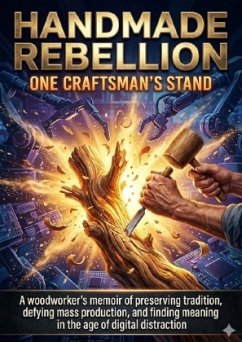
In a converted barn in the Cotswolds, he shapes oak with tools his great-grandfather would recognize. While the world races toward automation, 3D printing, and disposable everything, this British woodworker has chosen a different path-one measured in hand-cut dovetails, sharpened chisels, and the quiet rebellion of making things that last.This memoir chronicles a life dedicated to mastering skills mass production has nearly erased: steam-bending, hand-planing, joinery that needs no nails. Through intimate workshop scenes and reflections on decades of apprenticeship, the narrator exposes what we've lost when convenience replaces craft-the sensory knowledge of wood grain, the meditative rhythm of repetitive work, the satisfaction of imperfection that reveals human touch.But this isn't nostalgic escapism. It's a manifesto for modern relevance. He interrogates how traditional craftsmanship can address contemporary crises: sustainability through repair culture, mental health through mindful making, community through skill-sharing, and economic resilience through local production. He confronts the privilege of choosing slowness in a world where many must hustle to survive, questions whether heritage skills can scale without losing soul, and wrestles with his own role as both artisan and entrepreneur.For makers seeking permission to slow down, sustainability advocates questioning consumer culture, hobbyists wanting deeper connection to their craft, and anyone feeling alienated by digital life-this memoir offers both practical wisdom and philosophical grounding. It's a call to measure worth not by output or profit, but by the integrity of the work itself.