
Andere Kunden interessierten sich auch für
 Roots of the Bible29,00 €
 Disappearing Traces121,99 €
 Constructing Ethnic Identities165,99 €
 Scripture, Reason, and the Contemporary Islam-West Encounter76,99 €
 The Final Revelation29,99 €
 Hasidic Williamsburg120,99 €
 Scripture, Reason, and the Contemporary Islam-West Encounter76,99 €






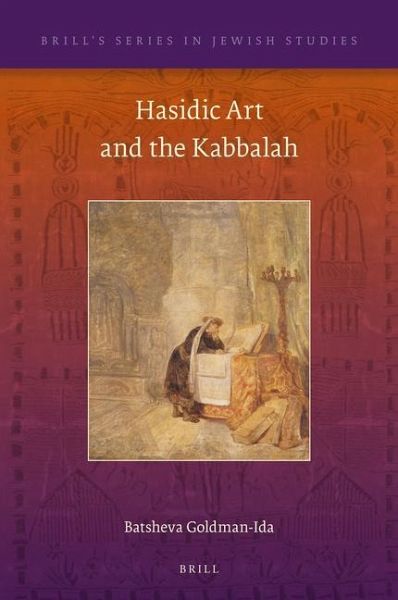
Hasidic Art and the Kabbalah presents eight case studies of manuscripts, ritual objects, and folk art developed by Hasidic masters in the mid-eighteenth to late nineteenth centuries, whose form and decoration relate to sources in the Zohar, German Pietism, and Safed Kabbalah. Examined at the delicate and difficult to define interface between seemingly simple, folk art and complex ideological and conceptual outlooks which contain deep, abstract symbols, the study touches on aspects of object history, intellectual history, the decorative arts, and the history of religion. Based on original texts, the focus of this volume is on the subjective experience of the user at the moment of ritual, applying tenets of process philosophy and literary theory - Wolfgang Iser, Gaston Bachelard, and Walter Benjamin - to the analysis of objects.