- Broschiertes Buch
- Merkliste
- Auf die Merkliste
- Bewerten Bewerten
- Teilen
- Produkt teilen
- Produkterinnerung
- Produkterinnerung
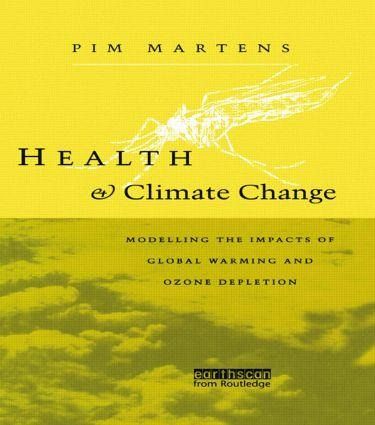
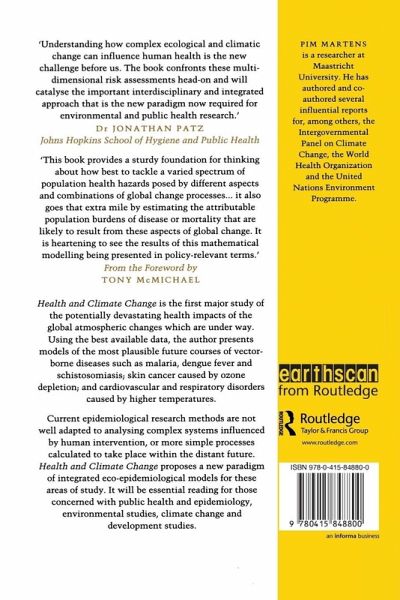
First Published in 2009. Routledge is an imprint of Taylor & Francis, an informa company.
Andere Kunden interessierten sich auch für
Debra HendricksonThe Air They Breathe14,99 €
Institute Of MedicineGlobal Climate Change and Extreme Weather Events70,99 €
Institute Of MedicineGulf War and Health46,99 €
Edward John TiltThe Change of Life in Health and Disease: a Clinical Treatise on the Diseases of the Ganglionic Nervous System Incidental to Women at the Decline of L22,99 €
René Just HaüyTraité De Cristallographie24,99 €
René Just HaüyTraité De Cristallographie: Suivi D'une Application Des Principes De Cette Science a La Détermination Des Espèces Minérales Et D'une Nouvelle Méth32,99 €
David Ross BuchananProgress in Preventing AIDS?130,99 €-
-
-
First Published in 2009. Routledge is an imprint of Taylor & Francis, an informa company.
Produktdetails
- Produktdetails
- Verlag: Taylor & Francis
- Seitenzahl: 204
- Erscheinungstermin: 12. September 2014
- Englisch
- Abmessung: 226mm x 152mm x 13mm
- Gewicht: 295g
- ISBN-13: 9780415848800
- ISBN-10: 0415848806
- Artikelnr.: 37086327
- Herstellerkennzeichnung
- Libri GmbH
- Europaallee 1
- 36244 Bad Hersfeld
- gpsr@libri.de
- Verlag: Taylor & Francis
- Seitenzahl: 204
- Erscheinungstermin: 12. September 2014
- Englisch
- Abmessung: 226mm x 152mm x 13mm
- Gewicht: 295g
- ISBN-13: 9780415848800
- ISBN-10: 0415848806
- Artikelnr.: 37086327
- Herstellerkennzeichnung
- Libri GmbH
- Europaallee 1
- 36244 Bad Hersfeld
- gpsr@libri.de
Martens, Pim
List of Acronyms and Abbreviations
List of Figures
List of Tables
List of Boxes
Foreword by Tony McMichael
Preface
1. Introduction
The Issue
Scope and Objectives
Outline
2. An Eco-Epidemiological Modelling Approach
Introduction
Limitations of Conventional Epidemiology
Eco-Epidemiological Modelling
Discussion
3. Climate Change and Vector-Borne Diseases
Introduction
The Vectors and Their Diseases
Epidemic Potential
Climate Effects
Malaria Prevalence
Climate Scenarios
Changes in Potential Risk Areas
Changes in Malaria Prevalence
Local Estimates: Model Validation
Model Limitations and Uncertainties
Discussion and Conclusions
4. Modelling Malaria as a Complex Adaptive System
Introduction
The Genetic Algorithm
Modelling Adaptation by Genetic Algorithms
Modelling Experiments
Discussion and Conclusions
5. Climate Change, Thermal Stress and Morality Changes
Introduction
Health Impact Assessment
Thermal Stress in a Number of Cities
Cardiovascular Mortality and Sensitivity to Adaptation
Discussion and Conclusions
6. The Impact of Ozone Depletion on Skin Cancer Incidence
Introduction
Modelling the Cause-Effect Chain
Ozone Depletion and Skin Cancer Risk in the Netherlands and Australia
Uncertainties
Discussion and Conclusions
7. Discussion and Conclusions
Introduction
Major Findings
Future Research lines
Epilogue
References
Index
List of Figures
List of Tables
List of Boxes
Foreword by Tony McMichael
Preface
1. Introduction
The Issue
Scope and Objectives
Outline
2. An Eco-Epidemiological Modelling Approach
Introduction
Limitations of Conventional Epidemiology
Eco-Epidemiological Modelling
Discussion
3. Climate Change and Vector-Borne Diseases
Introduction
The Vectors and Their Diseases
Epidemic Potential
Climate Effects
Malaria Prevalence
Climate Scenarios
Changes in Potential Risk Areas
Changes in Malaria Prevalence
Local Estimates: Model Validation
Model Limitations and Uncertainties
Discussion and Conclusions
4. Modelling Malaria as a Complex Adaptive System
Introduction
The Genetic Algorithm
Modelling Adaptation by Genetic Algorithms
Modelling Experiments
Discussion and Conclusions
5. Climate Change, Thermal Stress and Morality Changes
Introduction
Health Impact Assessment
Thermal Stress in a Number of Cities
Cardiovascular Mortality and Sensitivity to Adaptation
Discussion and Conclusions
6. The Impact of Ozone Depletion on Skin Cancer Incidence
Introduction
Modelling the Cause-Effect Chain
Ozone Depletion and Skin Cancer Risk in the Netherlands and Australia
Uncertainties
Discussion and Conclusions
7. Discussion and Conclusions
Introduction
Major Findings
Future Research lines
Epilogue
References
Index
List of Acronyms and Abbreviations
List of Figures
List of Tables
List of Boxes
Foreword by Tony McMichael
Preface
1. Introduction
The Issue
Scope and Objectives
Outline
2. An Eco-Epidemiological Modelling Approach
Introduction
Limitations of Conventional Epidemiology
Eco-Epidemiological Modelling
Discussion
3. Climate Change and Vector-Borne Diseases
Introduction
The Vectors and Their Diseases
Epidemic Potential
Climate Effects
Malaria Prevalence
Climate Scenarios
Changes in Potential Risk Areas
Changes in Malaria Prevalence
Local Estimates: Model Validation
Model Limitations and Uncertainties
Discussion and Conclusions
4. Modelling Malaria as a Complex Adaptive System
Introduction
The Genetic Algorithm
Modelling Adaptation by Genetic Algorithms
Modelling Experiments
Discussion and Conclusions
5. Climate Change, Thermal Stress and Morality Changes
Introduction
Health Impact Assessment
Thermal Stress in a Number of Cities
Cardiovascular Mortality and Sensitivity to Adaptation
Discussion and Conclusions
6. The Impact of Ozone Depletion on Skin Cancer Incidence
Introduction
Modelling the Cause-Effect Chain
Ozone Depletion and Skin Cancer Risk in the Netherlands and Australia
Uncertainties
Discussion and Conclusions
7. Discussion and Conclusions
Introduction
Major Findings
Future Research lines
Epilogue
References
Index
List of Figures
List of Tables
List of Boxes
Foreword by Tony McMichael
Preface
1. Introduction
The Issue
Scope and Objectives
Outline
2. An Eco-Epidemiological Modelling Approach
Introduction
Limitations of Conventional Epidemiology
Eco-Epidemiological Modelling
Discussion
3. Climate Change and Vector-Borne Diseases
Introduction
The Vectors and Their Diseases
Epidemic Potential
Climate Effects
Malaria Prevalence
Climate Scenarios
Changes in Potential Risk Areas
Changes in Malaria Prevalence
Local Estimates: Model Validation
Model Limitations and Uncertainties
Discussion and Conclusions
4. Modelling Malaria as a Complex Adaptive System
Introduction
The Genetic Algorithm
Modelling Adaptation by Genetic Algorithms
Modelling Experiments
Discussion and Conclusions
5. Climate Change, Thermal Stress and Morality Changes
Introduction
Health Impact Assessment
Thermal Stress in a Number of Cities
Cardiovascular Mortality and Sensitivity to Adaptation
Discussion and Conclusions
6. The Impact of Ozone Depletion on Skin Cancer Incidence
Introduction
Modelling the Cause-Effect Chain
Ozone Depletion and Skin Cancer Risk in the Netherlands and Australia
Uncertainties
Discussion and Conclusions
7. Discussion and Conclusions
Introduction
Major Findings
Future Research lines
Epilogue
References
Index