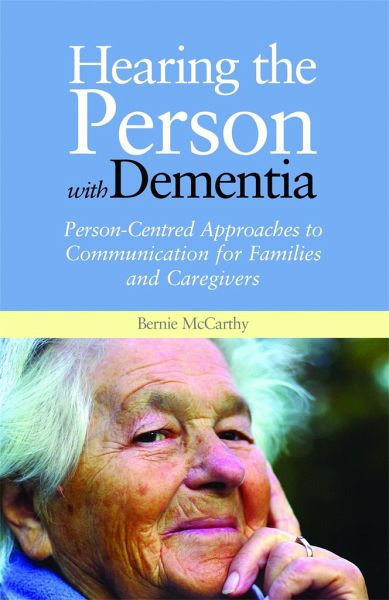
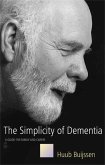
This book clearly explains what happens to communication as dementia progresses. Advocating a person-centred approach to dementia care, the author describes methods of verbal and non-verbal communication, techniques for communicating with people who cannot speak or move easily, and strategies for communicating more effectively.
This book clearly explains what happens to communication as dementia progresses. Advocating a person-centred approach to dementia care, the author describes methods of verbal and non-verbal communication, techniques for communicating with people who cannot speak or move easily, and strategies for communicating more effectively.
Bernie McCarthy is the founder of McCarthy Psychology Services, and is a registered clinical psychologist with a Master of Arts in Clinical Psychology from Melbourne University. He is also a Member of the Australian Psychological Society and the College of Clinical Psychologists. Bernie is a trainer in Dementia Care Mapping and conducts staff training in dementia care and other aspects of psychological wellbeing and culture change in health and aged care throughout Australia.
Inhaltsangabe
Introduction. 1. Communication. Sometimes it's a struggle. Dementia and the brain. Exercise 1.1. 2. The Person-centred Way - VIPS. VIPS - Value. Exercise 2.1. VIPS - Individual. Exercise 2.2. VIPS - Perspective. Exercise 2.3. VIPS - Social. Exercise 2.4. 3. Components of Communication. Empathy, imagination and defensiveness. Verbal communication. Exercise 3.1. Nonverbal communication. Exercise 3.2. 4. Relating with People who Cannot Speak or Move. Managing our own needs. Exercise 4.1. 5. Specific Situations. In the shower. At mealtimes. Dressing. Going to the toilet. Going out. Getting bored. Making mistakes. Exercise 5.1. 6. Caring About You. When you have reached your limit. Staying away from your limit. Keeping up your social life. Daily routine with space for your needs. Carers get depressed sometimes. What resources do you have? Exercise 6.1. Conclusion. Appendix. Signs of well-being. Signs of ill-being. References. Index.
Introduction. 1. Communication. Sometimes it's a struggle. Dementia and the brain. Exercise 1.1. 2. The Person-centred Way - VIPS. VIPS - Value. Exercise 2.1. VIPS - Individual. Exercise 2.2. VIPS - Perspective. Exercise 2.3. VIPS - Social. Exercise 2.4. 3. Components of Communication. Empathy, imagination and defensiveness. Verbal communication. Exercise 3.1. Nonverbal communication. Exercise 3.2. 4. Relating with People who Cannot Speak or Move. Managing our own needs. Exercise 4.1. 5. Specific Situations. In the shower. At mealtimes. Dressing. Going to the toilet. Going out. Getting bored. Making mistakes. Exercise 5.1. 6. Caring About You. When you have reached your limit. Staying away from your limit. Keeping up your social life. Daily routine with space for your needs. Carers get depressed sometimes. What resources do you have? Exercise 6.1. Conclusion. Appendix. Signs of well-being. Signs of ill-being. References. Index.
Es gelten unsere Allgemeinen Geschäftsbedingungen: www.buecher.de/agb
Impressum
www.buecher.de ist ein Internetauftritt der buecher.de internetstores GmbH
Geschäftsführung: Monica Sawhney | Roland Kölbl | Günter Hilger
Sitz der Gesellschaft: Batheyer Straße 115 - 117, 58099 Hagen
Postanschrift: Bürgermeister-Wegele-Str. 12, 86167 Augsburg
Amtsgericht Hagen HRB 13257
Steuernummer: 321/5800/1497
USt-IdNr: DE450055826