
Andere Kunden interessierten sich auch für
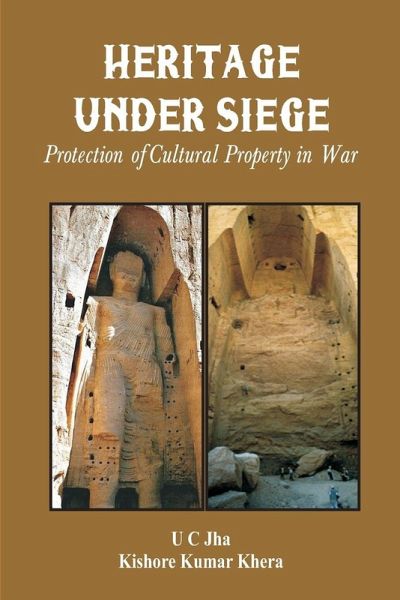
 Heritage Under Siege39,99 €
 Art and Cultural Heritage91,99 €
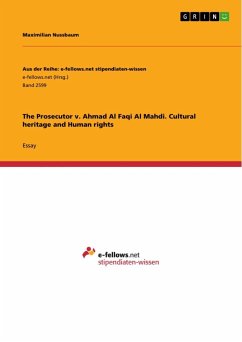
 The Prosecutor v. Ahmad Al Faqi Al Mahdi. Cultural heritage and Human rights15,95 €
 Use of Tangible Cultural Heritage Real Estate and Cultural Tourism36,99 €
 Kalibo Sto. Nino Ati-Atihan Festival:The Cultural Heritage of the Atis29,99 €
 Proceedings of the International Institute of Space Law 2022263,99 €
 Proceedings of the International Institute of Space Law 2023281,99 €
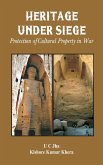
In armed conflicts around the world, including the ongoing Israel-Hamas and Russia-Ukraine; the impermissible targeting of cultural properties and religious sites has resulted in their destruction as well as the killing and maiming of innocents. Protecting cultural property during war is crucial for preserving humanity's heritage and identity. International humanitarian law, particularly the 1954 Hague Convention for the Protection of Cultural Property in the Event of Armed Conflict, provides a legal framework to safeguard cultural assets such as monuments, artworks, and religious sites. This convention mandates that all feasible measures be taken to protect cultural property from destruction or theft and requires warring parties to refrain from using such sites for military purposes.Despite these legal protections, cultural property remains vulnerable to intentional destruction, looting, and collateral damage during conflicts. To mitigate these risks, UNESCO and other international bodies work to raise awareness, implement protective measures, and facilitate the return of stolen artefacts. Protecting cultural property is not only about preserving the past but also about fostering peace, understanding, and reconciliation in post-conflict societies. This book takes a 360 view of all the relevant factors on this crucial aspect covering case studies from different parts of the world. The evolution of the legal framework for protecting cultural property is analysed in detail. Summation includes recommendations to conserve the inherited cultural property for future generations.