Andere Kunden interessierten sich auch für
 Hippolytos31,99 €
 Aias15,99 €
 Aias29,99 €
 Philoctetes19,99 €
 The Little Duke14,99 €
 The Little Duke18,99 €
 Andromache17,99 €




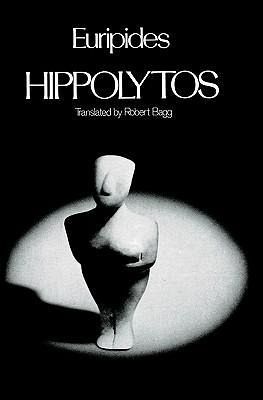
In most versions of the Hippolytos myth, Phaidra is depicted as an utterly debauched character, a woman reduced to shamelessness by the power of Aphrodite. In Euripides' Hippolytos, however--informed by the playwright's moral and religious fascination--we find a Phaidra resisting the goddess of love with all her strength, though in the end unsuccessfully. Phaidra becomes a tragic foil for Hippolytos, making his superhuman virtue at once believable and understandable. Robert Bagg's profound translation of this Euripidean masterpiece is idiomatic, natural, and intensely lyrical, designed not only to be read but performed. Unlike most versions, Bagg's Hippolytos sustains the dramatic tome and dynamics to the very end--even after Phaidra's death--and the moving scenes between Hippolytos and Theseus, and later Hippolytos' death-scene with Artemis, receive here unprecedented plausibility and power.
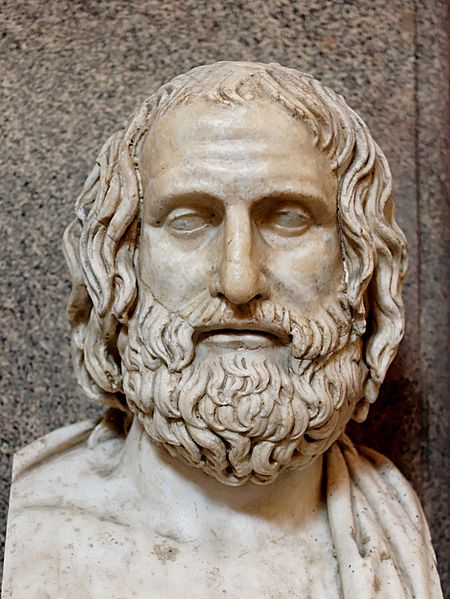
One of the greatest and most influential of the Greek tragedians, Euripides, is said to have produced 92 plays, the first of which appeared in 455BC.