
Andere Kunden interessierten sich auch für
 The Complete Classical Music Guide18,99 €
 Historical Dictionary of Choral Music228,99 €
 Historical Dictionary of Romantic Music277,99 €
 The Shortest History of Music14,99 €
 The Shortest History of Music16,99 €
 Historical Dictionary of Jazz162,99 €
 Stories to Tell15,99 €
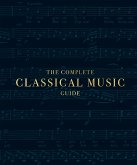
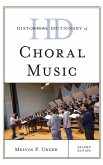


Although it lies far back, running roughly from about 1600 to 1750, the Baroque period is far from forgotten and Baroque music is played widely today as well, exercising numerous musicians and attracting rather substantial audiences. It experienced the emergence of a new sort of music, increasingly secular and increasingly good listening, if you will, and also the start of opera. Some of the Baroque composers appear among the most popular of all time, such as Bach, Handel and Vivaldi. So yes, this is a book for researchers, but it is also a good book for anyone who enjoys this music. The Historical Dictionary of Baroque Music certainly fills a significant space in the whole sub-series on music, since it tells us much more not only about the music but also the age that generated it. This is done particularly well in an insightful introduction, with the flow of events traced by the chronology. The dictionary section fills in the missing details with over 400 entries on the most important composers and musicians, some of the musical works themselves, important places and institutions, and a smattering of technical terms. The bibliography directs us to further reading.
The Historical Dictionary of Baroque Music covers the history of this period through a chronology, an introductory essay, and an extensive bibliography. The dictionary section has over 400 cross-referenced entries on the most important traditions, famous pieces, persons, places, technical terms, and institutions of Baroque music. This book is a vital reference tool for students and teachers of music history, students and teachers of the Western tradition, and above all for lovers of Baroque music.
The Historical Dictionary of Baroque Music covers the history of this period through a chronology, an introductory essay, and an extensive bibliography. The dictionary section has over 400 cross-referenced entries on the most important traditions, famous pieces, persons, places, technical terms, and institutions of Baroque music. This book is a vital reference tool for students and teachers of music history, students and teachers of the Western tradition, and above all for lovers of Baroque music.