
Andere Kunden interessierten sich auch für
 Where does so much passion come from?22,99 €
 The Shrubs of Northeastern America21,90 €
 Religious life and women's daily lives:27,99 €
 Cultures and Practices of Coexistence from the Thirteenth Through the Seventeenth Centuries137,99 €
 A Journey in Brazil36,90 €
 The Sacred Built24,99 €
 Brazil in Portugal64,99 €

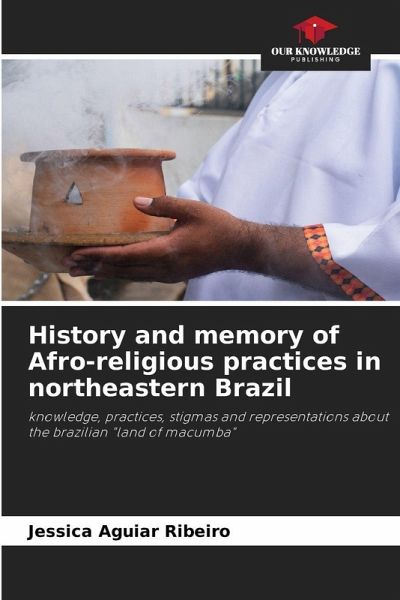
This study focuses on African-based religions in the city of Codó, located in the interior of the state of Maranhão, in northeastern Brazil. The research starts from the problem of understanding how Codó's representation as the 'land of macumba' was constructed and to what extent this designation - widely disseminated by the media - contributes to the reproduction of historical stigmas directed at terreiro peoples. The analysis is developed based on the trajectories of important local religious leaders, such as Maria Piauí and Wilson Nonato de Sousa, better known as Bita do Barão. The work also revisits academic productions on the subject, assessing the extent to which they reinforce or challenge this stigmatised view. To this end, bibliographic, hemerographic, oral, and audiovisual sources were analysed, which allowed for the visibility of the various layers of the problem. The central objective is to uncover the stigmas and generalisations associated with the notion of "terra da macumba" (land of macumba), while also reflecting on police persecution of magical-religious practices.