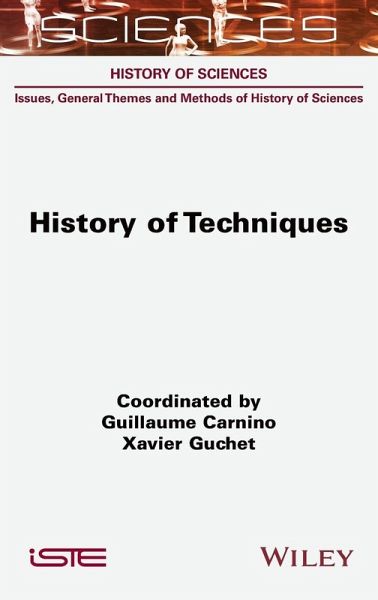
Over the past thirty years, the history of technology has been so extensively renewed that many once-canonical narratives have been invalidated. This collective work takes account of several of these major recompositions: ancient periods were never eras of technical stagnation; techniques are not "diffused", but interpenetrate and reinvent themselves as they travel; invention is not an individual epiphany, but a gradual and often collective process; far from neutral, the material is endowed with its own agentivity; the notions of capitalism, gender and the environment are fertile contributions…mehr
Over the past thirty years, the history of technology has been so extensively renewed that many once-canonical narratives have been invalidated. This collective work takes account of several of these major recompositions: ancient periods were never eras of technical stagnation; techniques are not "diffused", but interpenetrate and reinvent themselves as they travel; invention is not an individual epiphany, but a gradual and often collective process; far from neutral, the material is endowed with its own agentivity; the notions of capitalism, gender and the environment are fertile contributions to the history of techniques, and have served to invalidate many naiveties. These recent works have put an end to the discontinuous vision of a history made up of straightforward technical ruptures, in favor of more complex descriptions that provide a better grasp of the real dynamics of today's world.
Guillaume Carnino is Lecturer in the History of Technology at Compiègne University of Technology, France. As a nineteenth-century historian, his research interests include the epistemological and industrial foundations of technology. Xavier Guchet is Professor of Philosophy at Compiègne University of Technology, France. His work focuses on the history of the philosophy of technology and the epistemological and ethical challenges of new technologies.
Inhaltsangabe
Introduction ix Guillaume CARNINO and Xavier GUCHET Chapter 1. The Medieval Watermill: A History of Technology 1 Lisa CALISTE and Catherine VERNA 1.1. Introduction 1 1.2. The era of mills 2 1.3. What is a mill? 8 1.4. Mills and men 15 1.5. References 20 Chapter 2. China and the Global History of Techniques 29 Delphine SPICQ 2.1. Introduction 29 2.2. Diffusionist model 30 2.3. Circulation model (of techniques) and the cultural turn 33 2.4. Global history model 35 2.5. Conclusion 39 2.6. References 40 Chapter 3. Invention: Rehabilitating a Concept 43 Liliane HILAIRE-PÉREZ 3.1. Introduction 43 3.2. Technical intelligence in question 45 3.3. Banality of invention 48 3.4. Inventive labor 50 3.5. References 55 Chapter 4. Materials and the History of Techniques 61 Valérie NÈGRE 4.1. Introduction 61 4.2. A new understanding of innovation 65 4.3. Forms of knowledge based on matter? 68 4.4. Reintroducing techniques into culture 70 4.5. Conclusion 72 4.6. References 73 Chapter 5. Concepts of the History of Techniques: Technology 81 Eric SCHATZBERG 5.1. Introduction: an odd concept 81 5.2. History of technology or history of techniques? 82 5.3. Roots of the English-language concept of technology: an overview 87 5.4. Discourse of the arts from the ancient world to the enlightenment 90 5.5. Technology fills a semantic void 91 5.6. Technology triumphant 93 5.7. References 94 Chapter 6. Industry in the History of Techniques 97 Guillaume CARNINO 6.1. Introduction 97 6.2. Defining industry 99 6.3. "Industrial revolution" and industrialization 103 6.4. Know-how, grammatization and proletarization 112 6.5. References 119 Chapter 7. From Standards to Commodification (and Back Again): Histories of Technology and Capitalism 127 Joris MERCELIS 7.1. Introduction 127 7.2. Standards and standardization: economic and technological histories 130 7.3. Standardization and commodification 136 7.4. Conclusion 139 7.5. References 140 Chapter 8. History of Techniques and the Environment 147 Anaël MARREC 8.1. Introduction 147 8.2. Environment in the history of techniques (1960s-1990s): natural background, social context, resources 150 8.3. Environmental history and the history of techniques 155 8.4. Conclusion 161 8.5. References 162 Chapter 9. Techniques and Gender 169 Delphine GARDEY 9.1. Women, machines and progress 169 9.2. Tools, appropriation and qualification 170 9.3. Machinism, techniques and masculinities 172 9.4. Technical cultures and women's industries 173 9.5. Invent, innovate and undertake 174 9.6. Consume, choose and mobilize 175 9.7. Interpret, interact and socialize 176 9.8. Scripts, facts and identities 177 9.9. Communication, information technology and digital worlds 178 9.10. Self-techniques, sex/gender and sexualities 179 9.11. Detour, criticism and protest 180 9.12. References 181 Chapter 10. History of Techniques and Anthropology: Measure, Means, Mirror 189 Nathan SCHLANGER 10.1. Introduction 189 10.2. Techniques as a measure 192 10.3. Techniques as a means 195 10.4. Techniques as mirrors 201 10.5. References 205 Chapter 11. Philosophy and History of Techniques 211 Xavier GUCHET 11.1. Introduction 211 11.2. The beginnings of a dialogue between two young disciplines, from the 1970s onward 213 11.3. The "empirical turn" in the philosophy of technology and its impact on the relations between philosophers and historians of techniques 218 11.4. Before the 1970s 224 11.5. Concrete elements of interdisciplinary dialogue 227 11.6. Conclusion 230 11.7. References 232 List of Authors 235 Index 23
Introduction ix Guillaume CARNINO and Xavier GUCHET Chapter 1. The Medieval Watermill: A History of Technology 1 Lisa CALISTE and Catherine VERNA 1.1. Introduction 1 1.2. The era of mills 2 1.3. What is a mill? 8 1.4. Mills and men 15 1.5. References 20 Chapter 2. China and the Global History of Techniques 29 Delphine SPICQ 2.1. Introduction 29 2.2. Diffusionist model 30 2.3. Circulation model (of techniques) and the cultural turn 33 2.4. Global history model 35 2.5. Conclusion 39 2.6. References 40 Chapter 3. Invention: Rehabilitating a Concept 43 Liliane HILAIRE-PÉREZ 3.1. Introduction 43 3.2. Technical intelligence in question 45 3.3. Banality of invention 48 3.4. Inventive labor 50 3.5. References 55 Chapter 4. Materials and the History of Techniques 61 Valérie NÈGRE 4.1. Introduction 61 4.2. A new understanding of innovation 65 4.3. Forms of knowledge based on matter? 68 4.4. Reintroducing techniques into culture 70 4.5. Conclusion 72 4.6. References 73 Chapter 5. Concepts of the History of Techniques: Technology 81 Eric SCHATZBERG 5.1. Introduction: an odd concept 81 5.2. History of technology or history of techniques? 82 5.3. Roots of the English-language concept of technology: an overview 87 5.4. Discourse of the arts from the ancient world to the enlightenment 90 5.5. Technology fills a semantic void 91 5.6. Technology triumphant 93 5.7. References 94 Chapter 6. Industry in the History of Techniques 97 Guillaume CARNINO 6.1. Introduction 97 6.2. Defining industry 99 6.3. "Industrial revolution" and industrialization 103 6.4. Know-how, grammatization and proletarization 112 6.5. References 119 Chapter 7. From Standards to Commodification (and Back Again): Histories of Technology and Capitalism 127 Joris MERCELIS 7.1. Introduction 127 7.2. Standards and standardization: economic and technological histories 130 7.3. Standardization and commodification 136 7.4. Conclusion 139 7.5. References 140 Chapter 8. History of Techniques and the Environment 147 Anaël MARREC 8.1. Introduction 147 8.2. Environment in the history of techniques (1960s-1990s): natural background, social context, resources 150 8.3. Environmental history and the history of techniques 155 8.4. Conclusion 161 8.5. References 162 Chapter 9. Techniques and Gender 169 Delphine GARDEY 9.1. Women, machines and progress 169 9.2. Tools, appropriation and qualification 170 9.3. Machinism, techniques and masculinities 172 9.4. Technical cultures and women's industries 173 9.5. Invent, innovate and undertake 174 9.6. Consume, choose and mobilize 175 9.7. Interpret, interact and socialize 176 9.8. Scripts, facts and identities 177 9.9. Communication, information technology and digital worlds 178 9.10. Self-techniques, sex/gender and sexualities 179 9.11. Detour, criticism and protest 180 9.12. References 181 Chapter 10. History of Techniques and Anthropology: Measure, Means, Mirror 189 Nathan SCHLANGER 10.1. Introduction 189 10.2. Techniques as a measure 192 10.3. Techniques as a means 195 10.4. Techniques as mirrors 201 10.5. References 205 Chapter 11. Philosophy and History of Techniques 211 Xavier GUCHET 11.1. Introduction 211 11.2. The beginnings of a dialogue between two young disciplines, from the 1970s onward 213 11.3. The "empirical turn" in the philosophy of technology and its impact on the relations between philosophers and historians of techniques 218 11.4. Before the 1970s 224 11.5. Concrete elements of interdisciplinary dialogue 227 11.6. Conclusion 230 11.7. References 232 List of Authors 235 Index 23
Es gelten unsere Allgemeinen Geschäftsbedingungen: www.buecher.de/agb
Impressum
www.buecher.de ist ein Internetauftritt der buecher.de internetstores GmbH
Geschäftsführung: Monica Sawhney | Roland Kölbl | Günter Hilger
Sitz der Gesellschaft: Batheyer Straße 115 - 117, 58099 Hagen
Postanschrift: Bürgermeister-Wegele-Str. 12, 86167 Augsburg
Amtsgericht Hagen HRB 13257
Steuernummer: 321/5800/1497
USt-IdNr: DE450055826