
Andere Kunden interessierten sich auch für
 The House Committee on Foreign Affairs70,00 €
 Hearings On House Resolution No. 179, Authorizing the Committee On Labor to Investigate Conditions, Existing in Westmoreland Coal Fields of Pennsylvan27,99 €
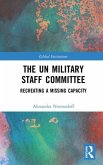
 The UN Military Staff Committee166,99 €
![Reports and Evidence of the Special Committee of the House of Assembly of Lower Canada [microform]]( "Reports and Evidence of the Special Committee of the House of Assembly of Lower Canada [microform]") Reports and Evidence of the Special Committee of the House of Assembly of Lower Canada [microform]32,99 €
Reports and Evidence of the Special Committee of the House of Assembly of Lower Canada [microform]32,99 € The International Committee of the Red Cross51,99 €
 Advisory and Technical Committee for Communications and Transit. Replies of the Governments to27,99 €
 A Project to Be Submitted to a Committee of the Legislature for the Relief of Broadway, by G.M.W. October 5Th, 186628,99 €
![Reports and Evidence of the Special Committee of the House of Assembly of Lower Canada [microform]](https://bilder.buecher.de/produkte/65/65528/65528750m.jpg "Reports and Evidence of the Special Committee of the House of Assembly of Lower Canada [microform]")

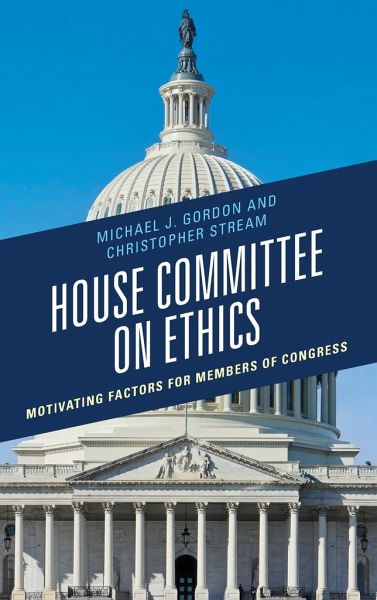
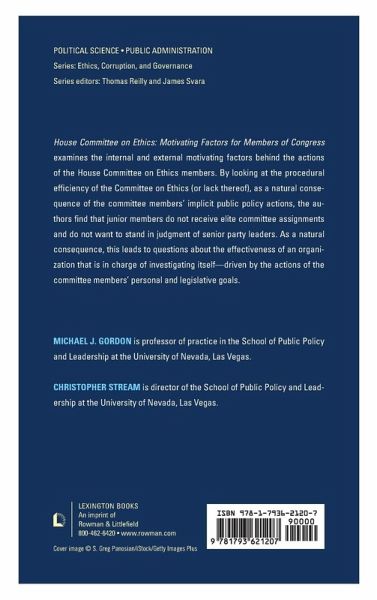
The authors examine the internal and external motivating factors behind the actions of the House Committee on Ethics members by looking at the procedural efficiency of the Committee on Ethics (or lack thereof), as a natural consequence of the committee members' implicit public policy actions.