

Andere Kunden interessierten sich auch für
 Making Minds and Madness49,99 €
 Reading Minds48,99 €
 Talking Minds29,99 €
 Emerging Minds71,99 €
 Making Minds and Madness68,99 €
 33 Short Stories in a NutShell22,99 €
 Soul Stories20,99 €

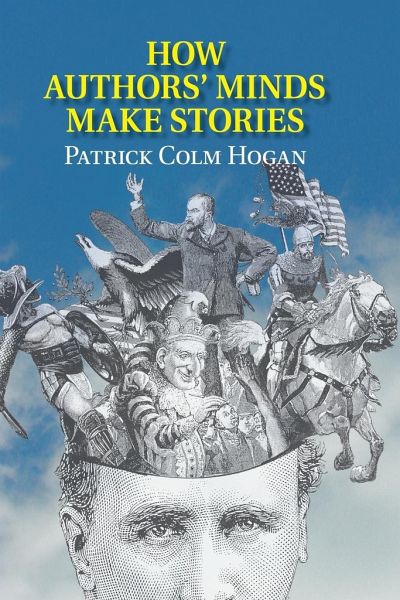
This book explores how the creations of great authors result from the same operations as our everyday counterfactual and hypothetical imaginations, which cognitive scientists refer to as 'simulations'. Drawing on detailed literary analyses as well as recent research in neuroscience and related fields, Patrick Colm Hogan develops a rigorous theory of the principles governing simulation that goes beyond any existing framework. He examines the functions and mechanisms of narrative imagination, with particular attention to the role of theory of mind, and relates this analysis to narrative universals. In the course of this theoretical discussion, Hogan explores works by Austen, Faulkner, Shakespeare, Racine, Brecht, Kafka and Calvino. He pays particular attention to the principles and parameters defining an author's narrative idiolect, examining the cognitive and emotional continuities that span an individual author's body of work.