
Andere Kunden interessierten sich auch für
 Partisan Hostility and American Democracy38,99 €
 Parties and Prejudice40,99 €
 Radical American Partisanship22,99 €
 The Hispanic Republican18,99 €
 The Puppeteers42,99 €
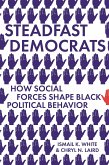
 Steadfast Democrats20,99 €
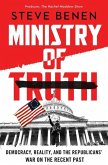
 Ministry of Truth24,99 €


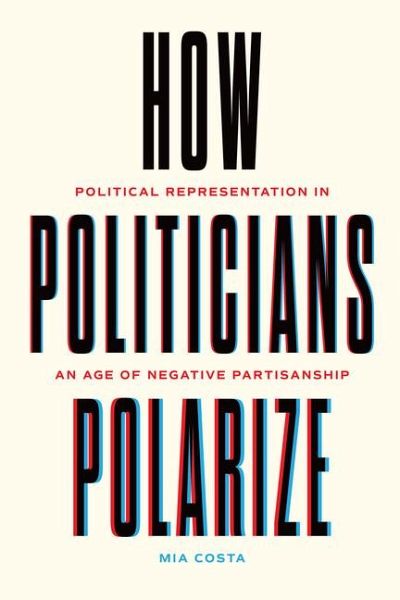
A fresh examination of political representation in an era of negative partisanship. What does representation look like when politicians focus on "othering" the opposing party rather than the policy interests of their constituents? How do voters react to negative partisan rhetoric? And is policy responsiveness still the cornerstone of American representative democracy? In How Politicians Polarize, Mia Costa draws on survey experiments, analysis of congressional newsletters and tweets, and data on fundraising and media coverage to examine how and why politicians rely so often on negative partisan attacks. Costa shows that most Americans do not like negative rhetoric, and politicians know this. Nonetheless, these kinds of attacks can reap powerful rewards from national media, donors, and party elites. Costa's findings challenge the popular notion that Americans are motivated more by their partisan identities than by policy representation. Her research illuminates how the political ecosystem rewards negative representation and how this affects the quality of American democracy.