
Andere Kunden interessierten sich auch für
 Branding To Win48,99 €
 How to Win at CRM58,99 €
 Extra Mile60,99 €
 Strategic Innovation and Sustainable Customer-Centric Growth163,99 €
 A Complaint Is a Gift, 3rd Edition36,99 €
 Frosted with Care16,99 €
 Retail Supply Chain Management48,99 €


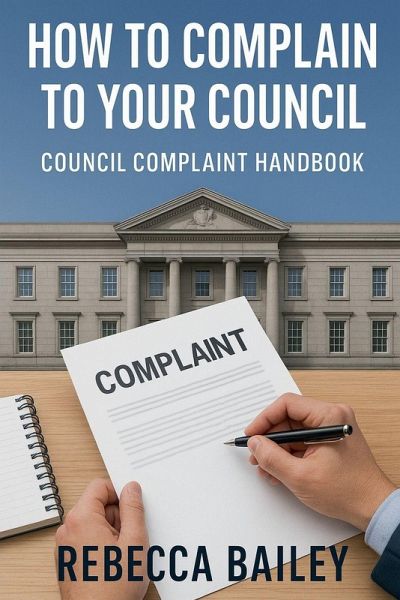
Do you feel ignored by your council? Are you tired of being passed from one officer to another with no answers, no clarity, and no progress? You are not alone. And you do not have to struggle through the complaints process on your own. How to Complain to Your Council is a clear and practical handbook that shows you exactly how to raise issues, organise your evidence, structure your complaint, and get fair outcomes. Councils deal with thousands of enquiries every week. Mistakes happen. Communication breaks down. Decisions are rushed. Important details are missed. But when you know your rights and understand how the process works, you stay in control. This book gives you that control. Inside, you will learn how to write a strong complaint that is taken seriously from the start. You will understand what Stage One and Stage Two should look like, what a fair investigation involves, and what every complaint response must include. You will see how councils assess cases, how they should communicate with you, and how to challenge poor responses without stress or confusion. The book also explains how the Local Government and Social Care Ombudsman works, when you can escalate, and what the Ombudsman expects to see in a well-prepared complaint. Rebecca Bailey explains the entire process in plain language. She shows you how to describe issues clearly, how to use evidence effectively, and how to avoid the common mistakes that weaken complaints. You will learn how to build timelines, keep organised records, and present information in a way that makes it easy for councils to understand what went wrong. You will also see real-style case studies that show how the principles work in practice, helping you recognise unfair handling, delays, poor communication, and incorrect decisions. Council services are broad, and this book covers the most common areas where things go wrong, including housing, repairs, allocations, waste services, anti-social behaviour, parking, benefits, environmental health, and customer service issues. Each section breaks down how councils make decisions, what they should take into account, and how you can challenge outcomes that are unclear or incorrect. This handbook is designed for anyone who needs answers from their council and keeps hitting barriers. Whether you have been ignored, given conflicting information, or left waiting for months, this book explains how to stay calm, stay organised, and stay in control. Fair outcomes depend on clear communication, strong evidence, and a structured approach. This book shows you how to do all three. If you want to understand your rights, avoid unnecessary delays, and make the complaints system work for you, this is the guide you need. How to Complain to Your Council gives you the confidence to raise issues properly, challenge unfair decisions, and get problems fixed.