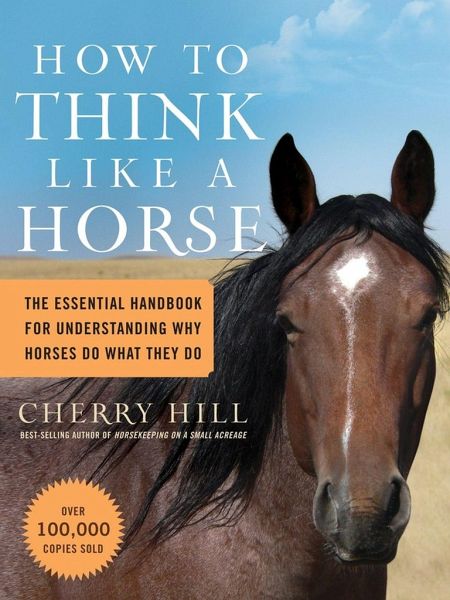
Cherry Hill is an internationally known instructor and horse trainer and has written numerous books, including 101 Arena Exercises for Horse & Rider, Horsekeeping on a Small Acreage, How to Think Like a Horse, What Every Horse Should Know, and Horse Care for Kids. Visit her at www.horsekeeping.com, where you can find information on her books, DVDs, and horsekeeping knowledge.
Inhaltsangabe
Chapter 1: Becoming The Horse Why Think Like a Horse? What a Horse Needs What Horses Don't Like Humans and Horses How to Become Part Horse Chapter 2: The Horse's Senses Vision Hearing Smell and Taste Touch Reflexes Proprioceptive Sense Chapter 3: The Physical Horse Seasonal Changes Digestive System Skeletal System Hoof Growth Chapter 4: The Nature of the Horse Bonding Pecking Order The Battle of the Sexes Horse Play Curiosity or the Investigative Behavior The Nomadic Lifestyle Chapter 5: Routines The Horse's Biological Clock Shelter Self-Preservation Chapter 6: Good Behavior, "Bad" Behavior The Spirit of the Horse Temperament and Attitude Natural Horsekeeping Domestication Pressures Chapter 7: Horse Timelines Life-Stage Characteristics Development Timelines Chapter 8: Communication Reading a Horse's Body Language The Subtleties Vocal Language How to Communicate with Your Horse Voice Commands Chapter 9: Learning The Brain Mental Processes Learning Principles Behavior Modification Behavior Modification Techniques Repetition Shaping Chapter 10: Training Training Philosophy Training Goals Physical Development Content of a Training Session A Typical Training Session Epilogue Glossary Recommended Reading Index
Chapter 1: Becoming The Horse Why Think Like a Horse? What a Horse Needs What Horses Don't Like Humans and Horses How to Become Part Horse Chapter 2: The Horse's Senses Vision Hearing Smell and Taste Touch Reflexes Proprioceptive Sense Chapter 3: The Physical Horse Seasonal Changes Digestive System Skeletal System Hoof Growth Chapter 4: The Nature of the Horse Bonding Pecking Order The Battle of the Sexes Horse Play Curiosity or the Investigative Behavior The Nomadic Lifestyle Chapter 5: Routines The Horse's Biological Clock Shelter Self-Preservation Chapter 6: Good Behavior, "Bad" Behavior The Spirit of the Horse Temperament and Attitude Natural Horsekeeping Domestication Pressures Chapter 7: Horse Timelines Life-Stage Characteristics Development Timelines Chapter 8: Communication Reading a Horse's Body Language The Subtleties Vocal Language How to Communicate with Your Horse Voice Commands Chapter 9: Learning The Brain Mental Processes Learning Principles Behavior Modification Behavior Modification Techniques Repetition Shaping Chapter 10: Training Training Philosophy Training Goals Physical Development Content of a Training Session A Typical Training Session Epilogue Glossary Recommended Reading Index
Es gelten unsere Allgemeinen Geschäftsbedingungen: www.buecher.de/agb
Impressum
www.buecher.de ist ein Internetauftritt der buecher.de internetstores GmbH
Geschäftsführung: Monica Sawhney | Roland Kölbl | Günter Hilger
Sitz der Gesellschaft: Batheyer Straße 115 - 117, 58099 Hagen
Postanschrift: Bürgermeister-Wegele-Str. 12, 86167 Augsburg
Amtsgericht Hagen HRB 13257
Steuernummer: 321/5800/1497
USt-IdNr: DE450055826