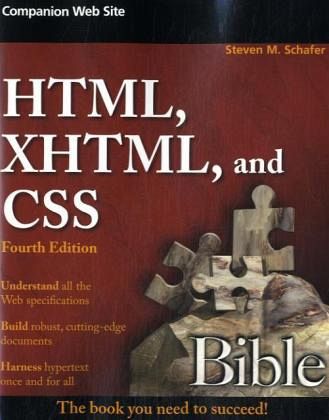
Preparing readers for the key Web authoring standards of HTML, XHTML, and CSS, this book shows the role of each of these topics in Web 2.0 type pages such as blogs and social networks Shows the way to the future with the role of HTML, XHTML, and CSS in social networking sites, Web 2.0, and the coming modernization of XHTML 2.0. Engages the reader through its approachable writing, visual examples showing the results of the code being discussed, and an improved organization that reduces the need for extensive cross-referencing. Some of the specific topics covered include validating HTML and…mehr
Preparing readers for the key Web authoring standards of HTML, XHTML, and CSS, this book shows the role of each of these topics in Web 2.0 type pages such as blogs and social networks Shows the way to the future with the role of HTML, XHTML, and CSS in social networking sites, Web 2.0, and the coming modernization of XHTML 2.0. Engages the reader through its approachable writing, visual examples showing the results of the code being discussed, and an improved organization that reduces the need for extensive cross-referencing. Some of the specific topics covered include validating HTML and XHTML; dynamic content with CSS; the relationship between HTML, XHTML, XML, and XHTML 2.0; creating Web pages for mobile devices with XHTML Basic; and helpful solutions to common Web coding problems. Covers a gamut of HTML topics, such as: documents, elements, entities, values and units, META tags and headers, links, images, tables, frames, forms, multimedia, and internationalization/localization
Die Herstellerinformationen sind derzeit nicht verfügbar.
Autorenporträt
Steven M. Schafer is a veteran of technology and publishing. He programs in several languages, works with a variety of technologies, and has been published in several technical publications and articles. He currently is the COOO/CTO for Progeny, and open source-based service and support company.
Inhaltsangabe
Introduction. Part I Creating Content with HTML. Chapter 1: What Is Markup Language and Why do I Care? Chapter 2: HTML Values and Units. Chapter 3: What Goes into a Web Document? Chapter 4: The HEAD Elements. Chapter 5: Text Structuring Essentials. Chapter 6: Character Formatting Essentials. Chapter 7: Lists. Chapter 8: Links. Chapter 9: Tables. Chapter 10: Frames. Chapter 11: Forms. Chapter 12: Colors and Images. Chapter 13: Multimedia. Chapter 14: Special Characters. Chapter 15: Internationalization and Localization. Chapter 16: Scripts. Chapter 17: Dynamic HTML. Part II HTML Tools and Variants. Chapter 18: Web Development Software. Chapter 19: Publishing Your Site. Chapter 20: Data Connectivity with Microformats. Chapter 21: An Introduction To XML. Chapter 22: Creating Mobile Web Pages. Chapter 23: Tidying and Validating your Documents. Chapter 24: HTML Tips and Tricks. Part III Controlling Presentation with CSS. Chapter 25: CSS Basics. Chapter 26: Style Definitions. Chapter 27: CSS Values and Units. Chapter 28: CSS Inheritance and Cascade. Chapter 29: Font Properties. Chapter 30: Text Formatting. Chapter 31: CSS Lists. Chapter 32: Padding, Margins, and Borders. Chapter 33: Colors and Backgrounds. Chapter 34: CSS Layouts with Floating and Positioning. Chapter 35: Pseudo-Elements and Generated Content. Chapter 36: Dynamic HTML with CSS. Chapter 37: Media Styles and Defining Documents for Printing. Part IV Additional CSS Tools. Chapter 38: Formatting with HTML Tables. Chapter 39: User Interface Styles. Chapter 40: Testing and Validating CSS. Chapter 41: CSS Tips and Tricks. Appendix A: HTML Element Quick Reference. Appendix B: HTML Special Characters Quick Reference. Appendix C: CSS Properties Quick Reference. Appendix D: CSS Selectors Quick Reference. Appendix E: Pseudo-Elements and Pseudo-Classes Quick Reference. Index.
Introduction. Part I Creating Content with HTML. Chapter 1: What Is Markup Language and Why do I Care? Chapter 2: HTML Values and Units. Chapter 3: What Goes into a Web Document? Chapter 4: The HEAD Elements. Chapter 5: Text Structuring Essentials. Chapter 6: Character Formatting Essentials. Chapter 7: Lists. Chapter 8: Links. Chapter 9: Tables. Chapter 10: Frames. Chapter 11: Forms. Chapter 12: Colors and Images. Chapter 13: Multimedia. Chapter 14: Special Characters. Chapter 15: Internationalization and Localization. Chapter 16: Scripts. Chapter 17: Dynamic HTML. Part II HTML Tools and Variants. Chapter 18: Web Development Software. Chapter 19: Publishing Your Site. Chapter 20: Data Connectivity with Microformats. Chapter 21: An Introduction To XML. Chapter 22: Creating Mobile Web Pages. Chapter 23: Tidying and Validating your Documents. Chapter 24: HTML Tips and Tricks. Part III Controlling Presentation with CSS. Chapter 25: CSS Basics. Chapter 26: Style Definitions. Chapter 27: CSS Values and Units. Chapter 28: CSS Inheritance and Cascade. Chapter 29: Font Properties. Chapter 30: Text Formatting. Chapter 31: CSS Lists. Chapter 32: Padding, Margins, and Borders. Chapter 33: Colors and Backgrounds. Chapter 34: CSS Layouts with Floating and Positioning. Chapter 35: Pseudo-Elements and Generated Content. Chapter 36: Dynamic HTML with CSS. Chapter 37: Media Styles and Defining Documents for Printing. Part IV Additional CSS Tools. Chapter 38: Formatting with HTML Tables. Chapter 39: User Interface Styles. Chapter 40: Testing and Validating CSS. Chapter 41: CSS Tips and Tricks. Appendix A: HTML Element Quick Reference. Appendix B: HTML Special Characters Quick Reference. Appendix C: CSS Properties Quick Reference. Appendix D: CSS Selectors Quick Reference. Appendix E: Pseudo-Elements and Pseudo-Classes Quick Reference. Index.
Es gelten unsere Allgemeinen Geschäftsbedingungen: www.buecher.de/agb
Impressum
www.buecher.de ist ein Internetauftritt der buecher.de internetstores GmbH
Geschäftsführung: Monica Sawhney | Roland Kölbl | Günter Hilger
Sitz der Gesellschaft: Batheyer Straße 115 - 117, 58099 Hagen
Postanschrift: Bürgermeister-Wegele-Str. 12, 86167 Augsburg
Amtsgericht Hagen HRB 13257
Steuernummer: 321/5800/1497
USt-IdNr: DE450055826