
- Broschiertes Buch
- Merkliste
- Auf die Merkliste
- Bewerten Bewerten
- Teilen
- Produkt teilen
- Produkterinnerung
- Produkterinnerung
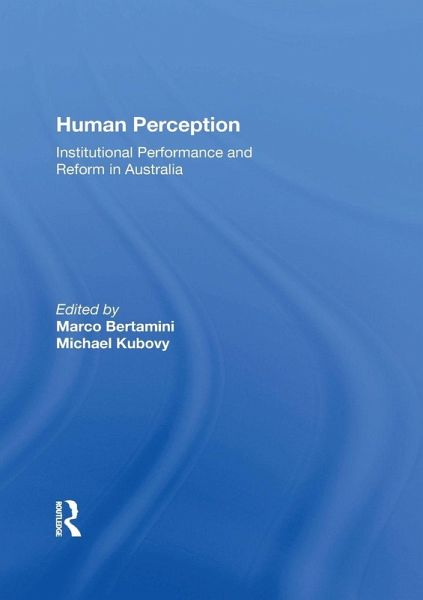
It was in the 20th century and after the establishment of psychology as a scientific discipline that the study of perception flourished. This important volume gathers together a selection of articles and essays which represent some of the most interesting discoveries and theories.
Andere Kunden interessierten sich auch für
Talis Bachmann (University of Tartu, Tartu, Estonia)Perception of Pixelated Images44,99 €
Figural Synthesis144,99 €
Perception as Information Detection53,99 €
Brianna ChesserConsent, Stealthing and Desire-Based Contracting in the Criminal Law21,99 €
Bence NanayCurrent Controversies in Philosophy of Perception46,99 €
Current Controversies in Philosophy of Cognitive Science46,99 €
Remi Cresson (IRSTEA / INRAE / UMR TETIS)Deep Learning for Remote Sensing Images with Open Source Software55,99 €-
-
-
It was in the 20th century and after the establishment of psychology as a scientific discipline that the study of perception flourished. This important volume gathers together a selection of articles and essays which represent some of the most interesting discoveries and theories.
Produktdetails
- Produktdetails
- Verlag: Taylor & Francis Ltd
- Seitenzahl: 516
- Erscheinungstermin: 28. Februar 2022
- Englisch
- Abmessung: 246mm x 174mm x 28mm
- Gewicht: 854g
- ISBN-13: 9781138355972
- ISBN-10: 1138355976
- Artikelnr.: 63658533
- Herstellerkennzeichnung
- Libri GmbH
- Europaallee 1
- 36244 Bad Hersfeld
- gpsr@libri.de
- Verlag: Taylor & Francis Ltd
- Seitenzahl: 516
- Erscheinungstermin: 28. Februar 2022
- Englisch
- Abmessung: 246mm x 174mm x 28mm
- Gewicht: 854g
- ISBN-13: 9781138355972
- ISBN-10: 1138355976
- Artikelnr.: 63658533
- Herstellerkennzeichnung
- Libri GmbH
- Europaallee 1
- 36244 Bad Hersfeld
- gpsr@libri.de
Marco Bertamini University of Liverpool, Michael Kubovy University of Virginia, USA.
Contents: Series Preface; Introduction. Part I Attention: A feature-integration theory of attention
Anne M Treisman and Garry Gelade; Attention and the detection of signals
Michael I. Posner
Charles R.R. Snyder and Brian J. Davidson; Abrupt visual onsets and selective attention: voluntary versus automatic allocation
Steven Yantis and John Jonides; What attributes guide the deployment of visual attention and how do they do it
Jeremy M. Wolfe and Todd S. Horowitz. Part II Brain Systems: Implications of sustained and transient channels for theories of visual pattern masking
saccadic suppression
and information processing
Bruno G. Breitmeyer and Leo Ganz; Neuronal correlates of subjective visual-perception
Nikos K. Logothetis and Jeffrey D. Schall; Separate visual pathways for perception and action
Melvyn A Goodale and A. David Milner. Part III Object Interpolation and Completion: Subjective contours
Gaetano Kanizsa; Perceiving objects across gaps in time and space
Philip J. Kellman and Thomas F. Shipley; Infants' physical world
Ren Baillargeon. Part IV Object Recognition and Classification: Objects
parts
and categories
Barbara Tversky and Kathleen Hemenway; Parts of recognition
D.D. Hoffman and W.A. Richards; Recognition-by-components: a theory of human image understanding
Irving Biederman. Part V Different Types of Objects: What is 'special' about face perception?
Martha J. Farah
Kevin D. Wilson
Maxwell Drain and James N.Tanaka; The reviewing of object files: object-specific integration of information
Daniel Kahneman
Anne Treisman and Brian J. Gibbs; Auditory and visual objects
Michael Kubovy and David Van Valkenburg; The shape of holes
Marco Bertamini and Camilla J. Croucher. Part VI Information Processing and Models: The discovery of processing stages: extensions of Donder's method
Saul Sternberg Ecological constraints on internal representation: resonant kinematics of perceiving
imagining
thinking
and dreaming
Roger N. Shepard; Neu
Anne M Treisman and Garry Gelade; Attention and the detection of signals
Michael I. Posner
Charles R.R. Snyder and Brian J. Davidson; Abrupt visual onsets and selective attention: voluntary versus automatic allocation
Steven Yantis and John Jonides; What attributes guide the deployment of visual attention and how do they do it
Jeremy M. Wolfe and Todd S. Horowitz. Part II Brain Systems: Implications of sustained and transient channels for theories of visual pattern masking
saccadic suppression
and information processing
Bruno G. Breitmeyer and Leo Ganz; Neuronal correlates of subjective visual-perception
Nikos K. Logothetis and Jeffrey D. Schall; Separate visual pathways for perception and action
Melvyn A Goodale and A. David Milner. Part III Object Interpolation and Completion: Subjective contours
Gaetano Kanizsa; Perceiving objects across gaps in time and space
Philip J. Kellman and Thomas F. Shipley; Infants' physical world
Ren Baillargeon. Part IV Object Recognition and Classification: Objects
parts
and categories
Barbara Tversky and Kathleen Hemenway; Parts of recognition
D.D. Hoffman and W.A. Richards; Recognition-by-components: a theory of human image understanding
Irving Biederman. Part V Different Types of Objects: What is 'special' about face perception?
Martha J. Farah
Kevin D. Wilson
Maxwell Drain and James N.Tanaka; The reviewing of object files: object-specific integration of information
Daniel Kahneman
Anne Treisman and Brian J. Gibbs; Auditory and visual objects
Michael Kubovy and David Van Valkenburg; The shape of holes
Marco Bertamini and Camilla J. Croucher. Part VI Information Processing and Models: The discovery of processing stages: extensions of Donder's method
Saul Sternberg Ecological constraints on internal representation: resonant kinematics of perceiving
imagining
thinking
and dreaming
Roger N. Shepard; Neu
Contents: Series Preface; Introduction. Part I Attention: A feature-integration theory of attention
Anne M Treisman and Garry Gelade; Attention and the detection of signals
Michael I. Posner
Charles R.R. Snyder and Brian J. Davidson; Abrupt visual onsets and selective attention: voluntary versus automatic allocation
Steven Yantis and John Jonides; What attributes guide the deployment of visual attention and how do they do it
Jeremy M. Wolfe and Todd S. Horowitz. Part II Brain Systems: Implications of sustained and transient channels for theories of visual pattern masking
saccadic suppression
and information processing
Bruno G. Breitmeyer and Leo Ganz; Neuronal correlates of subjective visual-perception
Nikos K. Logothetis and Jeffrey D. Schall; Separate visual pathways for perception and action
Melvyn A Goodale and A. David Milner. Part III Object Interpolation and Completion: Subjective contours
Gaetano Kanizsa; Perceiving objects across gaps in time and space
Philip J. Kellman and Thomas F. Shipley; Infants' physical world
Ren Baillargeon. Part IV Object Recognition and Classification: Objects
parts
and categories
Barbara Tversky and Kathleen Hemenway; Parts of recognition
D.D. Hoffman and W.A. Richards; Recognition-by-components: a theory of human image understanding
Irving Biederman. Part V Different Types of Objects: What is 'special' about face perception?
Martha J. Farah
Kevin D. Wilson
Maxwell Drain and James N.Tanaka; The reviewing of object files: object-specific integration of information
Daniel Kahneman
Anne Treisman and Brian J. Gibbs; Auditory and visual objects
Michael Kubovy and David Van Valkenburg; The shape of holes
Marco Bertamini and Camilla J. Croucher. Part VI Information Processing and Models: The discovery of processing stages: extensions of Donder's method
Saul Sternberg Ecological constraints on internal representation: resonant kinematics of perceiving
imagining
thinking
and dreaming
Roger N. Shepard; Neu
Anne M Treisman and Garry Gelade; Attention and the detection of signals
Michael I. Posner
Charles R.R. Snyder and Brian J. Davidson; Abrupt visual onsets and selective attention: voluntary versus automatic allocation
Steven Yantis and John Jonides; What attributes guide the deployment of visual attention and how do they do it
Jeremy M. Wolfe and Todd S. Horowitz. Part II Brain Systems: Implications of sustained and transient channels for theories of visual pattern masking
saccadic suppression
and information processing
Bruno G. Breitmeyer and Leo Ganz; Neuronal correlates of subjective visual-perception
Nikos K. Logothetis and Jeffrey D. Schall; Separate visual pathways for perception and action
Melvyn A Goodale and A. David Milner. Part III Object Interpolation and Completion: Subjective contours
Gaetano Kanizsa; Perceiving objects across gaps in time and space
Philip J. Kellman and Thomas F. Shipley; Infants' physical world
Ren Baillargeon. Part IV Object Recognition and Classification: Objects
parts
and categories
Barbara Tversky and Kathleen Hemenway; Parts of recognition
D.D. Hoffman and W.A. Richards; Recognition-by-components: a theory of human image understanding
Irving Biederman. Part V Different Types of Objects: What is 'special' about face perception?
Martha J. Farah
Kevin D. Wilson
Maxwell Drain and James N.Tanaka; The reviewing of object files: object-specific integration of information
Daniel Kahneman
Anne Treisman and Brian J. Gibbs; Auditory and visual objects
Michael Kubovy and David Van Valkenburg; The shape of holes
Marco Bertamini and Camilla J. Croucher. Part VI Information Processing and Models: The discovery of processing stages: extensions of Donder's method
Saul Sternberg Ecological constraints on internal representation: resonant kinematics of perceiving
imagining
thinking
and dreaming
Roger N. Shepard; Neu