
Andere Kunden interessierten sich auch für
 Dreams, Nightmares and Empty Signifiers80,20 €
 Space in Literature76,30 €
 Mediating the World in the Novels of Iain Banks83,00 €
 Strange Vistas60,45 €
modern Chronotopes:") Paul Auster's (Post)modern Chronotopes:49,95 €
Paul Auster's (Post)modern Chronotopes:49,95 € Intertextual Transactions in Contemporary British Fiction55,60 €
 H. G. Wells: The Literary Traveller in His Fantastic Short Story Machine83,00 €

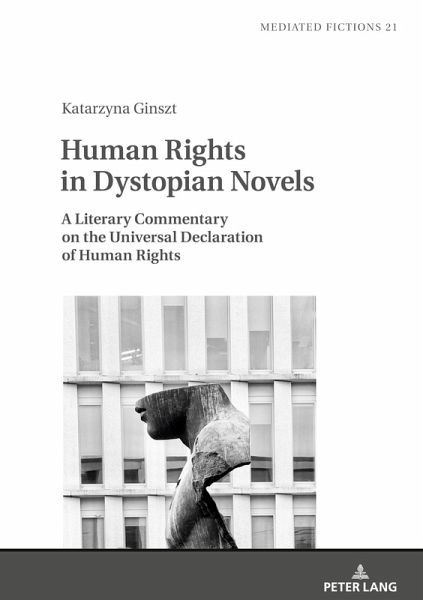
This book bridges international human rights law and literary studies by examining dystopian novels through the lens of the Universal Declaration of Human Rights (UDHR). The author analyses classical dystopias and a selection of feminist dystopias, exploring depictions of human rights violations and gender-based discrimination in fiction. The book deconstructs dystopian societies, revealing mechanisms of oppression and highlighting literature's legal and social relevance. Structured like legal commentaries, it offers both theoretical and practical analyses of UDHR provisions. Each article is discussed and interpreted in accordance with legal scholarship and linked to cases drawn from dystopian literature.