As digital technologies transform governance, communication, and public life, human rights frameworks must adapt to new challenges and opportunities. This book explores four fundamental questions: how digitalisation changes the application of human rights, how human rights law can respond to the challenges of digital technology, how freedom of expression applies online, and how vulnerable groups are affected by digitalisation. With contributions from leading scholars, the book combines legal analysis with insights from ethics, environmental education, and medical research. It examines critical…mehr
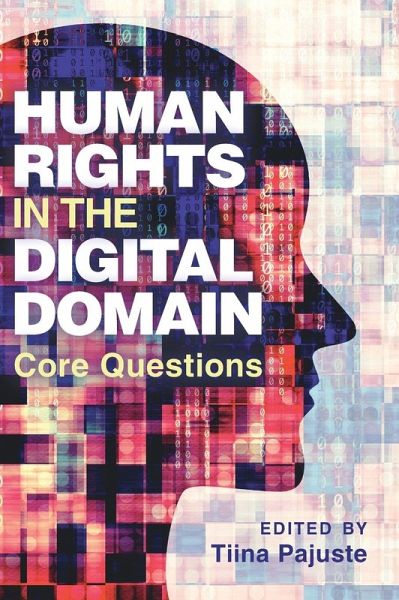
As digital technologies transform governance, communication, and public life, human rights frameworks must adapt to new challenges and opportunities. This book explores four fundamental questions: how digitalisation changes the application of human rights, how human rights law can respond to the challenges of digital technology, how freedom of expression applies online, and how vulnerable groups are affected by digitalisation. With contributions from leading scholars, the book combines legal analysis with insights from ethics, environmental education, and medical research. It examines critical topics such as AI regulation, platform accountability, privacy protections, and disinformation, offering an interdisciplinary and international perspective. By balancing different viewpoints, this book helps readers navigate the complexities of human rights in the digital age. It is an essential resource for anyone seeking to understand and shape the evolving landscape of digital rights and governance. This title is also available as open access on Cambridge Core.
Part I. Adapting Human Rights to a Digital World: 1. Introduction Tiina Pajuste; 2. Is there a need for new digital human rights in AI governance? Wolfgang Benedek; 3. Why and how the state should regulate the internet C. H. Powell; 4. How to tame the 'Digital' shrew: constitutional rights going online Violeta Besirevic; 5. How do we decide whether moving online makes a difference? Johanas Baltrimas; 6. Some reflections on the non-coherence theory of digital human rights Mart Susi; 7. Internet addiction as a human rights issue Vygant Milai t ; 8. Just don t get caught! Barbora Bäurová; Part II. Freedom of Expression in the Digital Domain: How should Freedom of Expression be Applied in the Digital Environment? Tiina Pajuste; 9. Freedom of expression and positive obligations of the state in social media Art rs Ku s; 10. The development of new media doctrines on freedom of expression: how to defend democratic society and the rule of Llaw Jukka Viljanen and Tomoe Watashiba; 11. Disinfodemic threats. real, false and fake news: a contribution to fight disinformation without affecting the freedom of expression Oscar Puccinelli; 12. Online freedom of expression: a new EU imperialism? Philippe Jougleux; Part III. Challenges Posed by Digital Technologies: How Should Human Rights Law Respond to the Challenges of Digital Technologies? Tiina Pajuste; 13. The paradox of digitalisation in the case of the covid apps - what lessons can we learn from this strange experience? Paula Veiga; 14. Aerial surveillance in the digital age: drone related privacy concerns and the protection of other human rights Skirgail alimien and Saulius Stonkus; 15. Online disinformation, microtargeting, and freedom of expression: moving beyond human rights law? Birgit Schippers; 16. Digital boom - current issues from international investment to human rights Cristina Elena Popa Tache, C t lin-Silviu S raru and Sergio de Souza Salles; Part IV. Challenges Faced by Vulnerable Groups: What Additional Challenges do Vulnerable Groups Face in the Digital Realm? Tiina Pajuste; 17. The digital divide - reinforcing vulnerabilities Tiina Pajuste; 18. How the EU safeguards children's rights in the digital environment: an exploratory analysis of the EU digital services act and the artificial intelligence act Eva Lievens and Valerie Verdoodt; 19. Right to education in regional or minority languages: invasions, Covid-19 pandemic and other developments Vesna Crni -Groti ; 20. Technological acceleration and the precarisation of work: reflections on social justice, the right to life, and environmental education Raizza da Costa Lopes, Samuel Lopes Pinheiro and Florent Pasquier.
Part I. Adapting Human Rights to a Digital World: 1. Introduction Tiina Pajuste; 2. Is there a need for new digital human rights in AI governance? Wolfgang Benedek; 3. Why and how the state should regulate the internet C. H. Powell; 4. How to tame the 'Digital' shrew: constitutional rights going online Violeta Besirevic; 5. How do we decide whether moving online makes a difference? Johanas Baltrimas; 6. Some reflections on the non-coherence theory of digital human rights Mart Susi; 7. Internet addiction as a human rights issue Vygant Milai t ; 8. Just don t get caught! Barbora Bäurová; Part II. Freedom of Expression in the Digital Domain: How should Freedom of Expression be Applied in the Digital Environment? Tiina Pajuste; 9. Freedom of expression and positive obligations of the state in social media Art rs Ku s; 10. The development of new media doctrines on freedom of expression: how to defend democratic society and the rule of Llaw Jukka Viljanen and Tomoe Watashiba; 11. Disinfodemic threats. real, false and fake news: a contribution to fight disinformation without affecting the freedom of expression Oscar Puccinelli; 12. Online freedom of expression: a new EU imperialism? Philippe Jougleux; Part III. Challenges Posed by Digital Technologies: How Should Human Rights Law Respond to the Challenges of Digital Technologies? Tiina Pajuste; 13. The paradox of digitalisation in the case of the covid apps - what lessons can we learn from this strange experience? Paula Veiga; 14. Aerial surveillance in the digital age: drone related privacy concerns and the protection of other human rights Skirgail alimien and Saulius Stonkus; 15. Online disinformation, microtargeting, and freedom of expression: moving beyond human rights law? Birgit Schippers; 16. Digital boom - current issues from international investment to human rights Cristina Elena Popa Tache, C t lin-Silviu S raru and Sergio de Souza Salles; Part IV. Challenges Faced by Vulnerable Groups: What Additional Challenges do Vulnerable Groups Face in the Digital Realm? Tiina Pajuste; 17. The digital divide - reinforcing vulnerabilities Tiina Pajuste; 18. How the EU safeguards children's rights in the digital environment: an exploratory analysis of the EU digital services act and the artificial intelligence act Eva Lievens and Valerie Verdoodt; 19. Right to education in regional or minority languages: invasions, Covid-19 pandemic and other developments Vesna Crni -Groti ; 20. Technological acceleration and the precarisation of work: reflections on social justice, the right to life, and environmental education Raizza da Costa Lopes, Samuel Lopes Pinheiro and Florent Pasquier.
Es gelten unsere Allgemeinen Geschäftsbedingungen: www.buecher.de/agb
Impressum
www.buecher.de ist ein Internetauftritt der buecher.de internetstores GmbH
Geschäftsführung: Monica Sawhney | Roland Kölbl | Günter Hilger
Sitz der Gesellschaft: Batheyer Straße 115 - 117, 58099 Hagen
Postanschrift: Bürgermeister-Wegele-Str. 12, 86167 Augsburg
Amtsgericht Hagen HRB 13257
Steuernummer: 321/5800/1497
USt-IdNr: DE450055826