Hydrosystem Restoration Handbook
Groundwater Artificial Recharge with Conventional Water (Garc)
Herausgeber: Eslamian, Saeid; Eslamian, Faezeh
Hydrosystem Restoration Handbook
Groundwater Artificial Recharge with Conventional Water (Garc)
Herausgeber: Eslamian, Saeid; Eslamian, Faezeh
- Broschiertes Buch
- Merkliste
- Auf die Merkliste
- Bewerten Bewerten
- Teilen
- Produkt teilen
- Produkterinnerung
- Produkterinnerung
Hydrosystem Restoration Handbook, Groundwater Artificial Recharge with Conventional Water (GARC) introduces innovative groundwater recharge techniques. Through the introduction of powerful case studies, the book offers key strategies to researchers and graduate students for managing CARC and monitoring groundwater levels.
Andere Kunden interessierten sich auch für
Elizabeth KolbertUnder a White Sky15,99 €
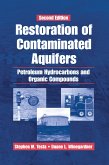
Duane L. WinegardnerRestoration of Contaminated Aquifers81,99 €
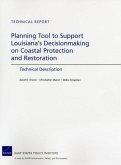
David G GrovesPlanning Tool to Support Louisiana's Decisionmaking on Coastal Protection and Restoration26,99 €
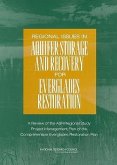
National Research CouncilRegional Issues in Aquifer Storage and Recovery for Everglades Restoration27,99 €
William ThroopEnvironmental Restoration35,99 €
Peter BrewittSame River Twice: The Politics of Dam Removal and River Restoration18,99 €
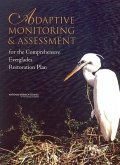
National Research CouncilAdaptive Monitoring and Assessment for the Comprehensive Everglades Restoration Plan40,99 €-
-
-
Hydrosystem Restoration Handbook, Groundwater Artificial Recharge with Conventional Water (GARC) introduces innovative groundwater recharge techniques. Through the introduction of powerful case studies, the book offers key strategies to researchers and graduate students for managing CARC and monitoring groundwater levels.
Produktdetails
- Produktdetails
- Verlag: Elsevier Science
- Seitenzahl: 524
- Erscheinungstermin: 28. November 2025
- Englisch
- Gewicht: 450g
- ISBN-13: 9780443291043
- ISBN-10: 0443291047
- Artikelnr.: 72488444
- Herstellerkennzeichnung
- Libri GmbH
- Europaallee 1
- 36244 Bad Hersfeld
- gpsr@libri.de
- Verlag: Elsevier Science
- Seitenzahl: 524
- Erscheinungstermin: 28. November 2025
- Englisch
- Gewicht: 450g
- ISBN-13: 9780443291043
- ISBN-10: 0443291047
- Artikelnr.: 72488444
- Herstellerkennzeichnung
- Libri GmbH
- Europaallee 1
- 36244 Bad Hersfeld
- gpsr@libri.de
Part I: Foundational Concepts and Traditional Techniques
1. Water Harvesting Systems and Groundwater Artificial Recharge with
Conventional Water
2. Three-R: Recharge, Retention and Reuse of Water
3. Comparison of Water and Flood Spreading Area Against Non-Spreading and
Control Area using Remote Sensing, GIS and Statistical Analysis
Part II: Case Studies and Regional Applications
4. Identification and Assessment of Artificial Groundwater Recharge
Potential Zones-A Case Study in the Mitidja Plain, North Algeria
5. The Long-Term Variability of Hydrological Characteristics of Lake Baikal
and Its Tributaries Under Climate Change and Anthropogenic Impact
6. Understanding the Water Scenario in India
7. Traditional Groundwater Recharge Techniques in India
8. The Role of Non-State actors in Groundwater Artificial Recharge with
Conventional Water-Based Watershed Development Programmes in India: A case
study
Part III: Planning and Management Strategies
9. Groundwater Artificial Recharge with Conventional Water Management and
Sustainability
10. Planning Various Groundwater Artificial Recharge with Conventional
Water Schemes
11. Water Resources Restoration as a Robust Tool for Poverty Reduction and
Promoting Welfare
12. Groundwater Resources Restoration: A Green Technology Approach
13. Artificial Groundwater Recharge for Water Banking
14. Rainwater Harvesting and Groundwater Recharge
Part IV: Methodological Innovations and Advanced Techniques
15. Methodological Survey for the Estimation of Groundwater Artificial
Recharge
16. Conceptual Modeling of Groundwater Artificial Recharge with
Conventional Water
17. Machine Learning Techniques for the Estimation of Groundwater
Artificial Recharge by Conventional Water
18. Water Productivity Enhancement using Groundwater Artificial Recharge
with Conventional Water
19. Classification Methods for Ranking the Appropriate Locations for
Groundwater Artificial Recharge with Conventional Water
Part V: Future Trends and Emerging Technologies
20. Underground Dam Theory and Application
21. Future Trends in Groundwater Artificial Recharge with Conventional
Water
1. Water Harvesting Systems and Groundwater Artificial Recharge with
Conventional Water
2. Three-R: Recharge, Retention and Reuse of Water
3. Comparison of Water and Flood Spreading Area Against Non-Spreading and
Control Area using Remote Sensing, GIS and Statistical Analysis
Part II: Case Studies and Regional Applications
4. Identification and Assessment of Artificial Groundwater Recharge
Potential Zones-A Case Study in the Mitidja Plain, North Algeria
5. The Long-Term Variability of Hydrological Characteristics of Lake Baikal
and Its Tributaries Under Climate Change and Anthropogenic Impact
6. Understanding the Water Scenario in India
7. Traditional Groundwater Recharge Techniques in India
8. The Role of Non-State actors in Groundwater Artificial Recharge with
Conventional Water-Based Watershed Development Programmes in India: A case
study
Part III: Planning and Management Strategies
9. Groundwater Artificial Recharge with Conventional Water Management and
Sustainability
10. Planning Various Groundwater Artificial Recharge with Conventional
Water Schemes
11. Water Resources Restoration as a Robust Tool for Poverty Reduction and
Promoting Welfare
12. Groundwater Resources Restoration: A Green Technology Approach
13. Artificial Groundwater Recharge for Water Banking
14. Rainwater Harvesting and Groundwater Recharge
Part IV: Methodological Innovations and Advanced Techniques
15. Methodological Survey for the Estimation of Groundwater Artificial
Recharge
16. Conceptual Modeling of Groundwater Artificial Recharge with
Conventional Water
17. Machine Learning Techniques for the Estimation of Groundwater
Artificial Recharge by Conventional Water
18. Water Productivity Enhancement using Groundwater Artificial Recharge
with Conventional Water
19. Classification Methods for Ranking the Appropriate Locations for
Groundwater Artificial Recharge with Conventional Water
Part V: Future Trends and Emerging Technologies
20. Underground Dam Theory and Application
21. Future Trends in Groundwater Artificial Recharge with Conventional
Water
Part I: Foundational Concepts and Traditional Techniques
1. Water Harvesting Systems and Groundwater Artificial Recharge with
Conventional Water
2. Three-R: Recharge, Retention and Reuse of Water
3. Comparison of Water and Flood Spreading Area Against Non-Spreading and
Control Area using Remote Sensing, GIS and Statistical Analysis
Part II: Case Studies and Regional Applications
4. Identification and Assessment of Artificial Groundwater Recharge
Potential Zones-A Case Study in the Mitidja Plain, North Algeria
5. The Long-Term Variability of Hydrological Characteristics of Lake Baikal
and Its Tributaries Under Climate Change and Anthropogenic Impact
6. Understanding the Water Scenario in India
7. Traditional Groundwater Recharge Techniques in India
8. The Role of Non-State actors in Groundwater Artificial Recharge with
Conventional Water-Based Watershed Development Programmes in India: A case
study
Part III: Planning and Management Strategies
9. Groundwater Artificial Recharge with Conventional Water Management and
Sustainability
10. Planning Various Groundwater Artificial Recharge with Conventional
Water Schemes
11. Water Resources Restoration as a Robust Tool for Poverty Reduction and
Promoting Welfare
12. Groundwater Resources Restoration: A Green Technology Approach
13. Artificial Groundwater Recharge for Water Banking
14. Rainwater Harvesting and Groundwater Recharge
Part IV: Methodological Innovations and Advanced Techniques
15. Methodological Survey for the Estimation of Groundwater Artificial
Recharge
16. Conceptual Modeling of Groundwater Artificial Recharge with
Conventional Water
17. Machine Learning Techniques for the Estimation of Groundwater
Artificial Recharge by Conventional Water
18. Water Productivity Enhancement using Groundwater Artificial Recharge
with Conventional Water
19. Classification Methods for Ranking the Appropriate Locations for
Groundwater Artificial Recharge with Conventional Water
Part V: Future Trends and Emerging Technologies
20. Underground Dam Theory and Application
21. Future Trends in Groundwater Artificial Recharge with Conventional
Water
1. Water Harvesting Systems and Groundwater Artificial Recharge with
Conventional Water
2. Three-R: Recharge, Retention and Reuse of Water
3. Comparison of Water and Flood Spreading Area Against Non-Spreading and
Control Area using Remote Sensing, GIS and Statistical Analysis
Part II: Case Studies and Regional Applications
4. Identification and Assessment of Artificial Groundwater Recharge
Potential Zones-A Case Study in the Mitidja Plain, North Algeria
5. The Long-Term Variability of Hydrological Characteristics of Lake Baikal
and Its Tributaries Under Climate Change and Anthropogenic Impact
6. Understanding the Water Scenario in India
7. Traditional Groundwater Recharge Techniques in India
8. The Role of Non-State actors in Groundwater Artificial Recharge with
Conventional Water-Based Watershed Development Programmes in India: A case
study
Part III: Planning and Management Strategies
9. Groundwater Artificial Recharge with Conventional Water Management and
Sustainability
10. Planning Various Groundwater Artificial Recharge with Conventional
Water Schemes
11. Water Resources Restoration as a Robust Tool for Poverty Reduction and
Promoting Welfare
12. Groundwater Resources Restoration: A Green Technology Approach
13. Artificial Groundwater Recharge for Water Banking
14. Rainwater Harvesting and Groundwater Recharge
Part IV: Methodological Innovations and Advanced Techniques
15. Methodological Survey for the Estimation of Groundwater Artificial
Recharge
16. Conceptual Modeling of Groundwater Artificial Recharge with
Conventional Water
17. Machine Learning Techniques for the Estimation of Groundwater
Artificial Recharge by Conventional Water
18. Water Productivity Enhancement using Groundwater Artificial Recharge
with Conventional Water
19. Classification Methods for Ranking the Appropriate Locations for
Groundwater Artificial Recharge with Conventional Water
Part V: Future Trends and Emerging Technologies
20. Underground Dam Theory and Application
21. Future Trends in Groundwater Artificial Recharge with Conventional
Water