
- Broschiertes Buch
- Merkliste
- Auf die Merkliste
- Bewerten Bewerten
- Teilen
- Produkt teilen
- Produkterinnerung
- Produkterinnerung
Women have been playing hockey since the beginning—but their fights took place off the ice. Hockey wasn’t meant to include girls. Women attracted to the speed, finesse and physicality of the game had to overcome condescending attitudes, lack of resources, legal barriers and even sexual assault in their quest for legitimacy and ice time. For more than 150 years, their gender was questioned, monitored, hidden, disparaged and trivialized. Even so, teams were formed and stars emerged. Early tournaments were catalysts, inspiring pioneers with visions of what could be. From “the miracle maid” of the…mehr
Andere Kunden interessierten sich auch für
 Karissa DonkinBreakaway19,99 €
 Don WeekesHockey Hall of Fame Timeline of the Game22,99 €
 Steven SandorLeveling the Ice33,99 €
 Dr Randy GreggAdvanced Drills & Goalie Drills for Hockey9,49 €
 Sean McindoeThe Down Goes Brown History of the NHL12,99 €
 Ethan ScheinerFreedom to Win28,99 €
 Ken DrydenThe Series27,99 €
-
-
-







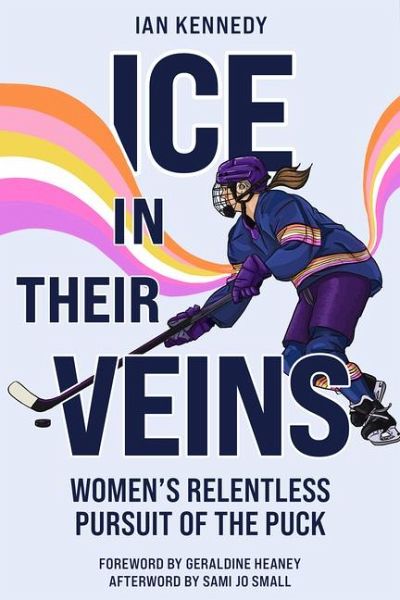
Women have been playing hockey since the beginning—but their fights took place off the ice. Hockey wasn’t meant to include girls. Women attracted to the speed, finesse and physicality of the game had to overcome condescending attitudes, lack of resources, legal barriers and even sexual assault in their quest for legitimacy and ice time. For more than 150 years, their gender was questioned, monitored, hidden, disparaged and trivialized. Even so, teams were formed and stars emerged. Early tournaments were catalysts, inspiring pioneers with visions of what could be. From “the miracle maid” of the early 20th century to members of today’s Professional Women's Hockey League, these are the stories of women who truly had ice in their veins.
Produktdetails
- Produktdetails
- Verlag: Tidewater Press
- Seitenzahl: 228
- Erscheinungstermin: 29. Oktober 2024
- Englisch
- Abmessung: 227mm x 150mm x 14mm
- Gewicht: 378g
- ISBN-13: 9781990160424
- ISBN-10: 1990160425
- Artikelnr.: 70282361
- Herstellerkennzeichnung
- Libri GmbH
- Europaallee 1
- 36244 Bad Hersfeld
- gpsr@libri.de
- Verlag: Tidewater Press
- Seitenzahl: 228
- Erscheinungstermin: 29. Oktober 2024
- Englisch
- Abmessung: 227mm x 150mm x 14mm
- Gewicht: 378g
- ISBN-13: 9781990160424
- ISBN-10: 1990160425
- Artikelnr.: 70282361
- Herstellerkennzeichnung
- Libri GmbH
- Europaallee 1
- 36244 Bad Hersfeld
- gpsr@libri.de
By Ian Kennedy
Contents
Ice in Their Veins – Women’s Relentless Pursuit of the Puck by Ian Kennedy
Foreword – Hockey Hall of Fame member Geraldine Heaney reflects on her
career, the challenges and triumphs, and how far women’s hockey has come in
her lifetime.
Introduction – Ian Kennedy shares his own experience playing hockey, one in
which toxic masculinity excluded women and non-conforming men.
Chapter 1 – Lady-in-Waiting: Initially, skating and hockey were elitist
pursuits that excluded all but a select few, one of whom was the wife of
the Governor General, Lady Isobel Stanley.
Chapter 2 – A League of Their Own: Playing in the first elite women’s
hockey league prior to World War I, Albertine Lapensee was widely
considered the best player on the planet. She was so good she must be a
boy.
Chapter 3 – No Man’s Land: In the 1930s, there was no greater hockey star
than Hilda Ranscombe. Her success was trivialized by gender marking, a
practice vociferously opposed by journalist Alexandrine Gibb in her column
“No Man’s Land.”
Chapter 4 – Put a Ring on It: The growing popularity of hockey among women
led to the introduction of the more “gender appropriate” sport of ringette.
Chapter 5 – Applying Concealer: Whether cutting their hair, wearing the
clothes of their brothers or changing their names on registration forms,
girls and women including Abby Hoffman and Bev Beaver found ways to
compete…until they were discovered by men.
Chapter 6 – Be My Sweetheart: In 1967, the inaugural Lipstick Tournament,
organized by a group of high school women in Wallaceburg, Ontario, became
the catalyst for growing the women’s game across the continent.
Chapter 7 – Power Plays: In the United States, 1972’s Title IX ruling
allowed athletes like Cindy Curley, Cammi Granato, and Estey Ticknor to
begin dismantling structural barriers that excluded women from hockey.
Chapter 8 –Fran’s Got a Plan: Fran Rider organized the first unofficial
World Championship tournament in 1987, spearheaded the movement to found an
official World Championship in 1990, and worked tirelessly to include women
in the 1998 Olympics.
Chapter 9 – Captain Coveny: Prior to the 1998 Olympics, women’s stars were
completely overlooked. Perhaps no player personifies that better than the
first captain of Team Canada, Marian “Mern” Coveny.
Chapter 10 – Hockey Nation: As the women’s game developed in Canada and the
United States, players in Europe and Asia—Denmark’s Line Baun Danielson,
Sweden’s Kristina Berglund, Japan’s Tamae Satsu, and Canadian coach Carla
MacLeod—fought to catch up.
Chapter 11 – Faceoff: in 1981, 11-year-old Justine Blainey began a
five-year legal battle for the right to play on a boys’ team, a move that
angered both women’s and men’s organizations.
Chapter 12 - Playing Like Girls: Without a professional league, elite
players like Shirley Cameron had to balance careers and other
responsibilities during their second shift, before their first shift in
hockey could begin.
Chapter 13 – Pretty in Pink: When Cathy Phillips, the consensus best
goaltender on the planet, and her Canadian teammates, triumphed at their
first World Championship in 1990, they were not wearing the typical red and
white jerseys. Instead, they were made to wear pink.
Chapter 14 – Red Line: As the women’s game became more prominent, officials
like Deb Maybury had to navigate the patriarchal “protection” of women
imposed by new rules surrounding bodychecking and equipment.
Chapter 15 – Man Advantage: As long as men controlled the game, legitimacy
was only possible if players like Karen Koch, Manon Rheaume, Hayley
Wickenheiser, and Kelly Dyer could compete alongside them in professional
leagues.
Chapter 16 – Power Forward: Women of colour or members of the LBGTQ+
community faced additional barriers. Players like Angela James and Vicky
Sunohara navigated intersectional levels of discrimination and exclusion in
sport and society.
Chapter 17 – Breakaway: As successive women’s leagues formed and fell, Sami
Jo Small, Jayna Hefford, and John and Johanna Boynton played leading roles
in the fight to finally launch one cohesive and sustainable professional
women’s hockey league—the PWHL.
Afterword – Whether as an Olympic gold medalist, general manager, team
president or broadcaster, Sami Jo Small has seen every aspect of the rise
and fall of women’s hockey since the turn of the century. And she’s
confident the future is brighter than ever.
Ice in Their Veins – Women’s Relentless Pursuit of the Puck by Ian Kennedy
Foreword – Hockey Hall of Fame member Geraldine Heaney reflects on her
career, the challenges and triumphs, and how far women’s hockey has come in
her lifetime.
Introduction – Ian Kennedy shares his own experience playing hockey, one in
which toxic masculinity excluded women and non-conforming men.
Chapter 1 – Lady-in-Waiting: Initially, skating and hockey were elitist
pursuits that excluded all but a select few, one of whom was the wife of
the Governor General, Lady Isobel Stanley.
Chapter 2 – A League of Their Own: Playing in the first elite women’s
hockey league prior to World War I, Albertine Lapensee was widely
considered the best player on the planet. She was so good she must be a
boy.
Chapter 3 – No Man’s Land: In the 1930s, there was no greater hockey star
than Hilda Ranscombe. Her success was trivialized by gender marking, a
practice vociferously opposed by journalist Alexandrine Gibb in her column
“No Man’s Land.”
Chapter 4 – Put a Ring on It: The growing popularity of hockey among women
led to the introduction of the more “gender appropriate” sport of ringette.
Chapter 5 – Applying Concealer: Whether cutting their hair, wearing the
clothes of their brothers or changing their names on registration forms,
girls and women including Abby Hoffman and Bev Beaver found ways to
compete…until they were discovered by men.
Chapter 6 – Be My Sweetheart: In 1967, the inaugural Lipstick Tournament,
organized by a group of high school women in Wallaceburg, Ontario, became
the catalyst for growing the women’s game across the continent.
Chapter 7 – Power Plays: In the United States, 1972’s Title IX ruling
allowed athletes like Cindy Curley, Cammi Granato, and Estey Ticknor to
begin dismantling structural barriers that excluded women from hockey.
Chapter 8 –Fran’s Got a Plan: Fran Rider organized the first unofficial
World Championship tournament in 1987, spearheaded the movement to found an
official World Championship in 1990, and worked tirelessly to include women
in the 1998 Olympics.
Chapter 9 – Captain Coveny: Prior to the 1998 Olympics, women’s stars were
completely overlooked. Perhaps no player personifies that better than the
first captain of Team Canada, Marian “Mern” Coveny.
Chapter 10 – Hockey Nation: As the women’s game developed in Canada and the
United States, players in Europe and Asia—Denmark’s Line Baun Danielson,
Sweden’s Kristina Berglund, Japan’s Tamae Satsu, and Canadian coach Carla
MacLeod—fought to catch up.
Chapter 11 – Faceoff: in 1981, 11-year-old Justine Blainey began a
five-year legal battle for the right to play on a boys’ team, a move that
angered both women’s and men’s organizations.
Chapter 12 - Playing Like Girls: Without a professional league, elite
players like Shirley Cameron had to balance careers and other
responsibilities during their second shift, before their first shift in
hockey could begin.
Chapter 13 – Pretty in Pink: When Cathy Phillips, the consensus best
goaltender on the planet, and her Canadian teammates, triumphed at their
first World Championship in 1990, they were not wearing the typical red and
white jerseys. Instead, they were made to wear pink.
Chapter 14 – Red Line: As the women’s game became more prominent, officials
like Deb Maybury had to navigate the patriarchal “protection” of women
imposed by new rules surrounding bodychecking and equipment.
Chapter 15 – Man Advantage: As long as men controlled the game, legitimacy
was only possible if players like Karen Koch, Manon Rheaume, Hayley
Wickenheiser, and Kelly Dyer could compete alongside them in professional
leagues.
Chapter 16 – Power Forward: Women of colour or members of the LBGTQ+
community faced additional barriers. Players like Angela James and Vicky
Sunohara navigated intersectional levels of discrimination and exclusion in
sport and society.
Chapter 17 – Breakaway: As successive women’s leagues formed and fell, Sami
Jo Small, Jayna Hefford, and John and Johanna Boynton played leading roles
in the fight to finally launch one cohesive and sustainable professional
women’s hockey league—the PWHL.
Afterword – Whether as an Olympic gold medalist, general manager, team
president or broadcaster, Sami Jo Small has seen every aspect of the rise
and fall of women’s hockey since the turn of the century. And she’s
confident the future is brighter than ever.
Contents
Ice in Their Veins – Women’s Relentless Pursuit of the Puck by Ian Kennedy
Foreword – Hockey Hall of Fame member Geraldine Heaney reflects on her
career, the challenges and triumphs, and how far women’s hockey has come in
her lifetime.
Introduction – Ian Kennedy shares his own experience playing hockey, one in
which toxic masculinity excluded women and non-conforming men.
Chapter 1 – Lady-in-Waiting: Initially, skating and hockey were elitist
pursuits that excluded all but a select few, one of whom was the wife of
the Governor General, Lady Isobel Stanley.
Chapter 2 – A League of Their Own: Playing in the first elite women’s
hockey league prior to World War I, Albertine Lapensee was widely
considered the best player on the planet. She was so good she must be a
boy.
Chapter 3 – No Man’s Land: In the 1930s, there was no greater hockey star
than Hilda Ranscombe. Her success was trivialized by gender marking, a
practice vociferously opposed by journalist Alexandrine Gibb in her column
“No Man’s Land.”
Chapter 4 – Put a Ring on It: The growing popularity of hockey among women
led to the introduction of the more “gender appropriate” sport of ringette.
Chapter 5 – Applying Concealer: Whether cutting their hair, wearing the
clothes of their brothers or changing their names on registration forms,
girls and women including Abby Hoffman and Bev Beaver found ways to
compete…until they were discovered by men.
Chapter 6 – Be My Sweetheart: In 1967, the inaugural Lipstick Tournament,
organized by a group of high school women in Wallaceburg, Ontario, became
the catalyst for growing the women’s game across the continent.
Chapter 7 – Power Plays: In the United States, 1972’s Title IX ruling
allowed athletes like Cindy Curley, Cammi Granato, and Estey Ticknor to
begin dismantling structural barriers that excluded women from hockey.
Chapter 8 –Fran’s Got a Plan: Fran Rider organized the first unofficial
World Championship tournament in 1987, spearheaded the movement to found an
official World Championship in 1990, and worked tirelessly to include women
in the 1998 Olympics.
Chapter 9 – Captain Coveny: Prior to the 1998 Olympics, women’s stars were
completely overlooked. Perhaps no player personifies that better than the
first captain of Team Canada, Marian “Mern” Coveny.
Chapter 10 – Hockey Nation: As the women’s game developed in Canada and the
United States, players in Europe and Asia—Denmark’s Line Baun Danielson,
Sweden’s Kristina Berglund, Japan’s Tamae Satsu, and Canadian coach Carla
MacLeod—fought to catch up.
Chapter 11 – Faceoff: in 1981, 11-year-old Justine Blainey began a
five-year legal battle for the right to play on a boys’ team, a move that
angered both women’s and men’s organizations.
Chapter 12 - Playing Like Girls: Without a professional league, elite
players like Shirley Cameron had to balance careers and other
responsibilities during their second shift, before their first shift in
hockey could begin.
Chapter 13 – Pretty in Pink: When Cathy Phillips, the consensus best
goaltender on the planet, and her Canadian teammates, triumphed at their
first World Championship in 1990, they were not wearing the typical red and
white jerseys. Instead, they were made to wear pink.
Chapter 14 – Red Line: As the women’s game became more prominent, officials
like Deb Maybury had to navigate the patriarchal “protection” of women
imposed by new rules surrounding bodychecking and equipment.
Chapter 15 – Man Advantage: As long as men controlled the game, legitimacy
was only possible if players like Karen Koch, Manon Rheaume, Hayley
Wickenheiser, and Kelly Dyer could compete alongside them in professional
leagues.
Chapter 16 – Power Forward: Women of colour or members of the LBGTQ+
community faced additional barriers. Players like Angela James and Vicky
Sunohara navigated intersectional levels of discrimination and exclusion in
sport and society.
Chapter 17 – Breakaway: As successive women’s leagues formed and fell, Sami
Jo Small, Jayna Hefford, and John and Johanna Boynton played leading roles
in the fight to finally launch one cohesive and sustainable professional
women’s hockey league—the PWHL.
Afterword – Whether as an Olympic gold medalist, general manager, team
president or broadcaster, Sami Jo Small has seen every aspect of the rise
and fall of women’s hockey since the turn of the century. And she’s
confident the future is brighter than ever.
Ice in Their Veins – Women’s Relentless Pursuit of the Puck by Ian Kennedy
Foreword – Hockey Hall of Fame member Geraldine Heaney reflects on her
career, the challenges and triumphs, and how far women’s hockey has come in
her lifetime.
Introduction – Ian Kennedy shares his own experience playing hockey, one in
which toxic masculinity excluded women and non-conforming men.
Chapter 1 – Lady-in-Waiting: Initially, skating and hockey were elitist
pursuits that excluded all but a select few, one of whom was the wife of
the Governor General, Lady Isobel Stanley.
Chapter 2 – A League of Their Own: Playing in the first elite women’s
hockey league prior to World War I, Albertine Lapensee was widely
considered the best player on the planet. She was so good she must be a
boy.
Chapter 3 – No Man’s Land: In the 1930s, there was no greater hockey star
than Hilda Ranscombe. Her success was trivialized by gender marking, a
practice vociferously opposed by journalist Alexandrine Gibb in her column
“No Man’s Land.”
Chapter 4 – Put a Ring on It: The growing popularity of hockey among women
led to the introduction of the more “gender appropriate” sport of ringette.
Chapter 5 – Applying Concealer: Whether cutting their hair, wearing the
clothes of their brothers or changing their names on registration forms,
girls and women including Abby Hoffman and Bev Beaver found ways to
compete…until they were discovered by men.
Chapter 6 – Be My Sweetheart: In 1967, the inaugural Lipstick Tournament,
organized by a group of high school women in Wallaceburg, Ontario, became
the catalyst for growing the women’s game across the continent.
Chapter 7 – Power Plays: In the United States, 1972’s Title IX ruling
allowed athletes like Cindy Curley, Cammi Granato, and Estey Ticknor to
begin dismantling structural barriers that excluded women from hockey.
Chapter 8 –Fran’s Got a Plan: Fran Rider organized the first unofficial
World Championship tournament in 1987, spearheaded the movement to found an
official World Championship in 1990, and worked tirelessly to include women
in the 1998 Olympics.
Chapter 9 – Captain Coveny: Prior to the 1998 Olympics, women’s stars were
completely overlooked. Perhaps no player personifies that better than the
first captain of Team Canada, Marian “Mern” Coveny.
Chapter 10 – Hockey Nation: As the women’s game developed in Canada and the
United States, players in Europe and Asia—Denmark’s Line Baun Danielson,
Sweden’s Kristina Berglund, Japan’s Tamae Satsu, and Canadian coach Carla
MacLeod—fought to catch up.
Chapter 11 – Faceoff: in 1981, 11-year-old Justine Blainey began a
five-year legal battle for the right to play on a boys’ team, a move that
angered both women’s and men’s organizations.
Chapter 12 - Playing Like Girls: Without a professional league, elite
players like Shirley Cameron had to balance careers and other
responsibilities during their second shift, before their first shift in
hockey could begin.
Chapter 13 – Pretty in Pink: When Cathy Phillips, the consensus best
goaltender on the planet, and her Canadian teammates, triumphed at their
first World Championship in 1990, they were not wearing the typical red and
white jerseys. Instead, they were made to wear pink.
Chapter 14 – Red Line: As the women’s game became more prominent, officials
like Deb Maybury had to navigate the patriarchal “protection” of women
imposed by new rules surrounding bodychecking and equipment.
Chapter 15 – Man Advantage: As long as men controlled the game, legitimacy
was only possible if players like Karen Koch, Manon Rheaume, Hayley
Wickenheiser, and Kelly Dyer could compete alongside them in professional
leagues.
Chapter 16 – Power Forward: Women of colour or members of the LBGTQ+
community faced additional barriers. Players like Angela James and Vicky
Sunohara navigated intersectional levels of discrimination and exclusion in
sport and society.
Chapter 17 – Breakaway: As successive women’s leagues formed and fell, Sami
Jo Small, Jayna Hefford, and John and Johanna Boynton played leading roles
in the fight to finally launch one cohesive and sustainable professional
women’s hockey league—the PWHL.
Afterword – Whether as an Olympic gold medalist, general manager, team
president or broadcaster, Sami Jo Small has seen every aspect of the rise
and fall of women’s hockey since the turn of the century. And she’s
confident the future is brighter than ever.