
Andere Kunden interessierten sich auch für
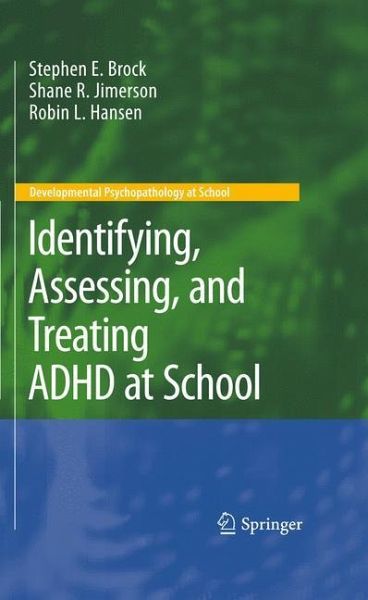
 Identifying, Assessing, and Treating ADHD at School103,99 €
 Identifying, Assessing, and Treating Bipolar Disorder at School38,99 €
 Identifying, Assessing, and Treating Early Onset Schizophrenia at School38,99 €
 Identifying, Assessing, and Treating Dyslexia at School102,99 €
 Identifying, Assessing, and Treating Dyslexia at School68,99 €
 Disruptive Behavior Disorders in Childhood76,99 €
 Identifying, Assessing, and Treating Self-Injury at School57,99 €

ADHD is the most commonly diagnosed childhood behavioral disorder. Moreover, many students receiving special education assistance are reported to have ADHD. Children with ADHD may experience significant school adjustment difficulties and achievement problems. Problem behaviors associated with attention deficits and hyperactivity often have a negative impact on the classroom, and, therefore, may compromise the learning environment for many, if not all, students. There is a critical need for school professionals to identify, assess, and treat students with ADHD.
Identifying, Assessing, and Treating ADHD at School brings science to practice, providing school professionals invaluable information to meet the needs of children with ADHD. This volume, designed as a practical, easy-to-use reference for school psychologists and other mental health and educational professionals:
Explains why school psychologists and their colleagues need to be prepared and able to identify and serve students with ADHD.
Identifies the prevalence, influences, and associated conditions.
Provides a review of screening, referral, and diagnostic assessment processes.
Offers guidance on conducting psychoeducational assessments.
Reviews evidence-based treatments.
Offers practical guidance on setting up programs that address individual and classroom issues.
School psychologists and other education and mental health professionals will find Identifying, Assessing, and Treating ADHD at School an exceptional resource in working to enhance the mental health and academic development of students.
Identifying, Assessing, and Treating ADHD at School brings science to practice, providing school professionals invaluable information to meet the needs of children with ADHD. This volume, designed as a practical, easy-to-use reference for school psychologists and other mental health and educational professionals:
Explains why school psychologists and their colleagues need to be prepared and able to identify and serve students with ADHD.
Identifies the prevalence, influences, and associated conditions.
Provides a review of screening, referral, and diagnostic assessment processes.
Offers guidance on conducting psychoeducational assessments.
Reviews evidence-based treatments.
Offers practical guidance on setting up programs that address individual and classroom issues.
School psychologists and other education and mental health professionals will find Identifying, Assessing, and Treating ADHD at School an exceptional resource in working to enhance the mental health and academic development of students.