
Andere Kunden interessierten sich auch für
 The Palgrave Handbook of Adult Mental Health115,99 €
 Treating Feeding Challenges in Autism31,99 €
 Anxiety and Substance Use Disorders102,99 €
 Practitioner's Guide to Emotion Regulation in School-Aged Children52,99 €
 Essentials of Assessing, Preventing, and Overcoming Reading Difficulties52,99 €
 Essentials of Autism Spectrum Disorders Evaluation and Assessment67,99 €
 Identifying Perinatal Depression and Anxiety51,99 €
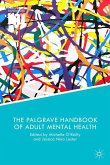
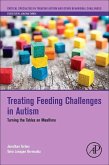
As the rate of autism diagnosis continues to escalate, awareness and recognition of this developmental brain disorder - as well as a demand for services - are also mushrooming. School districts, already struggling under the weight of withering budgets and increasing enrollments, are now scrambling to strike a balance between the types of services and treatments parents want for their children and what the school system can afford to provide. Consequently, a broad cross-section of professionals and parents are searching for the means and methods by which to identify and address the wide-ranging educational needs of the children with autism spectrum disorder.
Identifying, Assessing, and Treating Autism at School provides a one-stop resource that enables school psychologists to coordinate efforts between students and parents as well as other educators, administrators, and social services providers to determine which interventions are likely to be most effective inmeeting the unique needs of children with autism. This volume, designed as a practical, easy-to-use reference for school psychologists and other educational professionals:
Makes the case for why school psychologists and their colleagues need to be more prepared, willing, and able to identify and serve students with autism.
Identifies the causes, prevalence, and associated conditions of autism spectrum disorders.
Provides a review of screening, referral, and diagnostic assessment processes.
Offers much-needed guidance on conducting psychoeducational assessments.
Reviews appropriate treatments for students with autism.
School psychologists, general and special educators, counselors, and social workers will find Identifying, Assessing, and Treating Autism at School an invaluable resource.
Identifying, Assessing, and Treating Autism at School provides a one-stop resource that enables school psychologists to coordinate efforts between students and parents as well as other educators, administrators, and social services providers to determine which interventions are likely to be most effective inmeeting the unique needs of children with autism. This volume, designed as a practical, easy-to-use reference for school psychologists and other educational professionals:
Makes the case for why school psychologists and their colleagues need to be more prepared, willing, and able to identify and serve students with autism.
Identifies the causes, prevalence, and associated conditions of autism spectrum disorders.
Provides a review of screening, referral, and diagnostic assessment processes.
Offers much-needed guidance on conducting psychoeducational assessments.
Reviews appropriate treatments for students with autism.
School psychologists, general and special educators, counselors, and social workers will find Identifying, Assessing, and Treating Autism at School an invaluable resource.
"This book is an invaluable resource not only for school psychologists but for other professionals and parents as well. It provides an excellent overview of the assessment and treatment of autism and related disorders and outlines with impressive clarity the interventions that can be provided for students with autism in schools. I am certain that this book will be read and reread for the wealth of information it presents."
Robert B. Brooks
Harvard Medical School
Coauthor of Raising Resilient Children
Robert B. Brooks
Harvard Medical School
Coauthor of Raising Resilient Children