Andere Kunden interessierten sich auch für
 Il vecchio della montagna14,99 €
 Le colpe altrui14,99 €
 Chiaroscuro14,99 €
 Il dono di Natale9,49 €
 Il dono di Natale15,99 €
 Il dono di Natale10,99 €
 NOVELLE RUSTICANE205,99 €


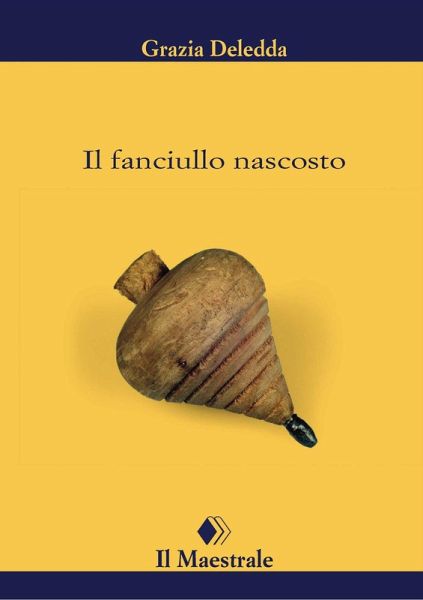
"Il fanciullo nascosto" è la fortunata raccolta di novelle che Grazia Deledda pubblica nel 1915 (Treves; ristampe nel 1920 e nel 1928). Raduna in buona parte racconti affidati dall'autrice al 'Corriere della Sera' (come la precedente Chiaroscuro, 1912) e al mensile del quotidiano milanese 'La Lettura' (dove nel luglio 1914 esce la novella che dà il titolo all'intera raccolta); ma comprende anche tre prove ospitate dalla "fedele" 'Nuova Antologia', altre tre uscite nella preziosa 'Grande Illustrazione' di Pescara, più singole prove sparse in testate varie, fra il 1914 e il 1915. La raccolta affianca sul fronte della scrittura breve lo svolgersi di una grandiosa stagione del narrare la Sardegna, attraverso i romanzi Canne al vento (1913), Le colpe altrui (1914), Marianna Sirca (1915). Contiene 25 novelle: "Il fanciullo nascosto"; ""Il tesoro"; ""Sotto l'ala di Dio"; ""La parte del bottino"; ""La porta stretta"; ""La martora"; ""Il padrone"; "Ritorno"; "Il primo viaggio"; "La veste del vedovo"; "Il voto"; "L'usuraio"; "La croce d'oro"; "Dramma"; "Quello che è stato"; "La potenza malefica"; "L'augurio del mietitore"; "La casa maledetta"; "Il cuscino ricamato"; "Lo spirito del male"; "Selvaggina"; "La fattura"; "Fiaba"; "Un uomo e una donna"; "Le prime pietre". Das Urheberrecht an bibliographischen und produktbeschreibenden Daten und an den bereitgestellten Bildern liegt bei Informazioni Editoriali, I.E. S.r.l., oder beim Herausgeber oder demjenigen, der die Genehmigung erteilt hat. Alle Rechte vorbehalten.
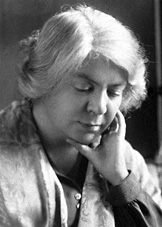
Deledda was born in Nuoro, Sardinia, into a middle-class family, to Giovanni Antonio Deledda and Francesca Cambosu, as the fourth of seven siblings. She attended elementary school (the minimum required at the time) and was then educated by a private tutor (a guest of one of her relatives) and moved on to study literature on her own. It was during this time that she started displaying an interest in writing short novels, mostly inspired by the life of Sardinian peasants and their struggles. Her teacher encouraged her to submit her writing to a newspaper and, at age 13, her first story was published in a local journal. Some of Deledda's early works were published in the fashion magazine L'ultima moda between 1888 and 1889. In 1890 Trevisani published Nell'azzurro (Into the Blue), her first collection of short stories. Deledda's main focus was the representation of poverty and the struggles associated with it through a combination of imaginary and autobiographical elements. Her family wasn't particularly supportive of her desire to write.