20,99 €
inkl. MwSt.
Versandfertig in 1-2 Wochen

10 °P sammeln
Andere Kunden interessierten sich auch für
 In Vain20,99 €
 A Christmas Blizzard21,99 €
 A Fool and His Money32,99 €
 Alena21,99 €
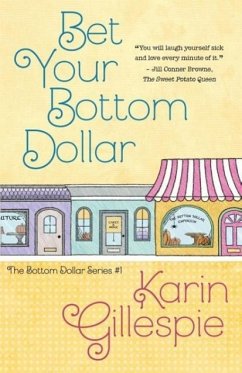
 Bet Your Bottom Dollar15,99 €
 The Remarkable Journey Of Weed Clapper25,99 €
 Why Are You So Sad?21,99 €



A love story of modern Poland, by the author of Quo Vadis. The scene is laid at Kieff, and university life there is described. In Vain the first literary work of Sienkiewicz, was written before he had passed the eighteenth year of his life and while he was studying at Warsaw. This volume contains pictures of student life drawn by a student who saw the life which he describes in this work. His student was a person of exceptional power and exceptional qualities, hence the value of that which he gives us. Henryk Sienkiewicz (1846-1916) was a novelist, born in Poland. He studied at Warsaw, traveled in the USA, and in the 1870s began to write articles, short stories, and novels. His major work was a war trilogy about 17th-century Poland, but his most widely known book is the story of Rome under Nero, Quo Vadis? (1896), several times filmed. He received the Nobel Prize for Literature in 1905. Jeremiah Curtin (1835 - 1906) translated this authorized, unabridged edition from the Polish. He was a renowned folklorist, linguist and translator.
Hinweis: Dieser Artikel kann nur an eine deutsche Lieferadresse ausgeliefert werden.
Hinweis: Dieser Artikel kann nur an eine deutsche Lieferadresse ausgeliefert werden.
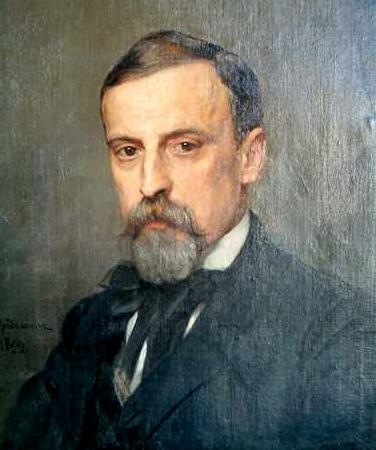
Henryk Adam Aleksander Pius Sienkiewicz (1846 - 1916) was a Polish journalist, novelist and the Nobel Prize laureate. He is best remembered for his historical novels, especially for his internationally known best-seller Quo Vadis (1896). Born into an impoverished Polish noble family in Russian-ruled Congress Poland, in the late 1860s Sienkiewicz began publishing journalistic and literary pieces. In the late 1870s he traveled to the United States, sending back travel essays that won him popularity with Polish readers. In the 1880s he began serializing novels that further increased his popularity. He soon became one of the most popular Polish writers at the turn of the 20th century and numerous translations gained him international renown, culminating in his receipt of the 1905 Nobel Prize in Literature for his "outstanding merits as an epic writer."