
Andere Kunden interessierten sich auch für
 Litigating the Rights of Minorities and Indigenous Peoples in Domestic and International Courts229,99 €
 Indigenous Land Rights in the Inter-American System178,99 €
 At the Edge of the State: Indigenous Peoples and Self Determination164,99 €
 International Perspective on Indigenous Religious Rights192,99 €
 Land and Forest Rights of Amazonian Indigenous Peoples from a National and International Perspective223,99 €
 The Procedural Law Governing Facts and Evidence in International Human Rights Proceedings194,99 €
 Indigenous Peoples, Natural Resources and Permanent Sovereignty216,99 €

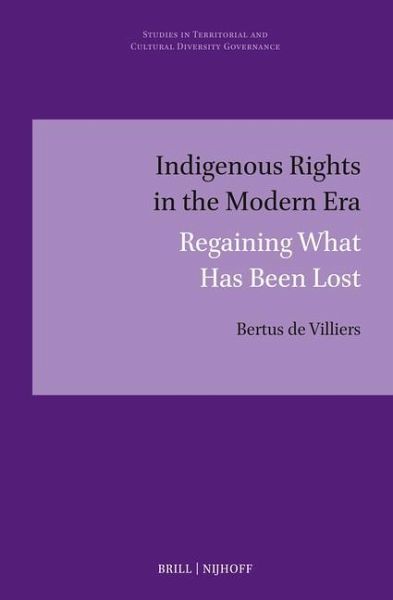
International law is rich in promise but poor in detail and practical application about the rights of indigenous people. This book focuses on practical measures that have been implemented in states to give effect to free, prior and informed consent (FPIC); self-determination by indigenous people; special electoral measures to benefit indigenous people; and the role of advisory bodies to advocate for indigenous interests. In many comparative works there are often only scant or brief reference to some country-experiences, but in this book several case studies are explored in depth to promote a greater understanding of the self-determination arrangements that have been implemented. These case studies represent a form of glocalisation, whereby global principles are applied to find local solutions, and local solutions in turn inform greater clarity and specificity to global principles. At the end of each chapter key lessons that can be drawn from the respective case studies are identified in the hope that those may inform developments in other countries and in international law.