
Andere Kunden interessierten sich auch für
") Insektizidresistenz bei Bactocera dorsalis H. (Diptera:Tephritidae)39,90 €
Insektizidresistenz bei Bactocera dorsalis H. (Diptera:Tephritidae)39,90 €") Resistenza agli insetticidi in Bactocera dorsalis H. (Diptera:Tephritidae)26,99 €
Resistenza agli insetticidi in Bactocera dorsalis H. (Diptera:Tephritidae)26,99 €") Résistance aux insecticides chez Bactocera dorsalis H. (Diptera:Tephritidae)26,99 €
Résistance aux insecticides chez Bactocera dorsalis H. (Diptera:Tephritidae)26,99 €") Resistência a inseticidas em Bactocera dorsalis H. (Diptera:Tephritidae)26,99 €
Resistência a inseticidas em Bactocera dorsalis H. (Diptera:Tephritidae)26,99 €") Resistencia a los insecticidas en Bactocera dorsalis H. (Diptera:Tephritidae)26,99 €
Resistencia a los insecticidas en Bactocera dorsalis H. (Diptera:Tephritidae)26,99 €") Odporno¿¿ na ¿rodki owadobójcze u Bactocera dorsalis H. (Diptera:Tephritidae)26,99 €
Odporno¿¿ na ¿rodki owadobójcze u Bactocera dorsalis H. (Diptera:Tephritidae)26,99 € Infesting Pigeonpea") Eco-Friendly Management of H. armigera (Hübner) Infesting Pigeonpea32,99 €
Eco-Friendly Management of H. armigera (Hübner) Infesting Pigeonpea32,99 €




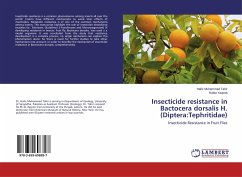
Insecticide resistance is a common phenomenon among insects all over the world. Insects have different mechanisms to avoid toxic effects of insecticides. Metabolic resistance is of one of the common mechanisms among insects. This manuscript highlight the role of insecticide detoxifying enzymes (ie., Esterases, Glutathion S-transferases and Monooxygenases) in developing resistance in insects. Fruit fly, Bactocera dorsalis, was used a a model organism. It was concluded from the study that resistance development is a complex process, no single mechanism can explain this phenomenon alone. So there is need for further studies to take other mechanisms into account, in order to describe the mechanism of insecticide resistance in Bactrocera dorsalis, comprehensively.