Fioretos
INT POLITICS & INSTITUTIONS IN TIME P
Fioretos
INT POLITICS & INSTITUTIONS IN TIME P
- Broschiertes Buch
- Merkliste
- Auf die Merkliste
- Bewerten Bewerten
- Teilen
- Produkt teilen
- Produkterinnerung
- Produkterinnerung
The definitive volume for anyone interested in historical institutionalism and International Relations.
Andere Kunden interessierten sich auch für
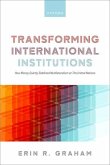
Erin R. GrahamTransforming International Institutions23,99 €
H Zeynep BulutgilThe Origins of Secular Institutions37,99 €
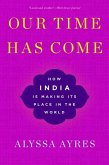
Alyssa AyresOur Time Has Come27,99 €
Robert O. Keohane / Marc A. Levy (eds.)Institutions for Environmental Aid: Pitfalls and Promise10,99 €
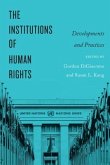
Gordon DigiacomoThe Institutions of Human Rights49,99 €
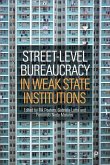
Rik PeetersStreet-Level Bureaucracy in Weak State Institutions41,99 €
Yuanfeng Joseph LinChina in International Institutions17,99 €-
-
-
The definitive volume for anyone interested in historical institutionalism and International Relations.
Produktdetails
- Produktdetails
- Verlag: ACADEMIC
- Seitenzahl: 362
- Erscheinungstermin: 9. März 2017
- Englisch
- Abmessung: 234mm x 156mm x 20mm
- Gewicht: 550g
- ISBN-13: 9780198744092
- ISBN-10: 0198744099
- Artikelnr.: 47735223
- Herstellerkennzeichnung
- Libri GmbH
- Europaallee 1
- 36244 Bad Hersfeld
- gpsr@libri.de
- Verlag: ACADEMIC
- Seitenzahl: 362
- Erscheinungstermin: 9. März 2017
- Englisch
- Abmessung: 234mm x 156mm x 20mm
- Gewicht: 550g
- ISBN-13: 9780198744092
- ISBN-10: 0198744099
- Artikelnr.: 47735223
- Herstellerkennzeichnung
- Libri GmbH
- Europaallee 1
- 36244 Bad Hersfeld
- gpsr@libri.de
Orfeo Fioretos is Associate Professor of Political Science at Temple University, Philadelphia. He is co-editor of The Oxford Handbook of Historical Institutionalism (with Tulia G. Falleti and Adam Sheingate, OUP, 2016) and author of Creative Reconstructions: Multilateralism and European Varieties of Capitalism After 1950 (Cornell University Press, 2011).
* I. Introduction
* 1: Orfeo Fioretos: Institutions and Time in International Relations
* II. States and Institutions in Time
* 2: Stephen D. Krasner: The Persistence of State Sovereignty
* 3: G. John Ikenberry: The Rise, Character, and Evolution of
International Orders
* 4: Abraham L. Newman: Sequencing, Layering, and Feedbacks in Global
Regulation
* 5: Tine Hanrieder and Michael Zürn: Reactive Sequences in Global
Health Governance
* 6: Joseph Jupille, Walter Mattli, and Duncan Snidal: Dynamics of
Institutional Choice
* 7: Henry Farrell and Martha Finemore: Global Institutions without a
Global State
* III. Changes and Continuities in International Cooperation
* 8: Etel Solingen and Wilfred Wan: International Security: Critical
Junctures, Developmental Pathways, and Institutional Change
* 9: Judith Goldstein and Robert Gulotty: The Limits of Institutional
Reform in the United States and the Global Trade Regime
* 10: Eric Helleiner: Incremental Origins of the Bretton Woods
* 11: Kathryn Sikkink: Latin America and the Idea of the International
Protection of Human Rights
* 12: Karen J. Alter: The Evolution of International Law and Courts
* 13: Manuela Moschella and Catherine Weaver: Bounded Reform in Global
Economic Governance at the IMF and World Bank
* 14: Steven Bernstein and Hamish van der Ven: Continuity and Change in
Global Environmental Politics
* IV. Conclusion
* 15: Robert O. Keohane: Observations on the Promise and Pitfalls of
Historical Institutionalism in International Relations

* 1: Orfeo Fioretos: Institutions and Time in International Relations
* II. States and Institutions in Time
* 2: Stephen D. Krasner: The Persistence of State Sovereignty
* 3: G. John Ikenberry: The Rise, Character, and Evolution of
International Orders
* 4: Abraham L. Newman: Sequencing, Layering, and Feedbacks in Global
Regulation
* 5: Tine Hanrieder and Michael Zürn: Reactive Sequences in Global
Health Governance
* 6: Joseph Jupille, Walter Mattli, and Duncan Snidal: Dynamics of
Institutional Choice
* 7: Henry Farrell and Martha Finemore: Global Institutions without a
Global State
* III. Changes and Continuities in International Cooperation
* 8: Etel Solingen and Wilfred Wan: International Security: Critical
Junctures, Developmental Pathways, and Institutional Change
* 9: Judith Goldstein and Robert Gulotty: The Limits of Institutional
Reform in the United States and the Global Trade Regime
* 10: Eric Helleiner: Incremental Origins of the Bretton Woods
* 11: Kathryn Sikkink: Latin America and the Idea of the International
Protection of Human Rights
* 12: Karen J. Alter: The Evolution of International Law and Courts
* 13: Manuela Moschella and Catherine Weaver: Bounded Reform in Global
Economic Governance at the IMF and World Bank
* 14: Steven Bernstein and Hamish van der Ven: Continuity and Change in
Global Environmental Politics
* IV. Conclusion
* 15: Robert O. Keohane: Observations on the Promise and Pitfalls of
Historical Institutionalism in International Relations
* I. Introduction
* 1: Orfeo Fioretos: Institutions and Time in International Relations
* II. States and Institutions in Time
* 2: Stephen D. Krasner: The Persistence of State Sovereignty
* 3: G. John Ikenberry: The Rise, Character, and Evolution of
International Orders
* 4: Abraham L. Newman: Sequencing, Layering, and Feedbacks in Global
Regulation
* 5: Tine Hanrieder and Michael Zürn: Reactive Sequences in Global
Health Governance
* 6: Joseph Jupille, Walter Mattli, and Duncan Snidal: Dynamics of
Institutional Choice
* 7: Henry Farrell and Martha Finemore: Global Institutions without a
Global State
* III. Changes and Continuities in International Cooperation
* 8: Etel Solingen and Wilfred Wan: International Security: Critical
Junctures, Developmental Pathways, and Institutional Change
* 9: Judith Goldstein and Robert Gulotty: The Limits of Institutional
Reform in the United States and the Global Trade Regime
* 10: Eric Helleiner: Incremental Origins of the Bretton Woods
* 11: Kathryn Sikkink: Latin America and the Idea of the International
Protection of Human Rights
* 12: Karen J. Alter: The Evolution of International Law and Courts
* 13: Manuela Moschella and Catherine Weaver: Bounded Reform in Global
Economic Governance at the IMF and World Bank
* 14: Steven Bernstein and Hamish van der Ven: Continuity and Change in
Global Environmental Politics
* IV. Conclusion
* 15: Robert O. Keohane: Observations on the Promise and Pitfalls of
Historical Institutionalism in International Relations
* 1: Orfeo Fioretos: Institutions and Time in International Relations
* II. States and Institutions in Time
* 2: Stephen D. Krasner: The Persistence of State Sovereignty
* 3: G. John Ikenberry: The Rise, Character, and Evolution of
International Orders
* 4: Abraham L. Newman: Sequencing, Layering, and Feedbacks in Global
Regulation
* 5: Tine Hanrieder and Michael Zürn: Reactive Sequences in Global
Health Governance
* 6: Joseph Jupille, Walter Mattli, and Duncan Snidal: Dynamics of
Institutional Choice
* 7: Henry Farrell and Martha Finemore: Global Institutions without a
Global State
* III. Changes and Continuities in International Cooperation
* 8: Etel Solingen and Wilfred Wan: International Security: Critical
Junctures, Developmental Pathways, and Institutional Change
* 9: Judith Goldstein and Robert Gulotty: The Limits of Institutional
Reform in the United States and the Global Trade Regime
* 10: Eric Helleiner: Incremental Origins of the Bretton Woods
* 11: Kathryn Sikkink: Latin America and the Idea of the International
Protection of Human Rights
* 12: Karen J. Alter: The Evolution of International Law and Courts
* 13: Manuela Moschella and Catherine Weaver: Bounded Reform in Global
Economic Governance at the IMF and World Bank
* 14: Steven Bernstein and Hamish van der Ven: Continuity and Change in
Global Environmental Politics
* IV. Conclusion
* 15: Robert O. Keohane: Observations on the Promise and Pitfalls of
Historical Institutionalism in International Relations