
Andere Kunden interessierten sich auch für
 The Pursuing and Pioneering Culture35,99 €
 Philosophy of Religion37,99 €
") Imam Hussain (PBUH)35,99 €
Imam Hussain (PBUH)35,99 € The Exploration of Ideas55,99 €
 Science and Religion36,99 €
 The Intelligible WorldMetaphysics And Value25,99 €
 An Essay Towards the Theory of the Ideal Or Intelligible World: Design'd for Two Parts: The First Considering It Absolutely in It Self, and the Second25,99 €




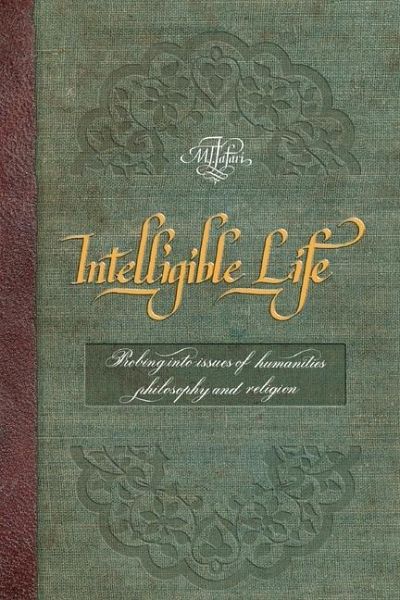
Allama Jafari believes that once we study the history of human life tells us that people usually choose between two broader styles of life: absolute natural life and intelligible life. Intelligible life style promotes conscious living. Intelligible life style executes personal consciousness in a way that helps individuals to achieve greater self autonomy, control and exercise of free will. It regulates the deterministic and pseudo-deterministic forces governing natural activities while individuals strive to progress towards higher goals. The scope of intelligible life according to Allama is above and beyond various religious doctrines and ideologies. He prescribes it as the way and means of overcoming the multiple crises Western culture is trapped in, which is enhancing unhappiness, neuroticism and disillusionment among individuals and societies. Allama Jafari has cautioned that living merely a natural life is akin to animalistic life and those who are immersed into it are struggling for the survival of bodily life preoccupied with satisfaction of their primal instincts and basic needs. Since human existence becomes burdened under the yoke of individuals' carnal desires, all of its promising and elevating dimensions are neglected by following such a life style. Moreover, travelling down the path of human history, we witness that 'absolute natural life' has left but negative impact upon human will, thought and action. Some of these negative outcomes are as follows: The departure of constructive love (Ishq) and ambition from our lives, confrontation of right against might, narcissism and self-centeredness, relationships grounded in selfish motives and personal wellbeing, viewing the 'self' as the end and others as the means while understanding that ends would be justifying the means, shattering traditions without any moral reason, absence of Telos, philosophy and objective of life, nihilism, insecurity and anxiety about the future, self- alienation, inability to reach balanced relationship between self and society, the dissolution of the feeling of "transcendental unity in existence", loosing grip over various aspects of one's life by gradual weakening of sublime feelings and humane thoughts, making life-giving foundations of noble cultures unstable, and finally the regrettable failure in interpreting and analyzing connection between relative and absolute issues. Allama has identified following principles governing the intelligible life:1. Escalated Consciousness: An individual leading intelligible life chooses to live rationally. The person experiences complete freedom of thought and action and consciously picks values and principles for building up his/her personality and character. Such persons feel complete autonomy in self governing their activities, which are not outcome of any blind following of lives and behaviors of others.2. Following the trajectory of elevating goals: While traveling the path of intelligible life, persons seek excellence both in speech and action; even a singular neural activity is an effort to transform itself into a better one. Intelligible life is seen as progression through certain stages in life; however, it is a continuous journey and at none of these stages of life the wayfarer believes that he/she has reached perfection; therefore seeking continuous improvement in one aspect of life or the other is the job in which seekers are happily engaged throughout their lives.