- Broschiertes Buch
- Merkliste
- Auf die Merkliste
- Bewerten Bewerten
- Teilen
- Produkt teilen
- Produkterinnerung
- Produkterinnerung
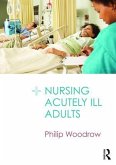
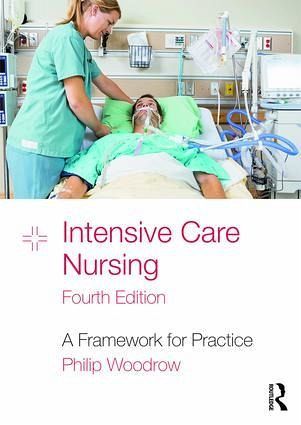
This thoroughly updated text covers patient-focused issues; the technical knowledge necessary to care safely for ICU patients; the more common and specialized disease processes and treatments encountered; and how nurses can use their knowledge and skills to develop practice. It is essential reading for nurses working with seriously ill patients.

Andere Kunden interessierten sich auch für
50 Landmark Papers every Intensivist Should Know37,99 €
Marie BismarkExperiences of Health Workers in the COVID-19 Pandemic42,99 €
Marie BismarkExperiences of Health Workers in the COVID-19 Pandemic154,99 €
Philip Woodrow (UK East Kent Hospitals NHS Trust)Nursing Acutely Ill Adults75,99 €
Mary Beth Flynn Makic (University of Colorado College of ProfessorSole's Introduction to Critical Care Nursing139,99 €
Linda D. Urden (Hahn School of Nursing Professor Emeritus and HealPriorities in Critical Care Nursing113,99 €
AWHONNCore Curriculum for Neonatal Intensive Care Nursing122,99 €-
-
-
This thoroughly updated text covers patient-focused issues; the technical knowledge necessary to care safely for ICU patients; the more common and specialized disease processes and treatments encountered; and how nurses can use their knowledge and skills to develop practice. It is essential reading for nurses working with seriously ill patients.
Produktdetails
- Produktdetails
- Verlag: Taylor & Francis Ltd
- 4 ed
- Seitenzahl: 606
- Erscheinungstermin: 3. Oktober 2018
- Englisch
- Abmessung: 246mm x 177mm x 27mm
- Gewicht: 1196g
- ISBN-13: 9781138713802
- ISBN-10: 1138713805
- Artikelnr.: 52915453
- Herstellerkennzeichnung
- Libri GmbH
- Europaallee 1
- 36244 Bad Hersfeld
- gpsr@libri.de
- Verlag: Taylor & Francis Ltd
- 4 ed
- Seitenzahl: 606
- Erscheinungstermin: 3. Oktober 2018
- Englisch
- Abmessung: 246mm x 177mm x 27mm
- Gewicht: 1196g
- ISBN-13: 9781138713802
- ISBN-10: 1138713805
- Artikelnr.: 52915453
- Herstellerkennzeichnung
- Libri GmbH
- Europaallee 1
- 36244 Bad Hersfeld
- gpsr@libri.de
Philip Woodrow is Practice Development Nurse in Critical Care at East Kent Hospitals University Foundation Trust, UK.
Part 1: Contexts Of Care
1. Nursing Perspectives
2. Humanism
3. Psychological Care
Part 2: Fundamental
4. Artificial Ventilation
5. Airway Management
6. Sedation
7. Acute Pain Management
8. Thermoregulation
9. Nutrition and Bowel Care
10. Mouthcare
11. Eyecare
12. Tiessue Viability
13. Children in Adult ICUs
14. Older Patients in ICU
15. Infection Prevention and Control
16. Pandemic Planning
Part 3: Monitoring
17. Respiratory Monitoring
18. Gas Carriage
19. Blood Gas Interpretation
20. Haemodynamic Monitoring
21. Blood Results
22. ECGs and Dysrhythmias
23. Neurological Monitoring
Part 4: Micropathologies
24. Cellular Pathology
25. Immunity and Immunodeficiency
26. Haemostasis
Part 5: Respiratory
27. Acute Respiratory Distress Syndrome (ARDS)
28. Alternative Ventilation
Part 6: Cardiovascular
29. Acute Coronary Syndromes
30. Coronary Surgery and Interventions
31. Shock
32. Sepsis
33. Fluid Management
34. Inotropes and Vasopressors
35. Vascular Surgery
Part 7: Neurological
36. Central Nervous System Injury
37. Peripheral Neurological Pathologies
Part 8: Abdominal
38. Acute Kidney Injury
39. Haemofiltration
40. Gastrointestinal Bleeds
41. Liver Failure
42. Obstetric Admissions to ICU
43. Organ Donation
Part 9: Metabolic
44. Severe Acute Pancreatitis
45. Diabetic Crises
46. Self-poisoning
Part 10: Professional
47. Transferring Critically Ill Patients
48. Professional Perspectives
49. Managing the ICU
50. Costs of Intensive Care
1. Nursing Perspectives
2. Humanism
3. Psychological Care
Part 2: Fundamental
4. Artificial Ventilation
5. Airway Management
6. Sedation
7. Acute Pain Management
8. Thermoregulation
9. Nutrition and Bowel Care
10. Mouthcare
11. Eyecare
12. Tiessue Viability
13. Children in Adult ICUs
14. Older Patients in ICU
15. Infection Prevention and Control
16. Pandemic Planning
Part 3: Monitoring
17. Respiratory Monitoring
18. Gas Carriage
19. Blood Gas Interpretation
20. Haemodynamic Monitoring
21. Blood Results
22. ECGs and Dysrhythmias
23. Neurological Monitoring
Part 4: Micropathologies
24. Cellular Pathology
25. Immunity and Immunodeficiency
26. Haemostasis
Part 5: Respiratory
27. Acute Respiratory Distress Syndrome (ARDS)
28. Alternative Ventilation
Part 6: Cardiovascular
29. Acute Coronary Syndromes
30. Coronary Surgery and Interventions
31. Shock
32. Sepsis
33. Fluid Management
34. Inotropes and Vasopressors
35. Vascular Surgery
Part 7: Neurological
36. Central Nervous System Injury
37. Peripheral Neurological Pathologies
Part 8: Abdominal
38. Acute Kidney Injury
39. Haemofiltration
40. Gastrointestinal Bleeds
41. Liver Failure
42. Obstetric Admissions to ICU
43. Organ Donation
Part 9: Metabolic
44. Severe Acute Pancreatitis
45. Diabetic Crises
46. Self-poisoning
Part 10: Professional
47. Transferring Critically Ill Patients
48. Professional Perspectives
49. Managing the ICU
50. Costs of Intensive Care
Part 1: Contexts Of Care
1. Nursing Perspectives
2. Humanism
3. Psychological Care
Part 2: Fundamental
4. Artificial Ventilation
5. Airway Management
6. Sedation
7. Acute Pain Management
8. Thermoregulation
9. Nutrition and Bowel Care
10. Mouthcare
11. Eyecare
12. Tiessue Viability
13. Children in Adult ICUs
14. Older Patients in ICU
15. Infection Prevention and Control
16. Pandemic Planning
Part 3: Monitoring
17. Respiratory Monitoring
18. Gas Carriage
19. Blood Gas Interpretation
20. Haemodynamic Monitoring
21. Blood Results
22. ECGs and Dysrhythmias
23. Neurological Monitoring
Part 4: Micropathologies
24. Cellular Pathology
25. Immunity and Immunodeficiency
26. Haemostasis
Part 5: Respiratory
27. Acute Respiratory Distress Syndrome (ARDS)
28. Alternative Ventilation
Part 6: Cardiovascular
29. Acute Coronary Syndromes
30. Coronary Surgery and Interventions
31. Shock
32. Sepsis
33. Fluid Management
34. Inotropes and Vasopressors
35. Vascular Surgery
Part 7: Neurological
36. Central Nervous System Injury
37. Peripheral Neurological Pathologies
Part 8: Abdominal
38. Acute Kidney Injury
39. Haemofiltration
40. Gastrointestinal Bleeds
41. Liver Failure
42. Obstetric Admissions to ICU
43. Organ Donation
Part 9: Metabolic
44. Severe Acute Pancreatitis
45. Diabetic Crises
46. Self-poisoning
Part 10: Professional
47. Transferring Critically Ill Patients
48. Professional Perspectives
49. Managing the ICU
50. Costs of Intensive Care
1. Nursing Perspectives
2. Humanism
3. Psychological Care
Part 2: Fundamental
4. Artificial Ventilation
5. Airway Management
6. Sedation
7. Acute Pain Management
8. Thermoregulation
9. Nutrition and Bowel Care
10. Mouthcare
11. Eyecare
12. Tiessue Viability
13. Children in Adult ICUs
14. Older Patients in ICU
15. Infection Prevention and Control
16. Pandemic Planning
Part 3: Monitoring
17. Respiratory Monitoring
18. Gas Carriage
19. Blood Gas Interpretation
20. Haemodynamic Monitoring
21. Blood Results
22. ECGs and Dysrhythmias
23. Neurological Monitoring
Part 4: Micropathologies
24. Cellular Pathology
25. Immunity and Immunodeficiency
26. Haemostasis
Part 5: Respiratory
27. Acute Respiratory Distress Syndrome (ARDS)
28. Alternative Ventilation
Part 6: Cardiovascular
29. Acute Coronary Syndromes
30. Coronary Surgery and Interventions
31. Shock
32. Sepsis
33. Fluid Management
34. Inotropes and Vasopressors
35. Vascular Surgery
Part 7: Neurological
36. Central Nervous System Injury
37. Peripheral Neurological Pathologies
Part 8: Abdominal
38. Acute Kidney Injury
39. Haemofiltration
40. Gastrointestinal Bleeds
41. Liver Failure
42. Obstetric Admissions to ICU
43. Organ Donation
Part 9: Metabolic
44. Severe Acute Pancreatitis
45. Diabetic Crises
46. Self-poisoning
Part 10: Professional
47. Transferring Critically Ill Patients
48. Professional Perspectives
49. Managing the ICU
50. Costs of Intensive Care