
Intersubjective Minds
Rhythm, Sympathy, and Human Being
Herausgeber: Delafield Butt, Jonathan; Reddy, Vasu
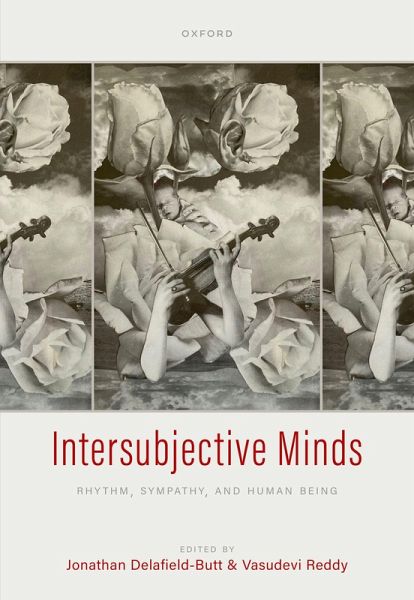
Intersubjective Minds
Rhythm, Sympathy, and Human Being
Herausgeber: Delafield Butt, Jonathan; Reddy, Vasu
- Gebundenes Buch
Andere Kunden interessierten sich auch für
 Henry M WellmanReading Minds48,99 €
 Thomas OgdenReverie and Interpretation151,99 €
 Peter PhilippsonThe Emergent Self157,99 €
 Stein Bråten (ed.)Intersubjective Communication and Emotion in Early Ontogeny146,99 €
 Jenni A. OgdenFractured Minds151,99 €
 The Oxford Handbook of Eeg Frequency147,99 €
 Robert S. SieglerEmerging Minds71,99 €
-
-
-


Produktdetails
- Verlag: Oxford University Press
- Seitenzahl: 656
- Erscheinungstermin: 12. Mai 2025
- Englisch
- Abmessung: 246mm x 182mm x 32mm
- Gewicht: 1311g
- ISBN-13: 9780192865373
- ISBN-10: 0192865374
- Artikelnr.: 73483106
- Herstellerkennzeichnung
- Libri GmbH
- Europaallee 1
- 36244 Bad Hersfeld
- gpsr@libri.de
* 1: Andrew Packard: Foreword
* 2: Jonathan Delafield-Butt and Vasudevi Reddy: Agency and Affect in
the Intentional Activity of the Infant: The life work of Colwyn
Trevarthen
* Babies and Others
* 3: Ben Bradley: The Evidence for Innate Intersubjectivity
* 4: Nadja Reissland: The psychology of prenatal research: is there a
future in behavioural observational research?
* 5: Emese Nagy: Conversations with a 2-day old
* 6: Nadia Bruschweiler Stern: Attachment, Moment of Meeting and
Intersubjectivity at birth
* 7: Alexandra Harrison and Ed Tronick: Trevarthen's Primary
Intersubjectivity: An Appreciation and an Elaboration.
* 8: R Peter Hobson: Intersubjectivity: A unit of analysis for
developmental psychology.
* Mood, Music and Play
* 9: Maya Gratier: From intersubjectivity to atmosphere: insights from
photography
* 10: Nigel Osborne: The psychobiologist who taught musicians how to
sing.
* 11: Koichi Negayama and Shigeru Nakano: Play, Tickling and
Companionship.
* 12: Benjaman Schogler and David Lee.: Elements of communication: A
Dialogue
* 13: Stephen Malloch: Therapeutic Conversations: Sharing and Building
Communicative Musicality
* 14: Diana Gilchrist and Katie Overy: How does vocal portamento differ
from vocal glissando? A Case Study
* 15: Shaun Gallagher: The music of intersubjective interaction:
Distinguishing basic and higher-order empathies
* Mirrors, Brains and Expressions
* 18: Lynne Murray and Pier Francesco Ferrari: The Functional
Architecture of Mother-Infant Communication, and the Mirror Neuron
System.
* 19: Giacomo Rizzolatti and Corrado Sinigaglia: Mirroring Emotions and
Vitality Forms
* 20: Jacqueline Nadel: Imitation as a synchroniser of minds and
brains.
* 21: Bruce D. Perry: Neuroarcheology, Developmental Inflection Points
and Colwyn's Voice: On Building a Neurodevelopmental Perspective into
Clinical Practice
* 22: Mark Solms: Empathy as developmental achievement
* 23: Pauline Phemister: Philosophical Consideration of the Metaphysics
of Intersubjectivity
* Meanings, Symbols and Words
* 24: Vittorio Gallese: Neoteny, social practice and meaning-making
* 25: Bjorn Merker: Human vocal production learning: the nature and
genesis of our watershed adaptation
* 26: Beatrice Beebe and Herbert Terrace: Primary Intersubjectivity and
its Role in the Development of Language: An Essay in Honour of Colwyn
Trevarthen
* 27: Helen Marwick: Intersubjective Conversations
* 28: Ulrike Ludke, Bansner, Beta, Lueck, Polzin, Schuett, Wu and Bodo
Frank: The Dance of Emotions in Infant¿s Semiolinguistic Development
- Reflections on a Relational Research Methodology
* Companions and Cultures of Care
* 29: J. Kevin Nugent, Lise Johnson, Susan Nicolson and Campbell Paul:
The artistic imagination of Colwyn Trevarthen - the poetry of newborn
behaviour and early relationships.
* 30: Hilary Kennedy and Raymond Simpson: How Colwyn's theoretical
ideas, vitality and values have created and continue to sustain VIG
development.
* 31: Suzanne Zeedyk: Companionship vs Care: Why models of infancy
matter for the 21st century
* 32: Laurent Danon-Boileau and Maria Rhode: Walking, affective ties
words and play in an autistic child.
* 33: Hisako Watanabe: Amae in infancy and the theory of
intersubjectivity and companionship: Trevarthen's contribution to
culturally-aligned clinical interventions for Japanese Families
* 34: Aline Wendy-Dunlop: Change the Child or Change the System?
Reflections on transitions in early childhood.
* 35: Darcia Narvaez: Connected Cooperative Companionship Grounds
Children's Dance into Morality
* 36: Chris Pascal and Tony Bertram: What do young children have to
say? Recognising their wisdom, agency and need for companionship in a
time of crisis.
* CODA
* 37: Colwyn Trevarthen: Universal Harmony
* 2: Jonathan Delafield-Butt and Vasudevi Reddy: Agency and Affect in
the Intentional Activity of the Infant: The life work of Colwyn
Trevarthen
* Babies and Others
* 3: Ben Bradley: The Evidence for Innate Intersubjectivity
* 4: Nadja Reissland: The psychology of prenatal research: is there a
future in behavioural observational research?
* 5: Emese Nagy: Conversations with a 2-day old
* 6: Nadia Bruschweiler Stern: Attachment, Moment of Meeting and
Intersubjectivity at birth
* 7: Alexandra Harrison and Ed Tronick: Trevarthen's Primary
Intersubjectivity: An Appreciation and an Elaboration.
* 8: R Peter Hobson: Intersubjectivity: A unit of analysis for
developmental psychology.
* Mood, Music and Play
* 9: Maya Gratier: From intersubjectivity to atmosphere: insights from
photography
* 10: Nigel Osborne: The psychobiologist who taught musicians how to
sing.
* 11: Koichi Negayama and Shigeru Nakano: Play, Tickling and
Companionship.
* 12: Benjaman Schogler and David Lee.: Elements of communication: A
Dialogue
* 13: Stephen Malloch: Therapeutic Conversations: Sharing and Building
Communicative Musicality
* 14: Diana Gilchrist and Katie Overy: How does vocal portamento differ
from vocal glissando? A Case Study
* 15: Shaun Gallagher: The music of intersubjective interaction:
Distinguishing basic and higher-order empathies
* Mirrors, Brains and Expressions
* 18: Lynne Murray and Pier Francesco Ferrari: The Functional
Architecture of Mother-Infant Communication, and the Mirror Neuron
System.
* 19: Giacomo Rizzolatti and Corrado Sinigaglia: Mirroring Emotions and
Vitality Forms
* 20: Jacqueline Nadel: Imitation as a synchroniser of minds and
brains.
* 21: Bruce D. Perry: Neuroarcheology, Developmental Inflection Points
and Colwyn's Voice: On Building a Neurodevelopmental Perspective into
Clinical Practice
* 22: Mark Solms: Empathy as developmental achievement
* 23: Pauline Phemister: Philosophical Consideration of the Metaphysics
of Intersubjectivity
* Meanings, Symbols and Words
* 24: Vittorio Gallese: Neoteny, social practice and meaning-making
* 25: Bjorn Merker: Human vocal production learning: the nature and
genesis of our watershed adaptation
* 26: Beatrice Beebe and Herbert Terrace: Primary Intersubjectivity and
its Role in the Development of Language: An Essay in Honour of Colwyn
Trevarthen
* 27: Helen Marwick: Intersubjective Conversations
* 28: Ulrike Ludke, Bansner, Beta, Lueck, Polzin, Schuett, Wu and Bodo
Frank: The Dance of Emotions in Infant¿s Semiolinguistic Development
- Reflections on a Relational Research Methodology
* Companions and Cultures of Care
* 29: J. Kevin Nugent, Lise Johnson, Susan Nicolson and Campbell Paul:
The artistic imagination of Colwyn Trevarthen - the poetry of newborn
behaviour and early relationships.
* 30: Hilary Kennedy and Raymond Simpson: How Colwyn's theoretical
ideas, vitality and values have created and continue to sustain VIG
development.
* 31: Suzanne Zeedyk: Companionship vs Care: Why models of infancy
matter for the 21st century
* 32: Laurent Danon-Boileau and Maria Rhode: Walking, affective ties
words and play in an autistic child.
* 33: Hisako Watanabe: Amae in infancy and the theory of
intersubjectivity and companionship: Trevarthen's contribution to
culturally-aligned clinical interventions for Japanese Families
* 34: Aline Wendy-Dunlop: Change the Child or Change the System?
Reflections on transitions in early childhood.
* 35: Darcia Narvaez: Connected Cooperative Companionship Grounds
Children's Dance into Morality
* 36: Chris Pascal and Tony Bertram: What do young children have to
say? Recognising their wisdom, agency and need for companionship in a
time of crisis.
* CODA
* 37: Colwyn Trevarthen: Universal Harmony
* 1: Andrew Packard: Foreword
* 2: Jonathan Delafield-Butt and Vasudevi Reddy: Agency and Affect in
the Intentional Activity of the Infant: The life work of Colwyn
Trevarthen
* Babies and Others
* 3: Ben Bradley: The Evidence for Innate Intersubjectivity
* 4: Nadja Reissland: The psychology of prenatal research: is there a
future in behavioural observational research?
* 5: Emese Nagy: Conversations with a 2-day old
* 6: Nadia Bruschweiler Stern: Attachment, Moment of Meeting and
Intersubjectivity at birth
* 7: Alexandra Harrison and Ed Tronick: Trevarthen's Primary
Intersubjectivity: An Appreciation and an Elaboration.
* 8: R Peter Hobson: Intersubjectivity: A unit of analysis for
developmental psychology.
* Mood, Music and Play
* 9: Maya Gratier: From intersubjectivity to atmosphere: insights from
photography
* 10: Nigel Osborne: The psychobiologist who taught musicians how to
sing.
* 11: Koichi Negayama and Shigeru Nakano: Play, Tickling and
Companionship.
* 12: Benjaman Schogler and David Lee.: Elements of communication: A
Dialogue
* 13: Stephen Malloch: Therapeutic Conversations: Sharing and Building
Communicative Musicality
* 14: Diana Gilchrist and Katie Overy: How does vocal portamento differ
from vocal glissando? A Case Study
* 15: Shaun Gallagher: The music of intersubjective interaction:
Distinguishing basic and higher-order empathies
* Mirrors, Brains and Expressions
* 18: Lynne Murray and Pier Francesco Ferrari: The Functional
Architecture of Mother-Infant Communication, and the Mirror Neuron
System.
* 19: Giacomo Rizzolatti and Corrado Sinigaglia: Mirroring Emotions and
Vitality Forms
* 20: Jacqueline Nadel: Imitation as a synchroniser of minds and
brains.
* 21: Bruce D. Perry: Neuroarcheology, Developmental Inflection Points
and Colwyn's Voice: On Building a Neurodevelopmental Perspective into
Clinical Practice
* 22: Mark Solms: Empathy as developmental achievement
* 23: Pauline Phemister: Philosophical Consideration of the Metaphysics
of Intersubjectivity
* Meanings, Symbols and Words
* 24: Vittorio Gallese: Neoteny, social practice and meaning-making
* 25: Bjorn Merker: Human vocal production learning: the nature and
genesis of our watershed adaptation
* 26: Beatrice Beebe and Herbert Terrace: Primary Intersubjectivity and
its Role in the Development of Language: An Essay in Honour of Colwyn
Trevarthen
* 27: Helen Marwick: Intersubjective Conversations
* 28: Ulrike Ludke, Bansner, Beta, Lueck, Polzin, Schuett, Wu and Bodo
Frank: The Dance of Emotions in Infant¿s Semiolinguistic Development
- Reflections on a Relational Research Methodology
* Companions and Cultures of Care
* 29: J. Kevin Nugent, Lise Johnson, Susan Nicolson and Campbell Paul:
The artistic imagination of Colwyn Trevarthen - the poetry of newborn
behaviour and early relationships.
* 30: Hilary Kennedy and Raymond Simpson: How Colwyn's theoretical
ideas, vitality and values have created and continue to sustain VIG
development.
* 31: Suzanne Zeedyk: Companionship vs Care: Why models of infancy
matter for the 21st century
* 32: Laurent Danon-Boileau and Maria Rhode: Walking, affective ties
words and play in an autistic child.
* 33: Hisako Watanabe: Amae in infancy and the theory of
intersubjectivity and companionship: Trevarthen's contribution to
culturally-aligned clinical interventions for Japanese Families
* 34: Aline Wendy-Dunlop: Change the Child or Change the System?
Reflections on transitions in early childhood.
* 35: Darcia Narvaez: Connected Cooperative Companionship Grounds
Children's Dance into Morality
* 36: Chris Pascal and Tony Bertram: What do young children have to
say? Recognising their wisdom, agency and need for companionship in a
time of crisis.
* CODA
* 37: Colwyn Trevarthen: Universal Harmony
* 2: Jonathan Delafield-Butt and Vasudevi Reddy: Agency and Affect in
the Intentional Activity of the Infant: The life work of Colwyn
Trevarthen
* Babies and Others
* 3: Ben Bradley: The Evidence for Innate Intersubjectivity
* 4: Nadja Reissland: The psychology of prenatal research: is there a
future in behavioural observational research?
* 5: Emese Nagy: Conversations with a 2-day old
* 6: Nadia Bruschweiler Stern: Attachment, Moment of Meeting and
Intersubjectivity at birth
* 7: Alexandra Harrison and Ed Tronick: Trevarthen's Primary
Intersubjectivity: An Appreciation and an Elaboration.
* 8: R Peter Hobson: Intersubjectivity: A unit of analysis for
developmental psychology.
* Mood, Music and Play
* 9: Maya Gratier: From intersubjectivity to atmosphere: insights from
photography
* 10: Nigel Osborne: The psychobiologist who taught musicians how to
sing.
* 11: Koichi Negayama and Shigeru Nakano: Play, Tickling and
Companionship.
* 12: Benjaman Schogler and David Lee.: Elements of communication: A
Dialogue
* 13: Stephen Malloch: Therapeutic Conversations: Sharing and Building
Communicative Musicality
* 14: Diana Gilchrist and Katie Overy: How does vocal portamento differ
from vocal glissando? A Case Study
* 15: Shaun Gallagher: The music of intersubjective interaction:
Distinguishing basic and higher-order empathies
* Mirrors, Brains and Expressions
* 18: Lynne Murray and Pier Francesco Ferrari: The Functional
Architecture of Mother-Infant Communication, and the Mirror Neuron
System.
* 19: Giacomo Rizzolatti and Corrado Sinigaglia: Mirroring Emotions and
Vitality Forms
* 20: Jacqueline Nadel: Imitation as a synchroniser of minds and
brains.
* 21: Bruce D. Perry: Neuroarcheology, Developmental Inflection Points
and Colwyn's Voice: On Building a Neurodevelopmental Perspective into
Clinical Practice
* 22: Mark Solms: Empathy as developmental achievement
* 23: Pauline Phemister: Philosophical Consideration of the Metaphysics
of Intersubjectivity
* Meanings, Symbols and Words
* 24: Vittorio Gallese: Neoteny, social practice and meaning-making
* 25: Bjorn Merker: Human vocal production learning: the nature and
genesis of our watershed adaptation
* 26: Beatrice Beebe and Herbert Terrace: Primary Intersubjectivity and
its Role in the Development of Language: An Essay in Honour of Colwyn
Trevarthen
* 27: Helen Marwick: Intersubjective Conversations
* 28: Ulrike Ludke, Bansner, Beta, Lueck, Polzin, Schuett, Wu and Bodo
Frank: The Dance of Emotions in Infant¿s Semiolinguistic Development
- Reflections on a Relational Research Methodology
* Companions and Cultures of Care
* 29: J. Kevin Nugent, Lise Johnson, Susan Nicolson and Campbell Paul:
The artistic imagination of Colwyn Trevarthen - the poetry of newborn
behaviour and early relationships.
* 30: Hilary Kennedy and Raymond Simpson: How Colwyn's theoretical
ideas, vitality and values have created and continue to sustain VIG
development.
* 31: Suzanne Zeedyk: Companionship vs Care: Why models of infancy
matter for the 21st century
* 32: Laurent Danon-Boileau and Maria Rhode: Walking, affective ties
words and play in an autistic child.
* 33: Hisako Watanabe: Amae in infancy and the theory of
intersubjectivity and companionship: Trevarthen's contribution to
culturally-aligned clinical interventions for Japanese Families
* 34: Aline Wendy-Dunlop: Change the Child or Change the System?
Reflections on transitions in early childhood.
* 35: Darcia Narvaez: Connected Cooperative Companionship Grounds
Children's Dance into Morality
* 36: Chris Pascal and Tony Bertram: What do young children have to
say? Recognising their wisdom, agency and need for companionship in a
time of crisis.
* CODA
* 37: Colwyn Trevarthen: Universal Harmony