
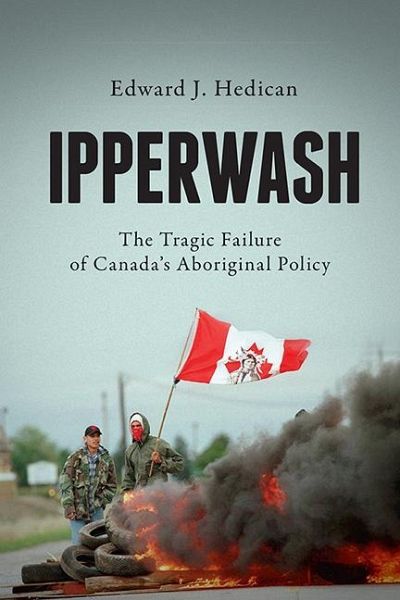
- Gebundenes Buch
- Merkliste
- Auf die Merkliste
- Bewerten Bewerten
- Teilen
- Produkt teilen
- Produkterinnerung
- Produkterinnerung
Edward J. Hedican's Ipperwash provides an incisive examination of protest and dissent within the context of land claims disputes and Aboriginal rights.
Andere Kunden interessierten sich auch für
 Christopher AlcantaraNegotiating the Deal71,99 €
 John BorrowsThe Right Relationship50,99 €
 Kristin GoodCanadian Urban Governance in Comparative Perspective88,99 €
 Claude MorinQuebec versus Ottawa30,99 €
 Daniel BélandUniversality and Social Policy in Canada43,99 €
 Lois HarderCanadian Club30,99 €
 Tracey RaneyGender-Based Violence in Canadian Politics in the #Metoo Era79,99 €
-
-
-


Edward J. Hedican's Ipperwash provides an incisive examination of protest and dissent within the context of land claims disputes and Aboriginal rights.
Produktdetails
- Produktdetails
- Verlag: University of Toronto Press
- Seitenzahl: 320
- Erscheinungstermin: 4. Mai 2013
- Englisch
- Abmessung: 231mm x 150mm x 25mm
- Gewicht: 594g
- ISBN-13: 9781442640467
- ISBN-10: 1442640464
- Artikelnr.: 28196032
- Herstellerkennzeichnung
- Libri GmbH
- Europaallee 1
- 36244 Bad Hersfeld
- gpsr@libri.de
- Verlag: University of Toronto Press
- Seitenzahl: 320
- Erscheinungstermin: 4. Mai 2013
- Englisch
- Abmessung: 231mm x 150mm x 25mm
- Gewicht: 594g
- ISBN-13: 9781442640467
- ISBN-10: 1442640464
- Artikelnr.: 28196032
- Herstellerkennzeichnung
- Libri GmbH
- Europaallee 1
- 36244 Bad Hersfeld
- gpsr@libri.de
Edward J. Hedican is a professor emeritus of anthropology at the University of Guelph. He is the author of Ipperwash: The Tragic Failure of Canada's Aboriginal Policy and Applied Anthropology in Canada: Understanding Aboriginal Issues.
Preface
1. Introduction
* Ipperwash as a Case Study; Dissent and Society
* The So-Called ‘Indian Problem’
* Research on Aboriginal Policy; Legal, Cultural, and Social
Variability
* Modern Aboriginal Conditions
* The Scope of the Book
2. Aboriginal Policy in Canada
* The Royal Commission on Aboriginal Peoples (1996)
* Nunavut: A New Land, A New Deal (1999)
* Ipperwash Inquiry (1995-2007; Canada Votes against UN Aboriginal
Rights Declaration (2007)
* Prime Minister Harper’s Apology (2008)
* Aboriginal Leader’s Reactions
* Urban Aboriginal Strategy (1997-2012)
* Assessing Canada’s Aboriginal Policy
* Conclusion
3. The Nature of Aboriginal Rights
* The Context of Aboriginal Claims
* The Concept of Aboriginal Rights
* Treaties and Land Surrenders
* Aboriginal Claims Policy
* The Courts and Aboriginal Claims
* Conclusion
4. The Politics of Resistance and Confrontation
* Contested Ground: The Nature of Resistance
* The Ojibway Warrior Society, Kenora, Ontario (1974)
* The Teme-Augama Anishnabai Logging Blockade (1988)
* The Innu and the Goose Bay Air Base Occupation (1988)
* The Lubicon Lake Cree Confrontation (1988)
* The Mohawk Warrior Society, Oka, Quebec (1990)
* First Nations Policing Policy (1992)
* The Gustafsen Lake Standoff (1995)
* The Burnt Church Fishing Dispute (2002)
* Caledonia and the Grand River Land Dispute (2006)
* Grassy Narrows: Mercury Poisoning and Forest Management Protest
(2006)
* The Akwesasne Border Confrontation (2009)
* Patterns of Resistance: Comparative Perspectives
* Aboriginal-Police Relations: Resistance and Reconciliation
* Conclusion
5. The Ipperwash confrontation
* Aboriginal Origins in Ontario
* Kettle and Stony Point First Nations
* Land Cessions
* The Occupation of Ipperwash Park
* The Ontario Government’s Response
* Racial and Culturally Intolerant Attitudes
* The Shooting of Dudley George
* The OPP Response
* A Framework for Police Preparedness
* Chiefs of Ontario Response to the Framework
* Did the OPP Forget the Lessons of Ipperwash?
* Amnesty International is Watching
* Ipperwash Inquiry Backlash
* Ipperwash and the Media
* Conclusion
6. Ipperwash Inquiry Recommendations
* Ipperwash Inquiry Recommendations
* Policing Aboriginal Protests and Occupations
* Facilitating Negotiations
* Project Maple: Crisis Negotiation
* Redressive Action
* Treaty Commission of Ontario
* Wider Considerations of the Ipperwash Inquiry
* Update: Return of Land and Settlements
* Conclusion
7. Ipperwash as Racial Oppression
* Anti-Native Prejudice
* Understanding Racial Oppression
* The Violent Suppression of Aboriginal Protests
* Policy Recommendations Concerning Aboriginal Protests
* Aboriginal Policy as an Exercise of Choice?
* The Systemic Nature of Racial Oppression
* Conclusion
8. Institutional Racism in Canada
* The Characteristics of Institutional Racism
* The Media
* The Police
* The State
* A Policy of Respect, Justice and Tolerance
* Summary of Aboriginal Issues
* Concluding Remarks on Aboriginal Protests and Resistance
NOTES
References
Appendix
Index
1. Introduction
* Ipperwash as a Case Study; Dissent and Society
* The So-Called ‘Indian Problem’
* Research on Aboriginal Policy; Legal, Cultural, and Social
Variability
* Modern Aboriginal Conditions
* The Scope of the Book
2. Aboriginal Policy in Canada
* The Royal Commission on Aboriginal Peoples (1996)
* Nunavut: A New Land, A New Deal (1999)
* Ipperwash Inquiry (1995-2007; Canada Votes against UN Aboriginal
Rights Declaration (2007)
* Prime Minister Harper’s Apology (2008)
* Aboriginal Leader’s Reactions
* Urban Aboriginal Strategy (1997-2012)
* Assessing Canada’s Aboriginal Policy
* Conclusion
3. The Nature of Aboriginal Rights
* The Context of Aboriginal Claims
* The Concept of Aboriginal Rights
* Treaties and Land Surrenders
* Aboriginal Claims Policy
* The Courts and Aboriginal Claims
* Conclusion
4. The Politics of Resistance and Confrontation
* Contested Ground: The Nature of Resistance
* The Ojibway Warrior Society, Kenora, Ontario (1974)
* The Teme-Augama Anishnabai Logging Blockade (1988)
* The Innu and the Goose Bay Air Base Occupation (1988)
* The Lubicon Lake Cree Confrontation (1988)
* The Mohawk Warrior Society, Oka, Quebec (1990)
* First Nations Policing Policy (1992)
* The Gustafsen Lake Standoff (1995)
* The Burnt Church Fishing Dispute (2002)
* Caledonia and the Grand River Land Dispute (2006)
* Grassy Narrows: Mercury Poisoning and Forest Management Protest
(2006)
* The Akwesasne Border Confrontation (2009)
* Patterns of Resistance: Comparative Perspectives
* Aboriginal-Police Relations: Resistance and Reconciliation
* Conclusion
5. The Ipperwash confrontation
* Aboriginal Origins in Ontario
* Kettle and Stony Point First Nations
* Land Cessions
* The Occupation of Ipperwash Park
* The Ontario Government’s Response
* Racial and Culturally Intolerant Attitudes
* The Shooting of Dudley George
* The OPP Response
* A Framework for Police Preparedness
* Chiefs of Ontario Response to the Framework
* Did the OPP Forget the Lessons of Ipperwash?
* Amnesty International is Watching
* Ipperwash Inquiry Backlash
* Ipperwash and the Media
* Conclusion
6. Ipperwash Inquiry Recommendations
* Ipperwash Inquiry Recommendations
* Policing Aboriginal Protests and Occupations
* Facilitating Negotiations
* Project Maple: Crisis Negotiation
* Redressive Action
* Treaty Commission of Ontario
* Wider Considerations of the Ipperwash Inquiry
* Update: Return of Land and Settlements
* Conclusion
7. Ipperwash as Racial Oppression
* Anti-Native Prejudice
* Understanding Racial Oppression
* The Violent Suppression of Aboriginal Protests
* Policy Recommendations Concerning Aboriginal Protests
* Aboriginal Policy as an Exercise of Choice?
* The Systemic Nature of Racial Oppression
* Conclusion
8. Institutional Racism in Canada
* The Characteristics of Institutional Racism
* The Media
* The Police
* The State
* A Policy of Respect, Justice and Tolerance
* Summary of Aboriginal Issues
* Concluding Remarks on Aboriginal Protests and Resistance
NOTES
References
Appendix
Index
Preface
1. Introduction
* Ipperwash as a Case Study; Dissent and Society
* The So-Called ‘Indian Problem’
* Research on Aboriginal Policy; Legal, Cultural, and Social
Variability
* Modern Aboriginal Conditions
* The Scope of the Book
2. Aboriginal Policy in Canada
* The Royal Commission on Aboriginal Peoples (1996)
* Nunavut: A New Land, A New Deal (1999)
* Ipperwash Inquiry (1995-2007; Canada Votes against UN Aboriginal
Rights Declaration (2007)
* Prime Minister Harper’s Apology (2008)
* Aboriginal Leader’s Reactions
* Urban Aboriginal Strategy (1997-2012)
* Assessing Canada’s Aboriginal Policy
* Conclusion
3. The Nature of Aboriginal Rights
* The Context of Aboriginal Claims
* The Concept of Aboriginal Rights
* Treaties and Land Surrenders
* Aboriginal Claims Policy
* The Courts and Aboriginal Claims
* Conclusion
4. The Politics of Resistance and Confrontation
* Contested Ground: The Nature of Resistance
* The Ojibway Warrior Society, Kenora, Ontario (1974)
* The Teme-Augama Anishnabai Logging Blockade (1988)
* The Innu and the Goose Bay Air Base Occupation (1988)
* The Lubicon Lake Cree Confrontation (1988)
* The Mohawk Warrior Society, Oka, Quebec (1990)
* First Nations Policing Policy (1992)
* The Gustafsen Lake Standoff (1995)
* The Burnt Church Fishing Dispute (2002)
* Caledonia and the Grand River Land Dispute (2006)
* Grassy Narrows: Mercury Poisoning and Forest Management Protest
(2006)
* The Akwesasne Border Confrontation (2009)
* Patterns of Resistance: Comparative Perspectives
* Aboriginal-Police Relations: Resistance and Reconciliation
* Conclusion
5. The Ipperwash confrontation
* Aboriginal Origins in Ontario
* Kettle and Stony Point First Nations
* Land Cessions
* The Occupation of Ipperwash Park
* The Ontario Government’s Response
* Racial and Culturally Intolerant Attitudes
* The Shooting of Dudley George
* The OPP Response
* A Framework for Police Preparedness
* Chiefs of Ontario Response to the Framework
* Did the OPP Forget the Lessons of Ipperwash?
* Amnesty International is Watching
* Ipperwash Inquiry Backlash
* Ipperwash and the Media
* Conclusion
6. Ipperwash Inquiry Recommendations
* Ipperwash Inquiry Recommendations
* Policing Aboriginal Protests and Occupations
* Facilitating Negotiations
* Project Maple: Crisis Negotiation
* Redressive Action
* Treaty Commission of Ontario
* Wider Considerations of the Ipperwash Inquiry
* Update: Return of Land and Settlements
* Conclusion
7. Ipperwash as Racial Oppression
* Anti-Native Prejudice
* Understanding Racial Oppression
* The Violent Suppression of Aboriginal Protests
* Policy Recommendations Concerning Aboriginal Protests
* Aboriginal Policy as an Exercise of Choice?
* The Systemic Nature of Racial Oppression
* Conclusion
8. Institutional Racism in Canada
* The Characteristics of Institutional Racism
* The Media
* The Police
* The State
* A Policy of Respect, Justice and Tolerance
* Summary of Aboriginal Issues
* Concluding Remarks on Aboriginal Protests and Resistance
NOTES
References
Appendix
Index
1. Introduction
* Ipperwash as a Case Study; Dissent and Society
* The So-Called ‘Indian Problem’
* Research on Aboriginal Policy; Legal, Cultural, and Social
Variability
* Modern Aboriginal Conditions
* The Scope of the Book
2. Aboriginal Policy in Canada
* The Royal Commission on Aboriginal Peoples (1996)
* Nunavut: A New Land, A New Deal (1999)
* Ipperwash Inquiry (1995-2007; Canada Votes against UN Aboriginal
Rights Declaration (2007)
* Prime Minister Harper’s Apology (2008)
* Aboriginal Leader’s Reactions
* Urban Aboriginal Strategy (1997-2012)
* Assessing Canada’s Aboriginal Policy
* Conclusion
3. The Nature of Aboriginal Rights
* The Context of Aboriginal Claims
* The Concept of Aboriginal Rights
* Treaties and Land Surrenders
* Aboriginal Claims Policy
* The Courts and Aboriginal Claims
* Conclusion
4. The Politics of Resistance and Confrontation
* Contested Ground: The Nature of Resistance
* The Ojibway Warrior Society, Kenora, Ontario (1974)
* The Teme-Augama Anishnabai Logging Blockade (1988)
* The Innu and the Goose Bay Air Base Occupation (1988)
* The Lubicon Lake Cree Confrontation (1988)
* The Mohawk Warrior Society, Oka, Quebec (1990)
* First Nations Policing Policy (1992)
* The Gustafsen Lake Standoff (1995)
* The Burnt Church Fishing Dispute (2002)
* Caledonia and the Grand River Land Dispute (2006)
* Grassy Narrows: Mercury Poisoning and Forest Management Protest
(2006)
* The Akwesasne Border Confrontation (2009)
* Patterns of Resistance: Comparative Perspectives
* Aboriginal-Police Relations: Resistance and Reconciliation
* Conclusion
5. The Ipperwash confrontation
* Aboriginal Origins in Ontario
* Kettle and Stony Point First Nations
* Land Cessions
* The Occupation of Ipperwash Park
* The Ontario Government’s Response
* Racial and Culturally Intolerant Attitudes
* The Shooting of Dudley George
* The OPP Response
* A Framework for Police Preparedness
* Chiefs of Ontario Response to the Framework
* Did the OPP Forget the Lessons of Ipperwash?
* Amnesty International is Watching
* Ipperwash Inquiry Backlash
* Ipperwash and the Media
* Conclusion
6. Ipperwash Inquiry Recommendations
* Ipperwash Inquiry Recommendations
* Policing Aboriginal Protests and Occupations
* Facilitating Negotiations
* Project Maple: Crisis Negotiation
* Redressive Action
* Treaty Commission of Ontario
* Wider Considerations of the Ipperwash Inquiry
* Update: Return of Land and Settlements
* Conclusion
7. Ipperwash as Racial Oppression
* Anti-Native Prejudice
* Understanding Racial Oppression
* The Violent Suppression of Aboriginal Protests
* Policy Recommendations Concerning Aboriginal Protests
* Aboriginal Policy as an Exercise of Choice?
* The Systemic Nature of Racial Oppression
* Conclusion
8. Institutional Racism in Canada
* The Characteristics of Institutional Racism
* The Media
* The Police
* The State
* A Policy of Respect, Justice and Tolerance
* Summary of Aboriginal Issues
* Concluding Remarks on Aboriginal Protests and Resistance
NOTES
References
Appendix
Index