
99,99 €
inkl. MwSt.
Versandkostenfrei*Erscheint vorauss. 30. Juni 2026
Melden Sie sich
hier
hier
für den Produktalarm an, um über die Verfügbarkeit des Produkts informiert zu werden.

50 °P sammeln
Andere Kunden interessierten sich auch für
 Iranian Literature After the Islamic Revolution122,99 €
 Children of Paradise22,99 €
 Creating the Modern Iranian Woman124,99 €
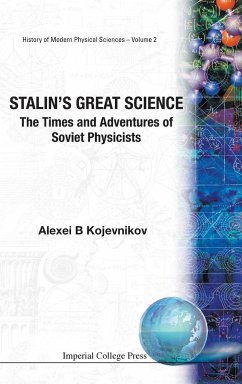
") STALIN'S GREAT SCIENCE (V2)50,99 €
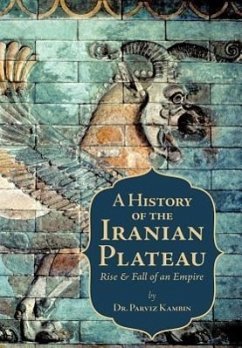
STALIN'S GREAT SCIENCE (V2)50,99 € A History of the Iranian Plateau21,99 €
") STALIN'S GREAT SCIENCE (V2)86,99 €
STALIN'S GREAT SCIENCE (V2)86,99 € Studies in Iranian History and Culture132,99 €

While Stalin's Great Terror has been extensively studied, this is the first book to uncover the fate of Iranian communists and migrant workers in the Soviet Union during the 1930s purges. It reveals how foreign nationals, particularly Iranians, were caught in the machinery of repression during one of the darkest chapters of Soviet history. Using newly accessible Soviet archives, it tells the human stories behind political repressions - stories that were buried for decades and have been entirely absent from both Iranian and Soviet historiography. By reconstructing the lives and fates of those silenced, this book challenges established narratives and emphasises the human cost of political repression. The authors provide detailed individual case studies of Iranians who were arrested, deported or executed, most of whom have never appeared in the historical record before. Speaking to enduring themes of displacement, political persecution and the vulnerability of migrants under authoritarian regimes, it is a vital contribution to both historical scholarship and contemporary political reflection.