
Andere Kunden interessierten sich auch für
 Beautifying The Home Grounds26,99 €
 Home Furnishing, Practical and Artistic34,99 €
 Rug Weaving For Everyone32,99 €
 Creating a Beautiful Home30,99 €
 The art of Home Furnishing and Decoration28,99 €
 The Country Life Book of Building and Decorating29,99 €
 Character And Individuality In Decorations And Furnishings26,99 €




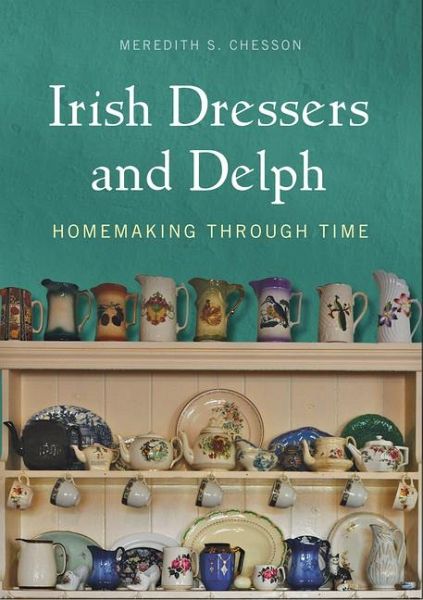
How do people transform a house or flat into a home that nourishes both body and soul? How do they engage in the alchemy of homemaking? This book focuses a scholarly lens on one homemaking practice, dresser- and delph-keeping in western Connemara, where people utilise these everyday belongings and heirlooms to evoke a powerful sense of welcome and emotional wellbeing. Written for a broad, non-specialist audience, this richly illustrated book presents the results of an anthropological and archaeological study, describing the ways that residents of the island communities of Inishbofin, Inishark, Inishturk and nearby mainland towns of Clifden and Cashel today and in the past used dressers to store and display delph and other heirlooms to convert an architectural space into a meaningful homeplace. At first blush, a dresser's fundamental job is simple: to store possessions, including ceramic table- and teawares, glass vessels, photographs, vials of holy water, letters, travel souvenirs, eyeglasses, heirlooms, money, and even wills. Dressers accomplish this task ably, but their work also encompasses the spiritual and historical realms of people's lives. Dressers and delph anchor homes, protecting and embracing memories of loved ones lost to death or emigration, as well as important milestones like births, christenings, graduations, pilgrimages, and marriages. Dressers and delph connect people across space and through time by telling stories of personal histories and social memories, and they act as symbols of hospitality, family history, and community identity. By furnishing homes with old dressers and delph, dresser- and delph-keepers today create a welcoming place to nourish families, celebrate the resiliency of their ancestors, and craft a more sustainable future for themselves and their descendants. Enthusiasts of Irish history, archaeology, anthropology, vernacular architecture, folklore, antiques, and material culture studies will find connections with their own heritage and homemaking practices.