
Andere Kunden interessierten sich auch für
 Costa Rica18,99 €
 A Fairy Guide to Lake Atitlan, Guatemala18,99 €
 Guanaja Chronicles the Last Resort19,99 €
 The New Neotropical Companion30,99 €
 Belize & Northern Guatemala22,99 €
 A Textile Traveler's Guide to Guatemala18,99 €
 Panama17,99 €



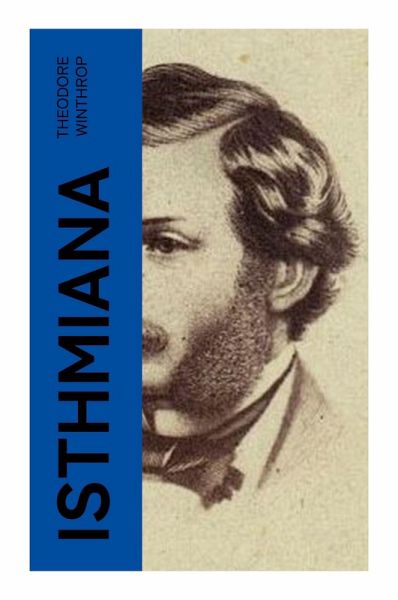
In "Isthmiana," Theodore Winthrop masterfully weaves a rich tapestry of travel narrative, personal reflection, and regional exploration. Set against the backdrop of the Pacific Northwest, the book captures Winthrop's keen observations of the natural landscape and its rich cultural tapestry during the mid-19th century. His prose, characterized by a keen sense of perception and vivid imagery, reflects the Romantic literary tradition while also embracing emerging Realist elements, making it a vital contribution to American literary heritage. Winthrop's intricate portrayal of the natural environment serves not only as a physical journey but also as an exploration of human emotion and experience, revealing the profound connection between people and the land they inhabit. Theodore Winthrop was an ardent advocate for the American West, deeply influenced by his own travels and experiences as a soldier and writer. His dedication to understanding and documenting the evolving identity of America during a time of significant change is evident in his work. The intermingling of personal narrative with broader cultural observations speaks to Winthrop's passion and awareness of the historical context of his time, enriching the reader's experience of the protagonist's journey. "Isthmiana" is an insightful and beautifully crafted invitation to explore an often-overlooked period in American literature. Readers interested in the intersecting themes of nature, identity, and cultural evolution will find Winthrop's work tremendously rewarding. As a precursor to the exploration narrative that would follow, this book deserves a place in contemporary discussions of American literary history.