
Andere Kunden interessierten sich auch für
 The Matrix19,99 €
 Analysis of the film "The Matrix"9,99 €
 The Matrix of Visual Culture127,99 €
 Matrix-Liebe18,00 €
 Worthy12,99 €
 Blockbuster Culture17,00 €
 Worthy15,99 €




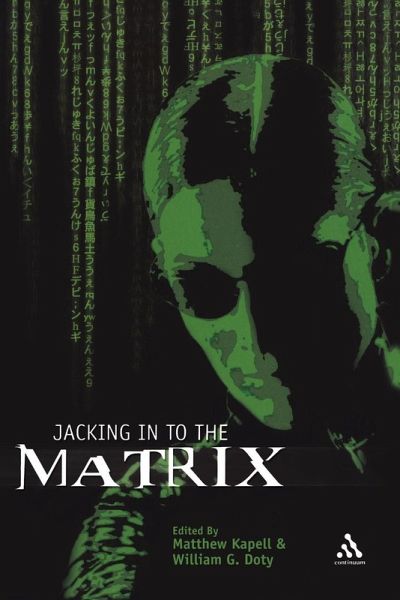
This entirely new collection of essays is the first book to examine the trilogy as a whole - as well as related products such as The Animatrix and the computer game.
- A competitively priced paperback edition
- Will appeal to science fiction enthusiasts and academics alike
The Matrix films, along with the video games, animé and toys inspired by them, are rich with philosophical, religious and social references that cry out for interpretation. Here these ideas are examined in the context of the history of thought and cinema. The variety of applications in this study is remarkable, engaging thinkers ranging from conservative Christians to postmodernist critics. Feminist issues meet cyberpunk, cosmological perspectives meet mythological and literary analysis. Violence in society, American values, politics, heroic models - all are called into question as several esteemed scholars decode the entire world of the Matrix franchise.
Review:
“a collection of meaty essays on The Matrix’s cultural meaning. Hailing from a range of scholarly disciplines, the contributors speak to the innumerable interpretations the films have inspired. By provoking such passionate and thoughtful responses, from academics and water-cooler philosophers alike, the series has embodied the cyborg dreams, the fears and desires, of Americans at the turn of the millennium. And that’s something worth reading about.”
The Boston Phoenix
“a grand tour of all the subjects that matter in film studies: gender and degenderization, race and multiraciality and embedded political values, postmodern deconstruction and reconstruction of hope. Doty and Kapell’s collection of articles ... will become a classic in film studies.”
Ginette Paris, PhD. Pacifica Graduate Institute, Spring Journal 2004
“Two things distinguish this useful mapping of the Wachowski brothers’ Matrix film trilogy... First, its range of contributors... second, the editors’ insistence on conversational writing makes for an uncommon accessibility.... Recommended.”
Choice, January 2005
Table of contents:
Introduction: William G. Doty, "The Deeper We Go, the More Complex and Sophisticated the Franchise Seems, and the Dizzier We Feel." Issues treated in this volume; contexts of looking at the franchise.
Jacking In to Issues of Gender and Race
1. Martina Lipp, "Welcome to the Sexual Spectacle: The Female Heroes in the Franchise." Perhaps it is time for a retelling of heroic mythology that does not masculinize the female hero.
2. C. Richard King and David J. Leonard, "Is Neo White? Reading Race, Watching the Trilogy." Ignoring the racial message of the franchise only reinforces old abuses of power.
Cultural and Religious Implications
3. Richard R. Jones, "Religion, Community, and Revitalization: Why Cinematic Myth Resonates." The roles of religious symbolism in an entertainment culture.
4. Bruce Isaacs and Theodore Louis Trost, "Story, Product, Franchise: Images of Postmodern Cinema." A postmodernist redemption myth with a control-freak messianic hero.
5. John Shelton Lawrence, "Fascist Redemption or Democratic Hope?" Embedded political values smack largely of American fascism.
6. Frances Flannery-Dailey and Rachel L. Wagner, "Stopping Bullets: Constructions of Bliss and Problems of Violence." The various religious themes do not overcome a reliance upon violent means.
Theorizing Cyberworlds
7. Michael Sexson, "The Déjà vu Glitch in the Matrix Trilogy." Literal versus ironic readings of the "reality" of our matrix.
8. Stephanie J. Wilhelm and Matthew Kapell, "Visions of Hope, Freedom of Choice, and the Alleviation of Social Misery: A Pragmatic Reading of the Matrix Franchise." This is neither a "postmodern" or "modern" franchise, but one that hopes for a better future for all.
9. Gray Kochhar-Lindgren, "Biomorph: The Posthuman Thing." Machine plus human plus computer software: things, they are a-changing.
The Games and Ethics of Simulation
10. Timothy Mizelle and Elizabeth Baker, "Strange Volutions: The Matrix Franchise as a Post-Human Memento Mori." Lessons about free will and choice in the new theatre of "dynamic cinema."
11. Russell Blackford, "Try the Blue Pill: What's Wrong with Life in a Simulation?" The choice of the blue pill satisfies philosophical teachings.
Conclusion
Matthew Kapell, "At the Edge of the World, Again." From Star Wars to the newest franchise using many more mediations. Perhaps it is an allegory of a new aesthetic.
Appendix: Getting with the Program/s of the Franchise - Users' Information
1 List of items in the franchise, with abbreviations used in this book
2 Glossary of names and terms in the franchise
3 Useful Internet sites
4 Recommended bibliography
Index
- A competitively priced paperback edition
- Will appeal to science fiction enthusiasts and academics alike
The Matrix films, along with the video games, animé and toys inspired by them, are rich with philosophical, religious and social references that cry out for interpretation. Here these ideas are examined in the context of the history of thought and cinema. The variety of applications in this study is remarkable, engaging thinkers ranging from conservative Christians to postmodernist critics. Feminist issues meet cyberpunk, cosmological perspectives meet mythological and literary analysis. Violence in society, American values, politics, heroic models - all are called into question as several esteemed scholars decode the entire world of the Matrix franchise.
Review:
“a collection of meaty essays on The Matrix’s cultural meaning. Hailing from a range of scholarly disciplines, the contributors speak to the innumerable interpretations the films have inspired. By provoking such passionate and thoughtful responses, from academics and water-cooler philosophers alike, the series has embodied the cyborg dreams, the fears and desires, of Americans at the turn of the millennium. And that’s something worth reading about.”
The Boston Phoenix
“a grand tour of all the subjects that matter in film studies: gender and degenderization, race and multiraciality and embedded political values, postmodern deconstruction and reconstruction of hope. Doty and Kapell’s collection of articles ... will become a classic in film studies.”
Ginette Paris, PhD. Pacifica Graduate Institute, Spring Journal 2004
“Two things distinguish this useful mapping of the Wachowski brothers’ Matrix film trilogy... First, its range of contributors... second, the editors’ insistence on conversational writing makes for an uncommon accessibility.... Recommended.”
Choice, January 2005
Table of contents:
Introduction: William G. Doty, "The Deeper We Go, the More Complex and Sophisticated the Franchise Seems, and the Dizzier We Feel." Issues treated in this volume; contexts of looking at the franchise.
Jacking In to Issues of Gender and Race
1. Martina Lipp, "Welcome to the Sexual Spectacle: The Female Heroes in the Franchise." Perhaps it is time for a retelling of heroic mythology that does not masculinize the female hero.
2. C. Richard King and David J. Leonard, "Is Neo White? Reading Race, Watching the Trilogy." Ignoring the racial message of the franchise only reinforces old abuses of power.
Cultural and Religious Implications
3. Richard R. Jones, "Religion, Community, and Revitalization: Why Cinematic Myth Resonates." The roles of religious symbolism in an entertainment culture.
4. Bruce Isaacs and Theodore Louis Trost, "Story, Product, Franchise: Images of Postmodern Cinema." A postmodernist redemption myth with a control-freak messianic hero.
5. John Shelton Lawrence, "Fascist Redemption or Democratic Hope?" Embedded political values smack largely of American fascism.
6. Frances Flannery-Dailey and Rachel L. Wagner, "Stopping Bullets: Constructions of Bliss and Problems of Violence." The various religious themes do not overcome a reliance upon violent means.
Theorizing Cyberworlds
7. Michael Sexson, "The Déjà vu Glitch in the Matrix Trilogy." Literal versus ironic readings of the "reality" of our matrix.
8. Stephanie J. Wilhelm and Matthew Kapell, "Visions of Hope, Freedom of Choice, and the Alleviation of Social Misery: A Pragmatic Reading of the Matrix Franchise." This is neither a "postmodern" or "modern" franchise, but one that hopes for a better future for all.
9. Gray Kochhar-Lindgren, "Biomorph: The Posthuman Thing." Machine plus human plus computer software: things, they are a-changing.
The Games and Ethics of Simulation
10. Timothy Mizelle and Elizabeth Baker, "Strange Volutions: The Matrix Franchise as a Post-Human Memento Mori." Lessons about free will and choice in the new theatre of "dynamic cinema."
11. Russell Blackford, "Try the Blue Pill: What's Wrong with Life in a Simulation?" The choice of the blue pill satisfies philosophical teachings.
Conclusion
Matthew Kapell, "At the Edge of the World, Again." From Star Wars to the newest franchise using many more mediations. Perhaps it is an allegory of a new aesthetic.
Appendix: Getting with the Program/s of the Franchise - Users' Information
1 List of items in the franchise, with abbreviations used in this book
2 Glossary of names and terms in the franchise
3 Useful Internet sites
4 Recommended bibliography
Index